
The Cambridgeshire directory
Where to watch birds in Cambridgeshire
Cambridgeshire's birding is shaped by water: the Ouse and Nene Washes, surviving fragments of ancient fen, restored reedbeds and flooded gravel pits along the river valleys. This independently edited directory helps you choose a place by habitat, season and the kind of birding you want. Each entry links to the managing organisation or another dependable source for current access information.
Links and practical information reviewed .
Great Ouse and western lakes
Top ↑Washland, new reedbed, former quarries and a large reservoir along the county's principal river corridor.
The Fens · RSPB reserve
RSPB Ouse Washes
The Ouse Washes is a vast flood-storage landscape between parallel river banks. Winter flooding draws Whooper Swans, Wigeon and other wildfowl; as levels fall, spring brings breeding Snipe, Lapwings and Redshanks. Conditions can close routes or change the useful viewpoints, so check the current reserve notice before travelling.
Best for: Winter swans and ducks, breeding waders and the scale of a working washland.
Great Ouse · RSPB reserve
RSPB Ouse Fen
Ouse Fen is being created from a working sand-and-gravel quarry beside the Great Ouse. Reedbed blocks, open water, wet grassland and developing margins now support Bitterns, Marsh Harriers and a broad wetland community. Because restoration and quarrying continue, routes and viewpoints may change between visits.
Best for: Wetland restoration, reedbed birds and seeing habitat develop at scale.
Great Ouse · RSPB reserve
RSPB Fen Drayton Lakes
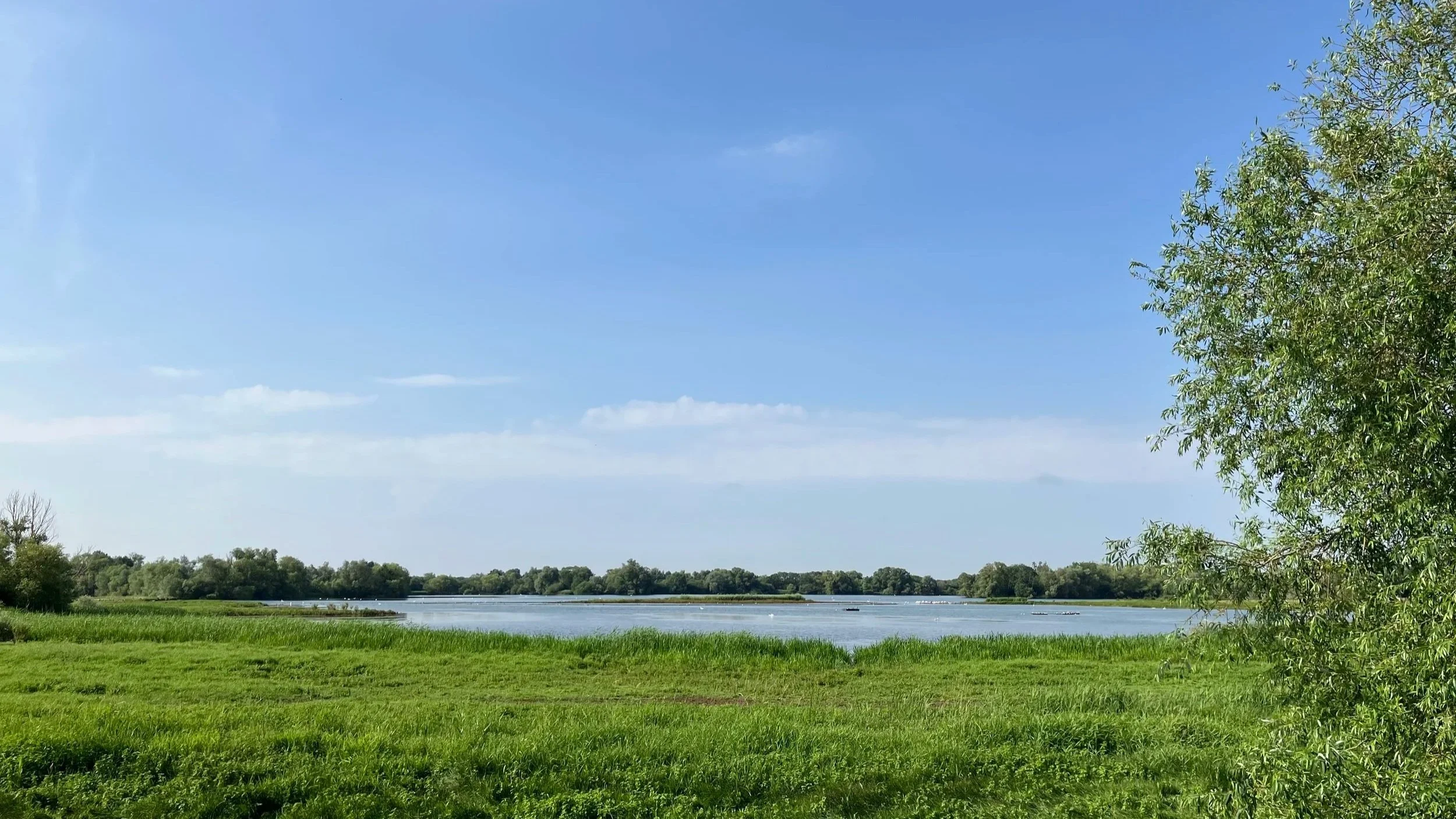
Fen Drayton is a chain of former gravel pits beside riverside meadows. Open water, shallow bays, reed margins, grassland, scrub and woodland create a varied wetland mosaic, with winter wildfowl and Hobbies over the lakes in summer. Its scale rewards choosing one circuit rather than trying to cover every pit.
Best for: Gravel-pit birding, summer Hobbies and a flexible Great Ouse walk.
Great Ouse · Wildlife Trust reserve
Godmanchester Nature Reserve
Four former gravel pits sit among reedbed, willow, grassland and old hedges just south of the Great Ouse. Kingfishers and grebes use the water, while the margins hold songbirds and winter brings additional ducks. Connected paths allow either a compact circuit or a longer walk beside the river.
Best for: Accessible gravel-pit birding, Kingfishers and a relaxed riverside circuit.
St Neots · Council nature reserve
Paxton Pits Nature Reserve
Paxton Pits combines lakes, reedbed, riverside meadow, scrub and woodland. It is especially known for Nightingales in late spring, while Kingfishers, Cormorants, passage birds and winter wildfowl broaden the year. Listen from public paths and avoid pressing into scrub around singing birds.
Best for: Nightingales, mixed gravel-pit habitats and an approachable year-round reserve.
Western Cambridgeshire · Anglian Water
Grafham Water
Grafham's open water, bays, drawdown margins and western woods can hold grebes, Coots and diving ducks in substantial numbers. Falling levels sometimes create feeding edges for passage waders, while scrub and woodland add smaller birds. The reservoir's scale makes a telescope useful.
Best for: Reservoir birding, winter wildfowl and wide open-water scanning.
Ancient and restored fens
Top ↑Surviving remnants of undrained fen beside ambitious new wetlands reconnecting a fragmented landscape.
East Cambridgeshire · National Trust
Wicken Fen National Nature Reserve
Wicken Fen preserves a fragment of ancient sedge fen and opens into a much larger restored landscape of reedbed, wet grassland and grazing marsh. The historic boardwalk reveals the enclosed detail of the old fen; longer trails show the scale of the continuing landscape project.
Best for: Ancient fen, wetland restoration and combining a boardwalk with longer trails.
Wicken landscape · Independent reserve
Kingfishers Bridge Nature Reserve
Kingfishers Bridge was created from arable farmland beside the River Cam. Reedbed, shallow water, wet grassland and scrub support breeding and wintering wetland birds within a compact, deliberately made landscape. It suits a focused visit and offers a useful contrast with the older habitats at nearby Wicken Fen.
Best for: Created wetland, reedbed birds and a compact reserve visit.
Great Fen · National Nature Reserve
Woodwalton Fen National Nature Reserve
Woodwalton protects one of the last surviving fragments of the original Huntingdonshire Fens. Reedbed, sedge, open water, scrub and wet woodland sit within a low landscape being reconnected through the Great Fen. Seasonal flooding and soft ground shape access as well as the birds present.
Best for: Historic fen, reedbed wildlife and understanding the Great Fen project.
Great Fen · National Nature Reserve
Holme Fen National Nature Reserve
Holme Fen's birch woodland, meres, heath and remnant bog provide a marked contrast with the open reedbeds nearby. The reserve also contains the Holme Post, a stark measure of peat loss after drainage. Woodland birds, open water and fen history make this a complementary half day with Woodwalton.
Best for: Birch woodland, fen history and a contrasting Great Fen visit.
Nene and south Cambridgeshire
Top ↑Flood meadow and city-edge lakes in the north, with smaller chalk-fed fen and grassland reserves south of Cambridge.
Peterborough Fens · RSPB reserve
RSPB Nene Washes
The Nene Washes is a broad flood-storage landscape of wet grassland, ditches and seasonal water. It is nationally important for breeding Black-tailed Godwits and holds cranes, raptors, wildfowl and other waders. Water levels can transform both access and bird distribution, so current conditions matter.
Best for: Breeding Black-tailed Godwits, cranes, raptors and winter washland.
Peterborough · Nene Park
Ferry Meadows and Nene Park
Ferry Meadows brings lakes, river, wetland edges, scrub and woodland together beside Peterborough. Hides and surfaced routes make it one of the county's more accessible waterside sites, though it is also a busy country park. Breeding Sand Martins and open-water birds are among its characteristic interests.
Best for: Accessible city-edge birding, hides and Sand Martins.
Peterborough · Wildlife Trust reserve
Dogsthorpe Star Pit
This former clay pit protects reedbed, open water, scrub and rough grassland within Peterborough. Its compact urban setting makes it useful for a short visit, with reedbed birds, winter wildfowl and a broader mix of plants and insects. Follow the Wildlife Trust's current access advice.
Best for: Reedbed beside the city, winter birds and mixed natural history.
South Cambridgeshire · RSPB reserve
RSPB Fowlmere
Fowlmere is a compact chalk-stream wetland of reedbed, fen, pools and scrub. Boardwalks and hides give close views into habitats that feel enclosed compared with the open Washes, with reedbed birds and wintering waterbirds forming the core interest through the year.
Best for: A compact wetland, chalk stream and close reedbed birding.
South-east of Cambridge · Wildlife Trust reserve
Fulbourn Fen
Fulbourn Fen combines grassland, wet meadow, chalk-fed fen and woodland on the edge of the village. It is smaller and quieter than the major washlands, rewarding attention to habitat transitions, spring flowers and local bird activity rather than long-range scanning.
Best for: Chalk-fed fen, spring flowers and quiet local birding.