

Radius & Flyway · The journal
British birding, examined closely
Independent writing on bird identification, fieldcraft, migration, ecology and conservation, grounded in evidence and direct observation.
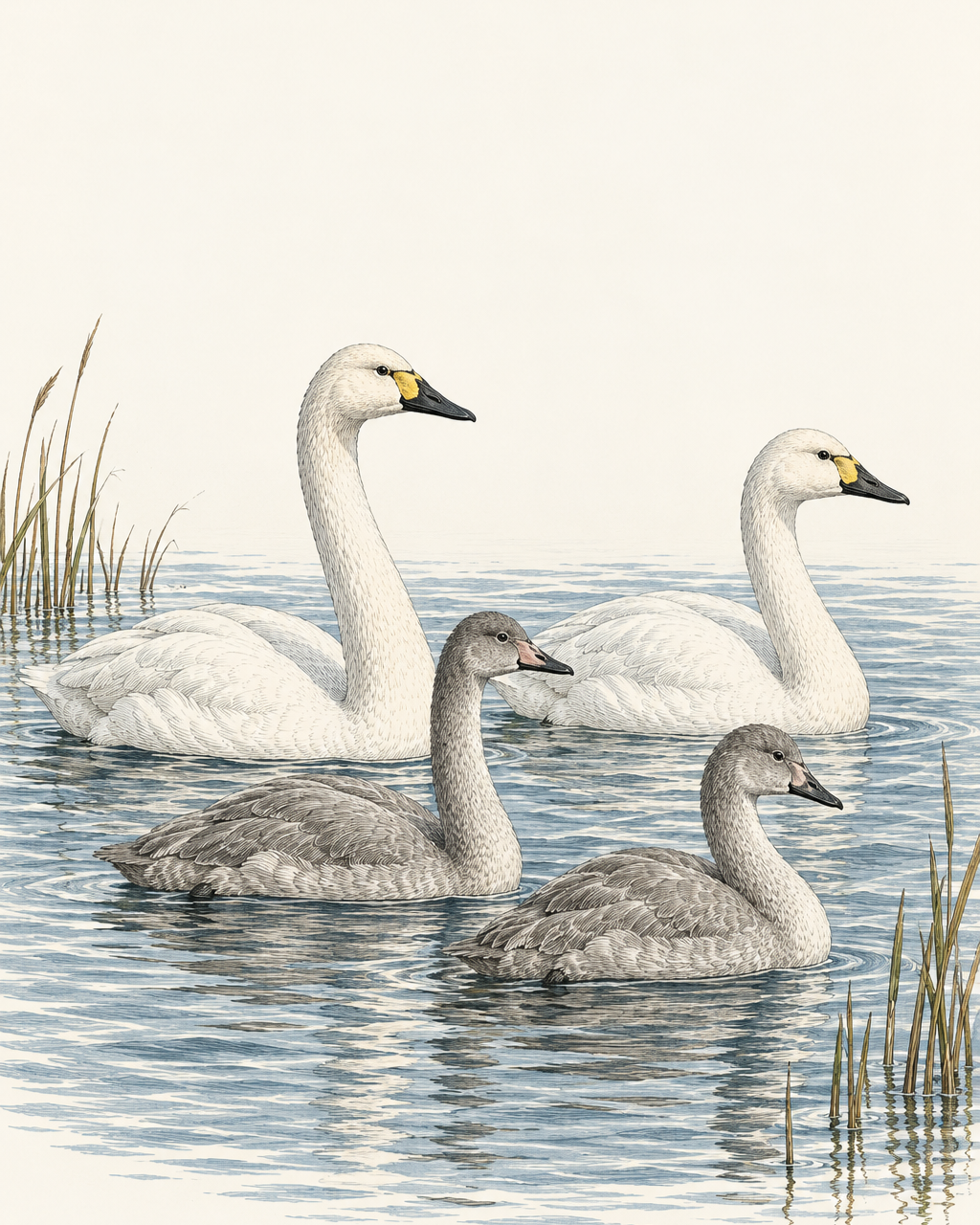
Selected for autumn · Fieldcraft
Whooper vs Bewick’s Swan: how to tell them apart
Compare bill patterns, size, structure, calls and family groups to separate Britain’s two visiting wild swans.
Read the identification guide →Latest articles
17 articles shown
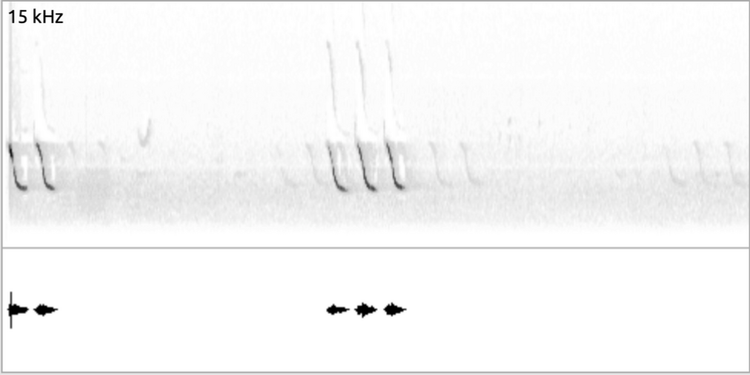
How to use Xeno-canto for bird sound identification
Find recordings, compare calls and use the archive without treating a sound match as proof by itself.
Read article →
UK thrush identification
Separate Song Thrush, Mistle Thrush, Redwing and Fieldfare using structure, plumage, voice and behaviour.
Read article →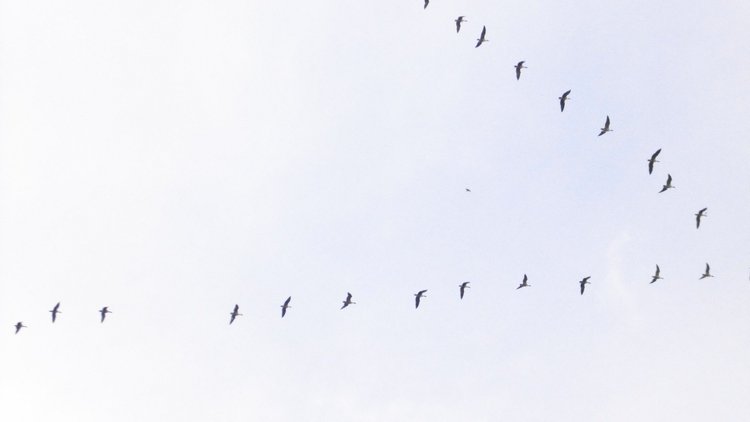
Pink-footed Goose migration in Britain
How autumn arrivals, regional movements and daily feeding flights shape the spectacle seen in Britain.
Read article →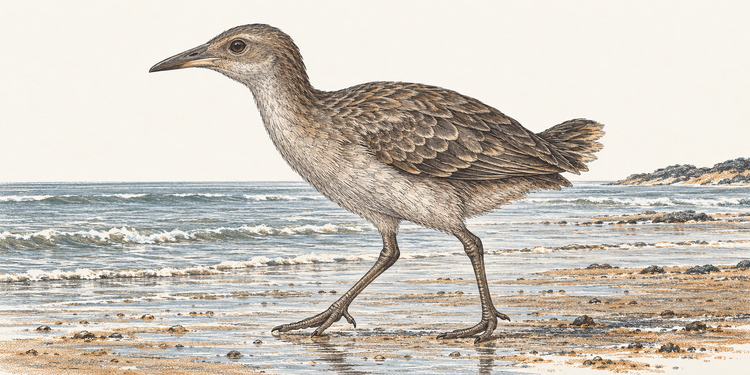
Wonderchicken and the origins of modern birds
What a small Late Cretaceous fossil reveals about the beginnings of familiar modern bird groups.
Read article →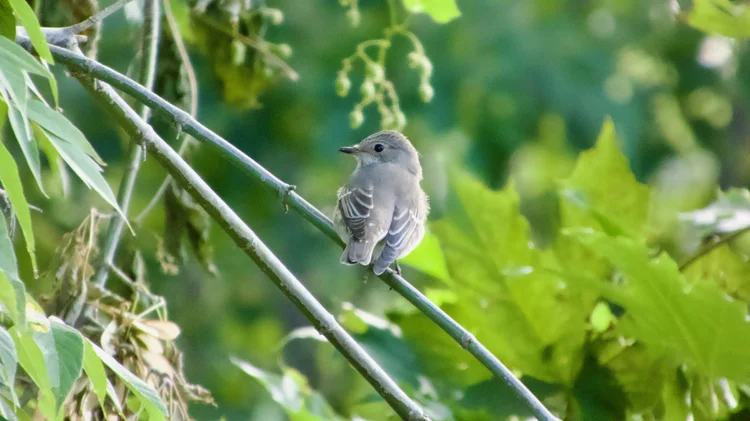
Photography as field evidence
A young Spotted Flycatcher shows how photographs can preserve useful features and expose uncertainty.
Read article →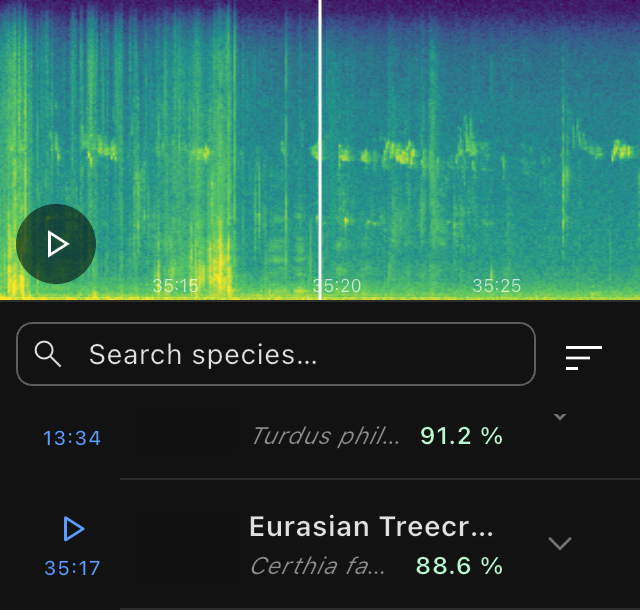
BirdNET Live review
A field test of continuous sound identification, confidence scores, battery use and false detections.
Read article →
Tree Sparrow vs House Sparrow
Compare head pattern, cheek spot, crown, sex and age to identify Britain’s two familiar sparrows.
Read article →
Can you trust Merlin Sound ID?
Use range, habitat, repetition and your own hearing to decide which automated suggestions deserve confidence.
Read article →
North Norfolk birding in autumn
A practical long-weekend route through the coast’s main habitats, with time left for weather and migration.
Read article →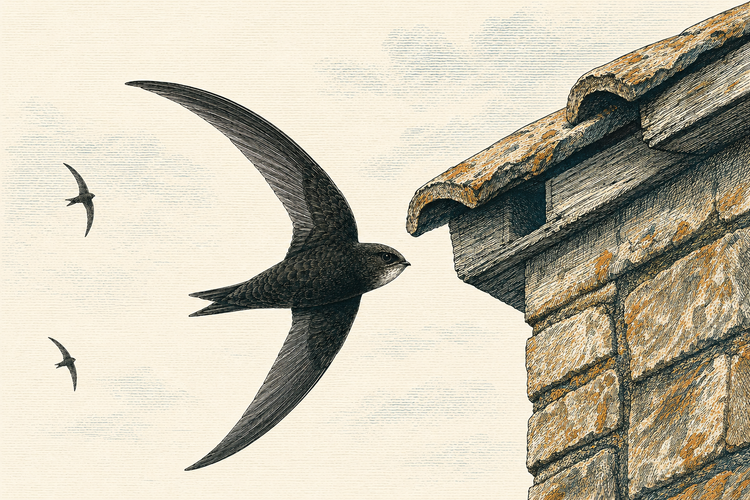
Why Swifts fly at nesting walls
The close passes and screaming parties around buildings are part of how Swifts inspect and advertise nest sites.
Read article →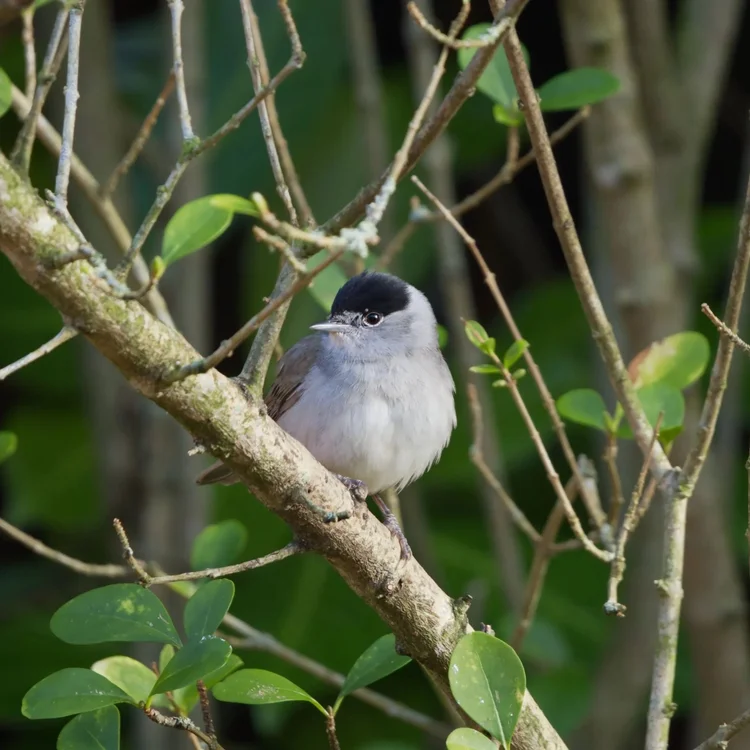
Why Blackcaps now spend winter in Britain
A distinct migration strategy links central European breeding grounds with British gardens and milder winters.
Read article →
Why do birds sing at dawn?
Light, sound transmission, feeding conditions and social competition all help explain the dawn chorus.
Read article →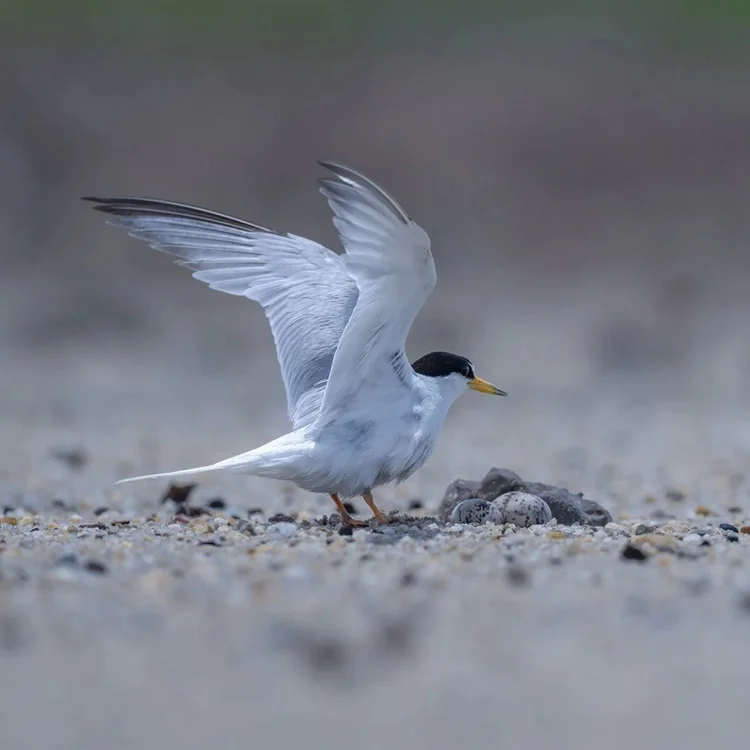
Little Terns at Blakeney Point
How wardening, fencing, visitor management and changing beach conditions affect a vulnerable colony.
Read article →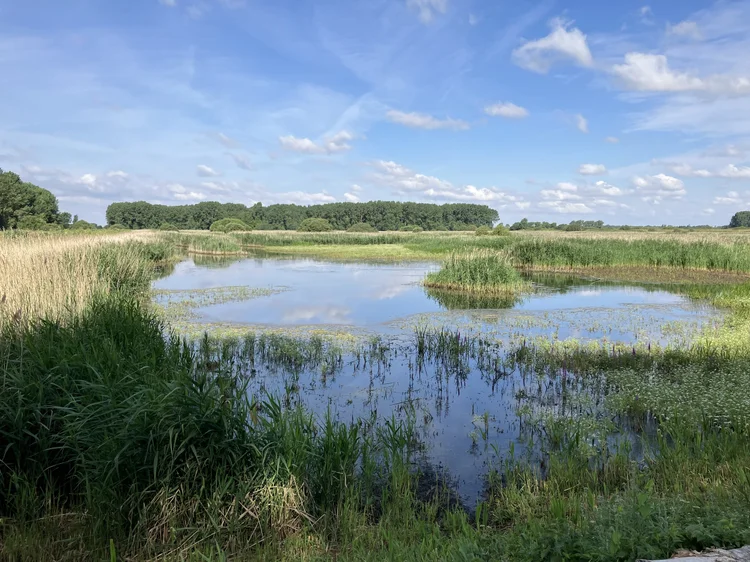
How Lakenheath Fen was created
The conversion of arable land into reedbed shows what planned habitat creation can achieve at landscape scale.
Read article →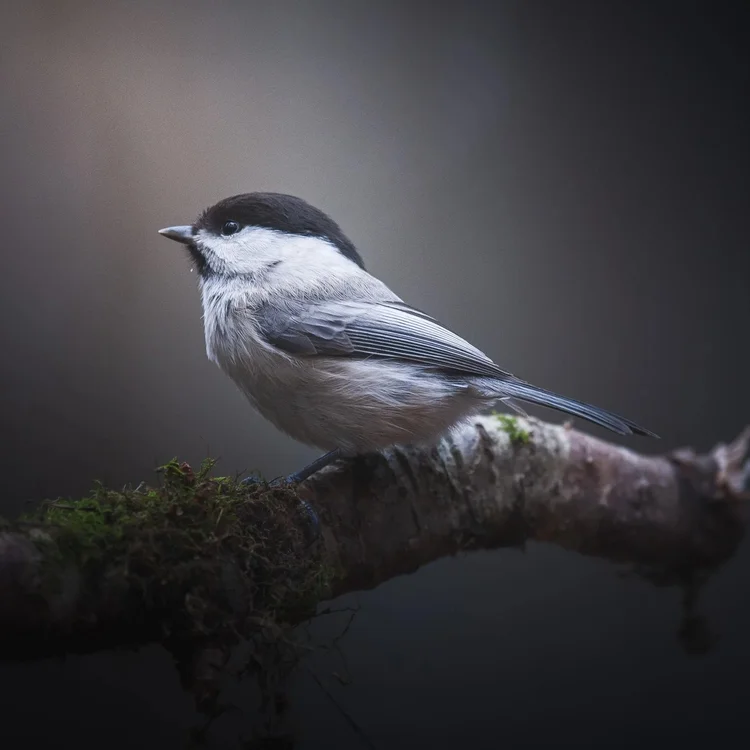
Marsh Tit or Willow Tit?
Calls carry most weight, while plumage, bill markings, habitat and range provide supporting evidence.
Read article →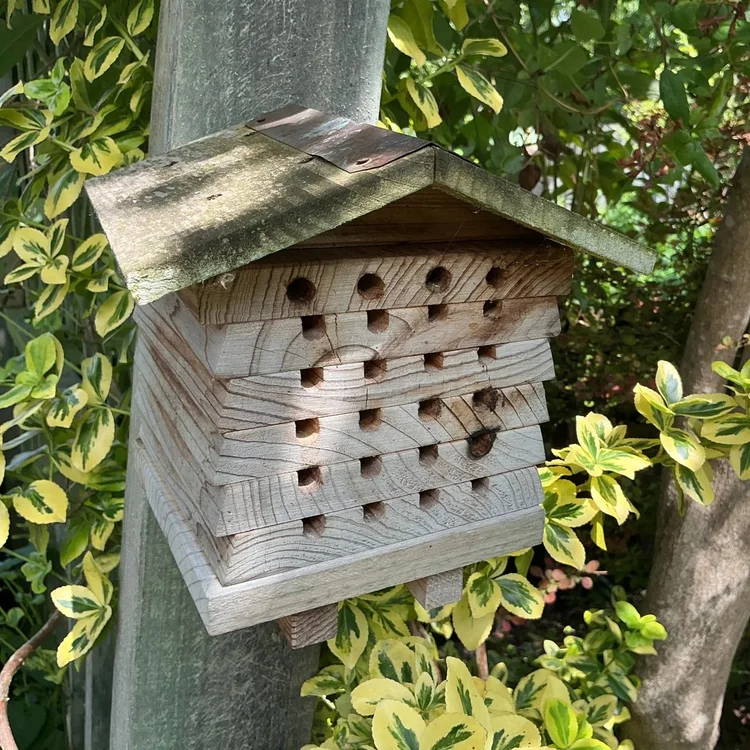
Do bug hotels really work?
Design details, siting and maintenance determine whether an insect hotel provides habitat or merely decoration.
Read article →Looking for an older post or the publication sequence? The archive keeps every article in date order.
View the chronological archive →