


Explore East Anglia

Birding in East Anglia: reserves and places

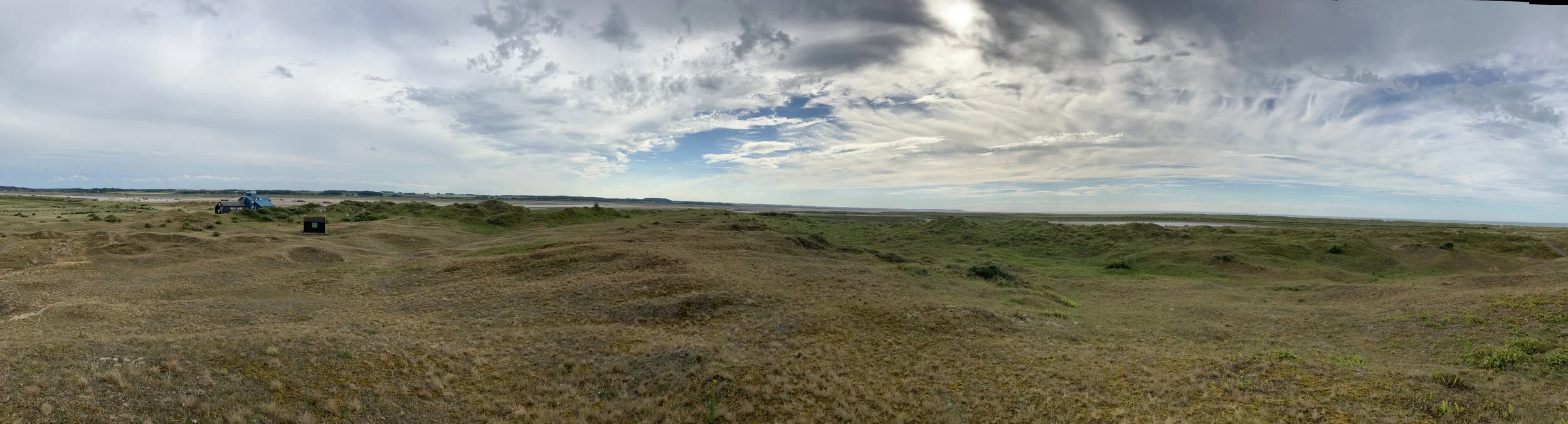
East Anglia is best understood as a set of connected landscapes, not simply a list of reserves. The Wash, north Norfolk coast, Suffolk’s reedbeds and estuaries, the Brecks and the Cambridgeshire Fens each suit different seasons, weather and kinds of birding.
Choose a county , or begin with the landscape and conditions below.

Engraved godwits flying over East Anglian mudflats, reedbeds and fenland water.

Norfolk

The Wash, north coast, Broads and Brecks make Norfolk the region's most varied birding county. Choose it for tide-led wader movements, coastal migration, reedbeds, winter wildfowl and the dry heaths and forests inland.

Norfolk reserves and birding places →

Suffolk

Suffolk's coast brings reedbed, heath, shingle and grazing marsh together, while the Alde–Ore, Deben and Orwell estuaries add a quieter sequence of river walls, lagoons and wintering waders. The west reaches into Breckland and the Fens.

Suffolk reserves and birding places →

Cambridgeshire

Cambridgeshire is shaped by managed water: the Ouse and Nene Washes, ancient fen, new reedbeds and former gravel pits. It is a county for watching wetlands change, from winter floods and wildfowl to summer reedbed activity.
Cambridgeshire reserves and birding places →

Plan by habitat

Choose by landscape

East Anglia changes quickly from tidal flats and exposed coast to reedbeds, dry heath and open fen. Choose the landscape that best suits the season, weather and kind of birding you have in mind.

01 / COAST

North Sea coast

Beaches, saltmarsh, freshwater lagoons and coastal woodland make this the region’s main migration corridor. Wind direction can transform an otherwise quiet day, particularly in spring and autumn.

02 / TIDAL FLATS

The Wash

Vast mudflats support internationally important numbers of waders and wildfowl. Here the tide shapes the visit: rising water gathers scattered birds into closer roosts before the flats are exposed again.

03 / REEDBEDS

The Broads

Reedbeds, grazing marsh, wet woodland and shallow water form a broad connected wetland. It is particularly rewarding for reedbed birds, winter wildfowl and birds of prey moving across the open marshes.

04 / HEATH & FOREST

The Brecks

Sandy soils, dry heath, farmland and conifer forest give the Brecks a character unlike the rest of East Anglia. Early mornings are often best, particularly when looking and listening for woodland and heathland specialists.

05 / OPEN WETLAND

The Fens

Wide skies, washes, drainage channels and restored reedbeds define the fen country. Water levels matter greatly, but the open landscape can be excellent for wildfowl, waders, raptors and visible migration.

06 / LAKES & RIVERS

Inland wetlands

Former gravel pits, reservoirs, river valleys and restored wetlands provide useful birding throughout the year. They can be especially productive when exposed coasts or dry ground are less inviting.

Let the season help choose the place

What is moving now?

Britain's migration calendar explains the broad pattern of arrivals, departures and passage, then shows how wind, coastlines and habitat can make that movement easier to notice.

Explore the British bird migration guide →

Where is worth considering this month?

The monthly almanac brings season, weather, tides and current events together. It is designed to help choose a useful day rather than promise a list of sightings.

Read the current birding almanac →

How to use the reserve guides

  • The county directories give a concise introduction to the principal reserves and established public birding places.

  • Full guides add route strategy, habitat changes and seasonal context where first-hand photographs and enough practical detail are available.

  • Access, facilities, water levels and seasonal restrictions can change. Follow the official link in each entry before travelling.