
At WWT Welney Wetland Centre, you can watch the Ouse Washes from a heated observatory and look out over Lady Fen from the visitor centre. In winter, I usually arrive in the early afternoon and stay until dusk, when Whooper Swans return from the fields to roost. Plan for about two hours to see Lady Fen and the main observatory, or three to four hours if you want to visit the outer hides and catch the afternoon swan feed.
Where to park and how to get there
The free visitor car park is at WWT Welney Wetland Centre, Hundred Foot Bank, CB6 1UG. Turn off the A1101 by the New Bedford Suspension Bridge, about two miles from Welney village. There is a separate RSPB reserve entrance at Welches Dam, near Manea. Use the WWT postcode if you are visiting the café, observatory or swan feed. WWT directions · RSPB Ouse Washes
The A1101 between Welney village and the suspension bridge sometimes closes when the washes flood. If the causeway is shut, use the A10 from Ely or Downham Market instead. WWT posts access notices at the top of its reserve page. WWT Welney access notices · Norfolk County Council flood diversion
Littleport is the closest railway station, about 7½ miles from the centre. If you plan to take a taxi, remember to book your return trip too. WWT also suggests a quieter cycle route from Downham Market station, which is just over ten miles each way. Rail and cycle directions
Where to watch birds at Welney
Start with Lady Fen
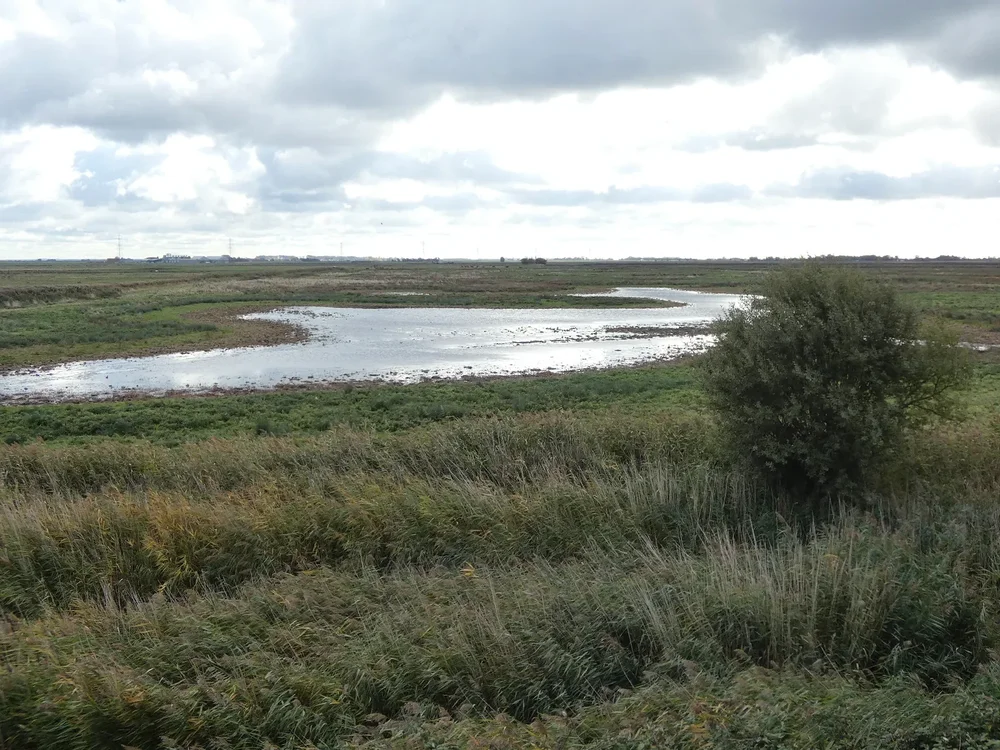
Lady Fen is on the same side of the river as the visitor centre. The willow screen and car park overlook the closer pools, while the café veranda and bridge decking offer a higher view across the grassland. Look for ducks and waders along the shallow edges, and check farther back for cranes in late summer or autumn. In winter, swans sometimes roost here if the main washes are deeply flooded.
There are 3.6 km and 4.6 km walking loops when they are open. If the loops are closed for breeding birds, cranes or wet conditions, you can still view the fen from the visitor centre. Lady Fen and its walks
Cross to the main observatory
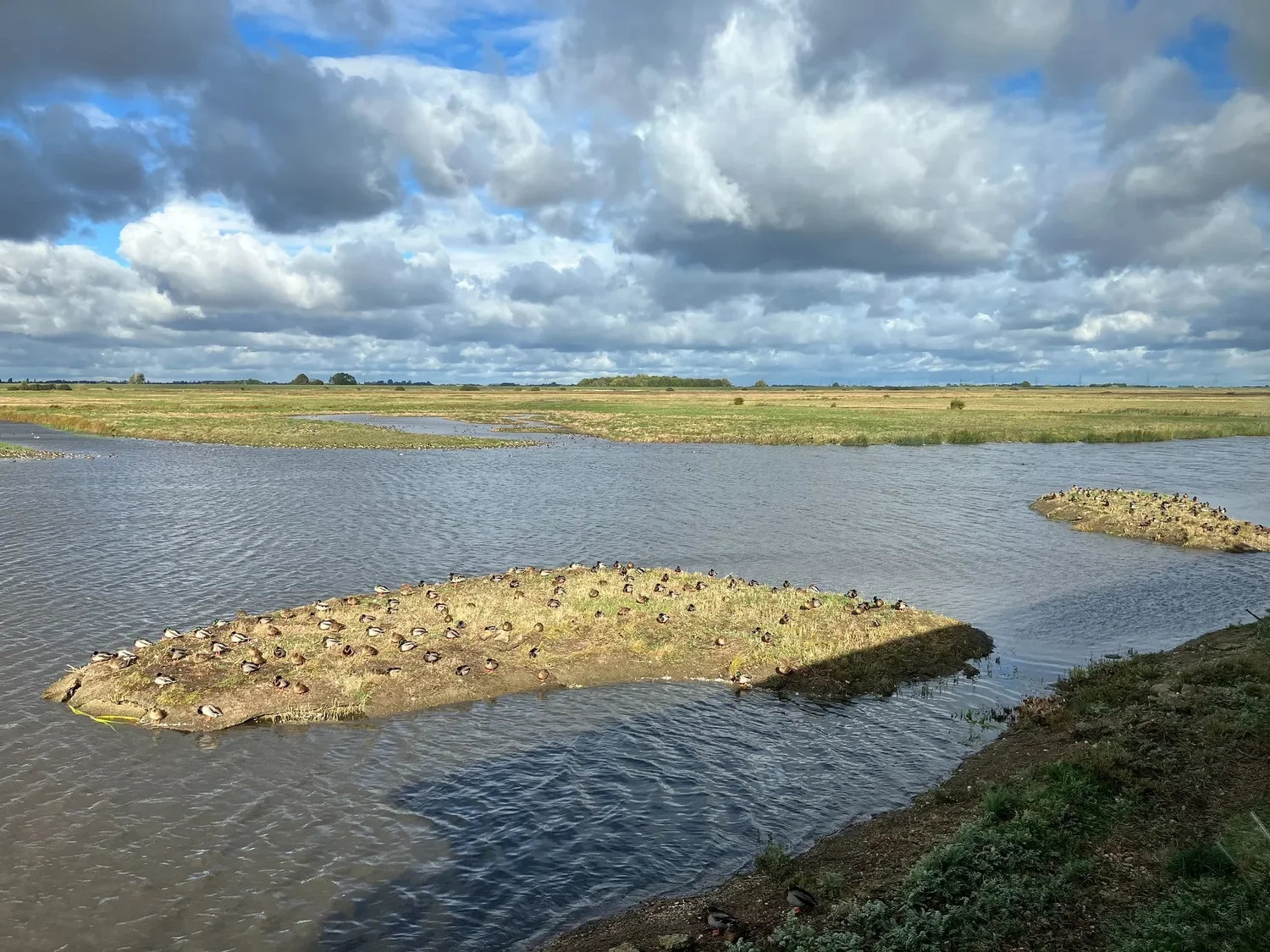
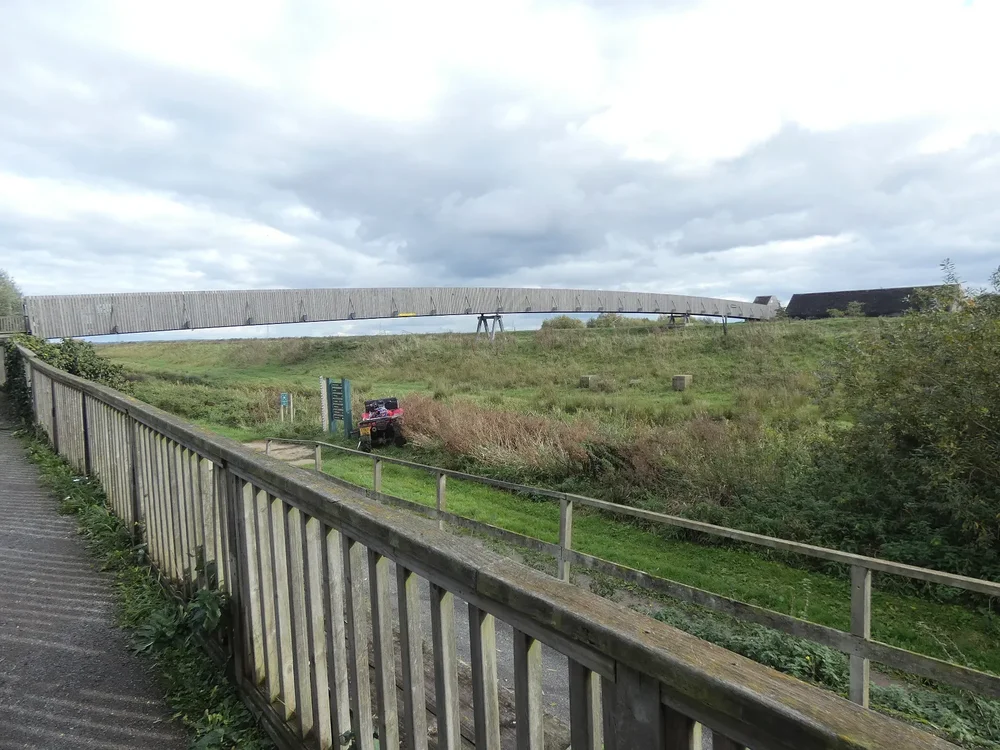
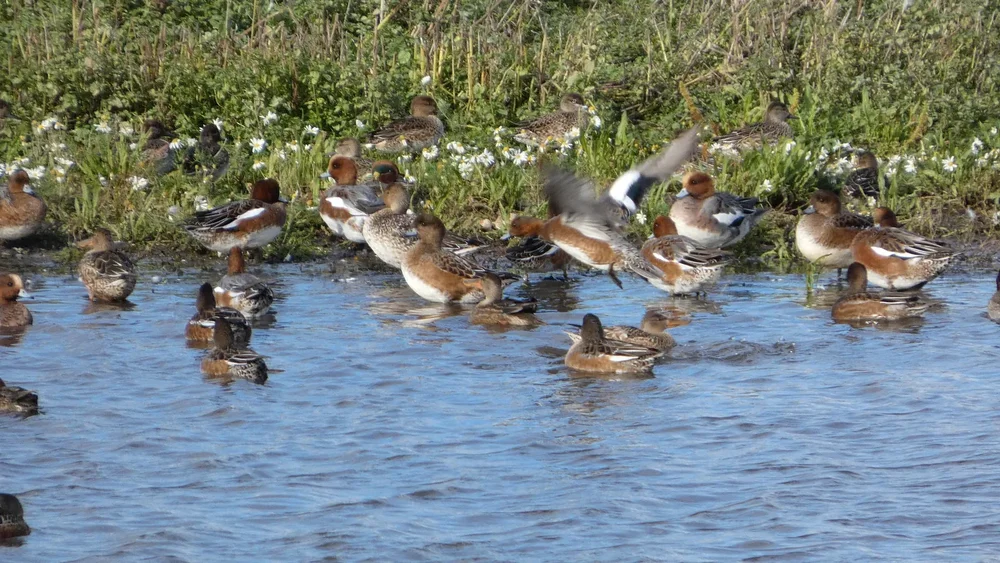
The footbridge over the New Bedford River leads to the main observatory. When I visited on 22 October 2026, Mallards were resting on the nearest island. I also photographed a mixed flock of ducks, including Wigeon, along a grassy bank. WWT’s report for that day listed Whooper Swan, Common Crane and 18 Cattle Egrets. WWT sightings for 22 October 2026
If you have time for another hide, pick one based on the water you want to see. The nearby Reedbed Hide overlooks the southern washes and reedbed. Nelson-Lyle and Lyle offer views over the middle section. Friends Hide, about 10 to 15 minutes beyond the observatory, looks over the northern end, where exposed margins are often good for waders. When water levels are high, sometimes only the main observatory is open. WWT hide guide · Latest sightings and access updates
Best time to visit for swans and other birds
Winter is the best season for swans. Many Whoopers feed on nearby farmland during the day and return to the washes at dusk. From the main lagoon, you see only part of that movement. On 20 January 2026, a dawn count across the Ouse Washes found 7,922 Whooper Swans and 265 Bewick’s Swans. If you are hoping to see Bewick’s, check recent sightings and look carefully among the Whoopers. WWT January swan count · Whooper and Bewick’s Swan identification
For winter 2026 to 2027, there is a daily feed at 3.30pm from 1 November to 28 February, except on Christmas Day. The 6.30pm floodlit feed happens on Saturdays from 14 November to 20 February. Both feeds are at the main observatory and included in reserve admission. You do not need to book a separate seat to attend. WWT asks visitors to arrive half an hour before the feed. Afternoon swan feed · Saturday floodlit feed
In spring, you can see Lapwings and Redshanks displaying, as well as Avocets and sometimes Garganey. Summer is a good time to watch adults with their young and to spot dragonflies along the ditches. By late summer and autumn, look for passage waders on shallow scrapes and Common Cranes gathering on and around Lady Fen. Wigeon, Teal and other winter ducks increase in number through autumn. WWT’s seasonal wildlife guide
The washes hold floodwater along about 30 km of the Fens. In winter, this water creates good roosting habitat, but if the washes flood in spring, it can cover nests. Between 2007 and 2013, WWT converted arable fields at Lady Fen into wet grassland. This added shallow water and breeding habitat outside the main washes, and Lady Fen later became the main release site for Black-tailed Godwit chicks raised through Project Godwit. Environment Agency on the Ouse Washes · Lady Fen habitat · Project Godwit
Accessibility, opening times and food
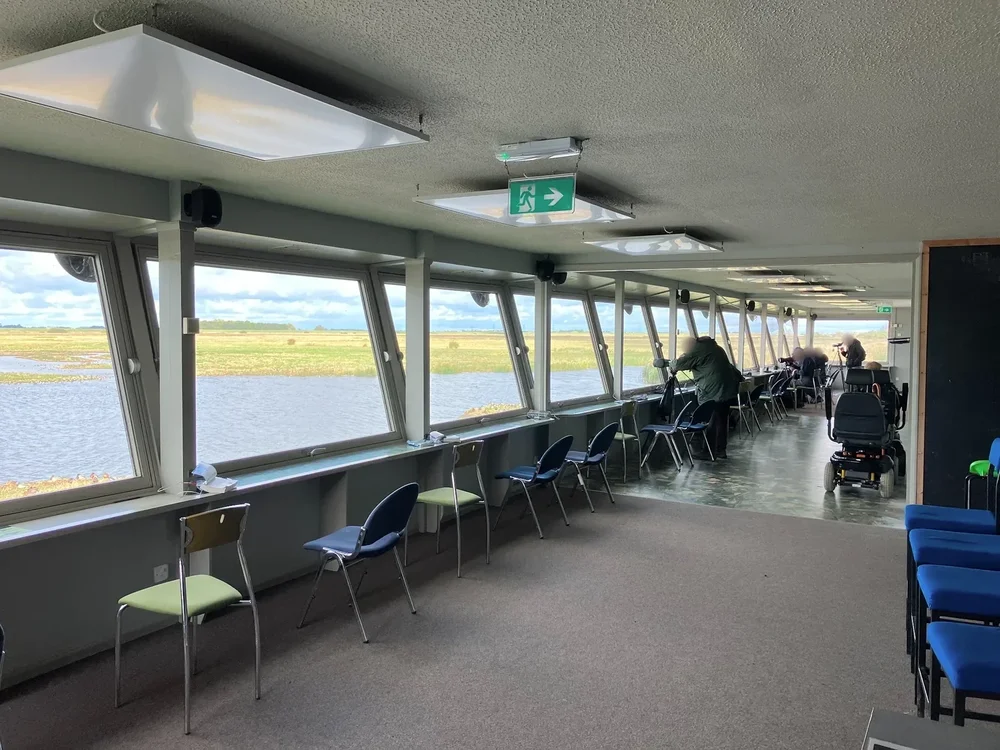
For a short, step-free visit, use the visitor centre lift and cross the bridge to the heated main observatory. The observatory has seating, large viewing windows and a hearing loop for commentary. WWT provides three accessible parking spaces, two accessible toilets, loan wheelchairs and bookable mobility scooters. The lifts are too small for Tramper scooters. Reedbed, Nelson-Lyle, Lyle and Friends are also accessible when their paths are open. If you need a specific route or want to borrow equipment, call 01353 860711 before you travel. Trained assistance dogs are welcome. WWT accessibility · Access by hide
The centre is usually open from 9.30am to 5pm, with last admission at 4pm and later opening on winter Saturdays. Adult walk-up admission was £6.75 without Gift Aid when checked in November 2026. The centre is closed on Christmas Day. Opening times · Current admission prices
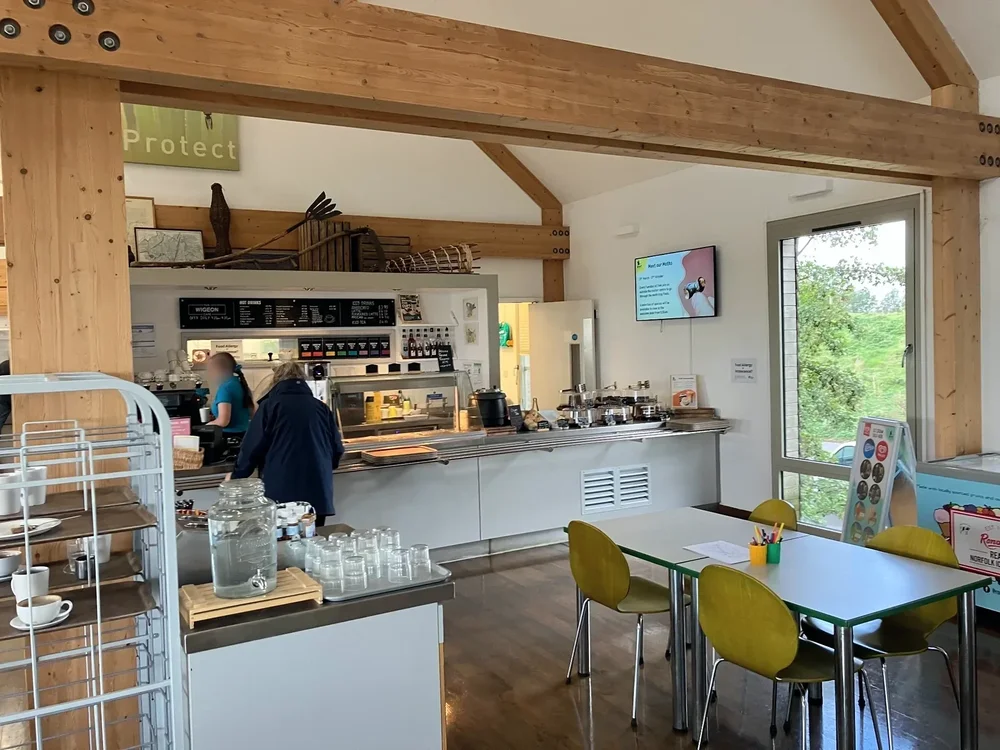
The Wigeon Café is upstairs in the visitor centre and has a veranda with views over Lady Fen. You can visit the café and shop without paying for reserve entry. Hot lunches and snacks are available, but meals finish at 3pm, so plan to eat before the afternoon feed if you want something hot. For a pub meal, the Lamb & Flag is in Welney village. Remember to allow extra time if the wash road is closed. Wigeon Café · Lamb & Flag
Visitor information checked 17 November 2026.