
Kelling is a useful place for birdwatching, east of Salthouse, bringing pools, wet grassland, migrant cover and the sea into a compact area. It works well as a second stop during a day at Cley, or as an outing when you don't have time for a full day on a larger reserve.
Spend most of your time at the beach, taking in the views across the Quags and the bushes around Kelling Hard. Meadow Lane lets you check the Water Meadow pool and its hedges from Kelling village. This guide covers the coast and the land north of the A149.
Allow about two hours for the wetland, Kelling Hard and a short watch beside the camp fence, including birding stops. Add time for a longer beach walk or a coastal approach from Salthouse or Weybourne.
Finding your way around Kelling
There are several distinct places here, and it's worth separating them before choosing your route.
| Area | Character | What to check |
|---|---|---|
| Kelling Water Meadow | A pool and surrounding grazing land, approached along Meadow Lane | The water, any exposed margins and the hedges along the approach |
| The Quags | Wet ground between the pool and the shingle | Looking inland from the coastal side and scanning the vegetation edges |
| Kelling Hard | The coastal area in front of the Muckleburgh Collection | The sea, beach and nearby bushes |
Cley Bird Club’s Kelling guide describes the coastal approaches from Kelling village along Meadow Lane and from Salthouse along the beach or the western branch of Meadow Lane. These give different ways into the same group of coastal habitats.
Kelling village is a useful starting point if you arrive by bus. Salthouse gives a longer approach along the shingle, with the opportunity to check Gramborough Hill on the way. Weybourne has a formal beach car park for an approach from the east.
Where to watch: four useful positions
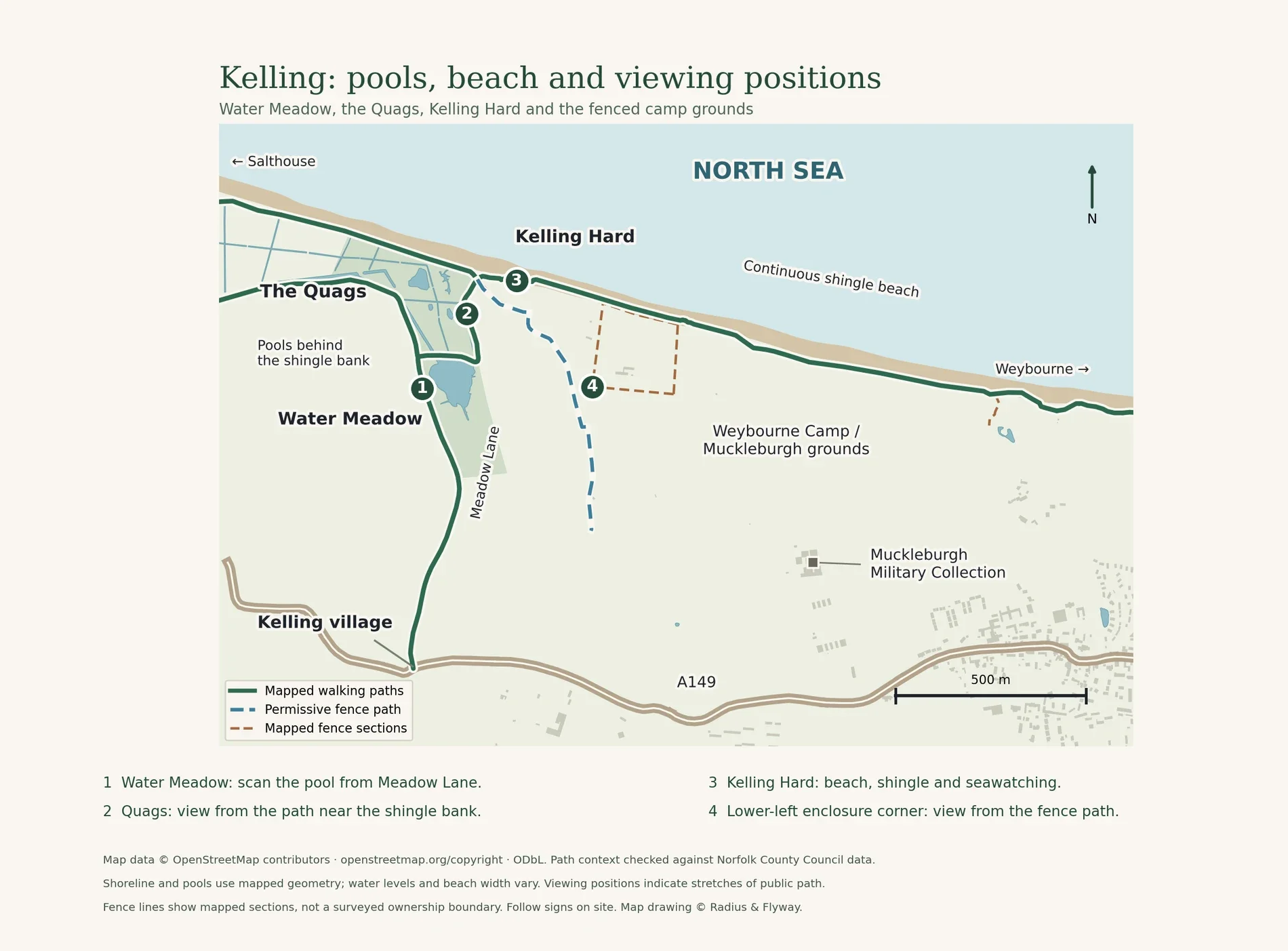
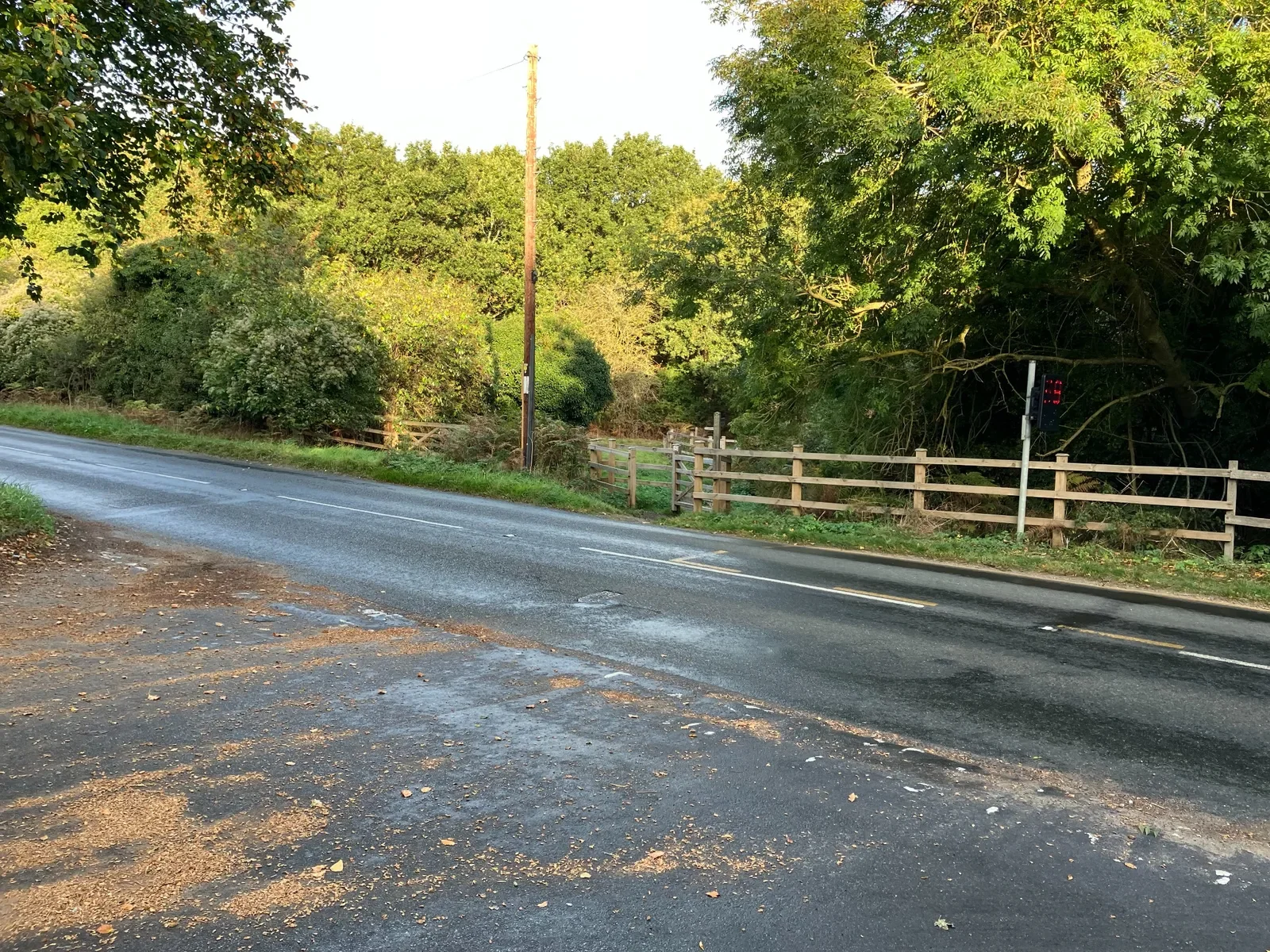
From Kelling village, follow Meadow Lane north towards the coast. The first two stops cover the wetland, position 3 is by the beach, and position 4 is beside the fence-following path.
1. Water Meadow pool, from Meadow Lane. Stop on the public lane beside the main pool and look east across the water. Scan the near margins first, then the far bank and adjoining grass. A short move along the lane changes the angle into vegetation that can conceal feeding birds.
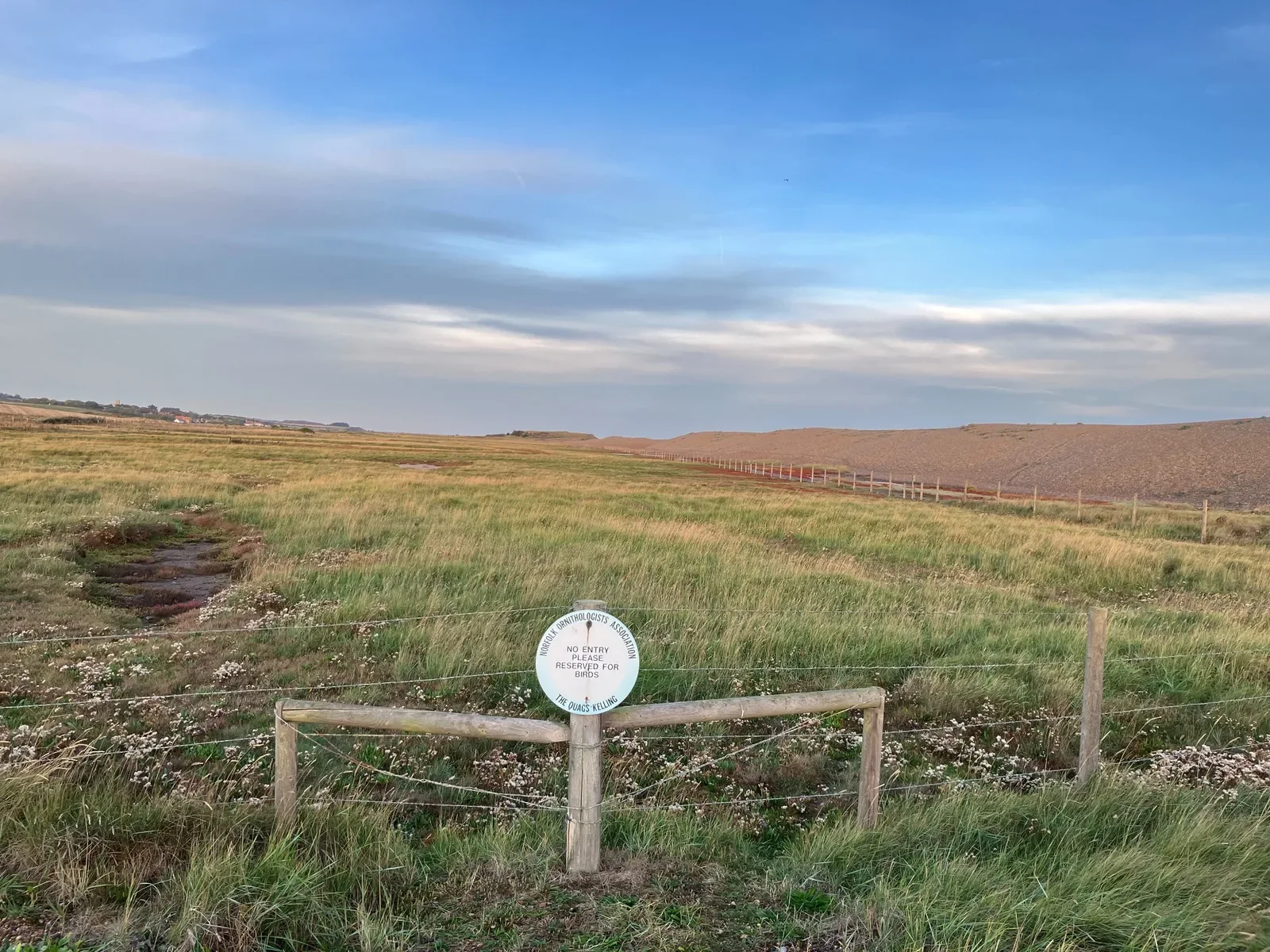
2. The Quags, near the shingle bank. Continue around the eastern side of the wetland towards the bank. From the public path near its northern end, look west and northwest across the Quags pools and wet hollows. Scan the open water, muddy edges and patches of low vegetation from outside the fence.
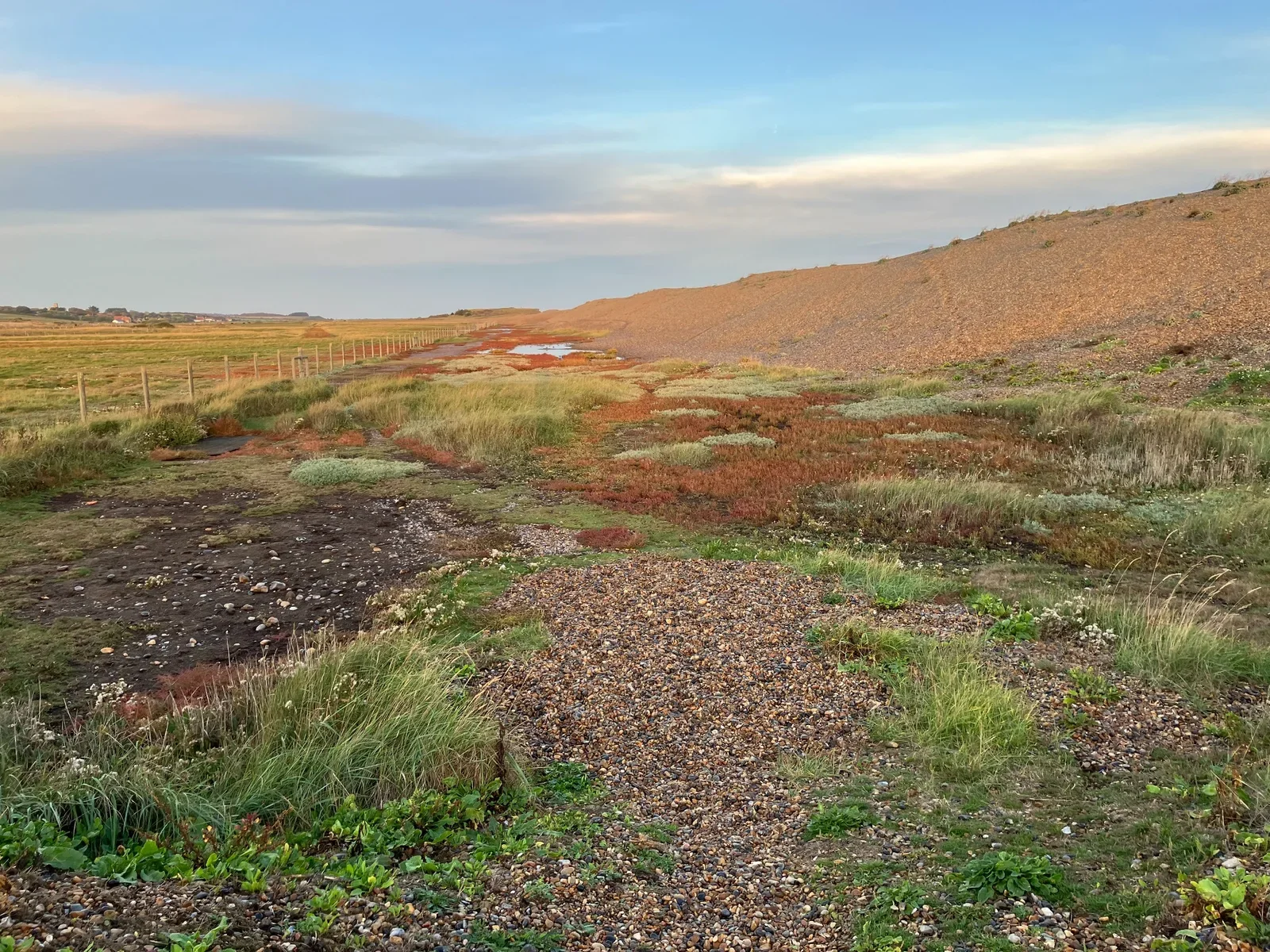
3. Kelling Hard and the public shingle. Where the approach reaches the coast, pause for a seawatch. Turn landward as well: the back of the shingle bank, pool margins and nearby bushes offer a different view from the inland lane.
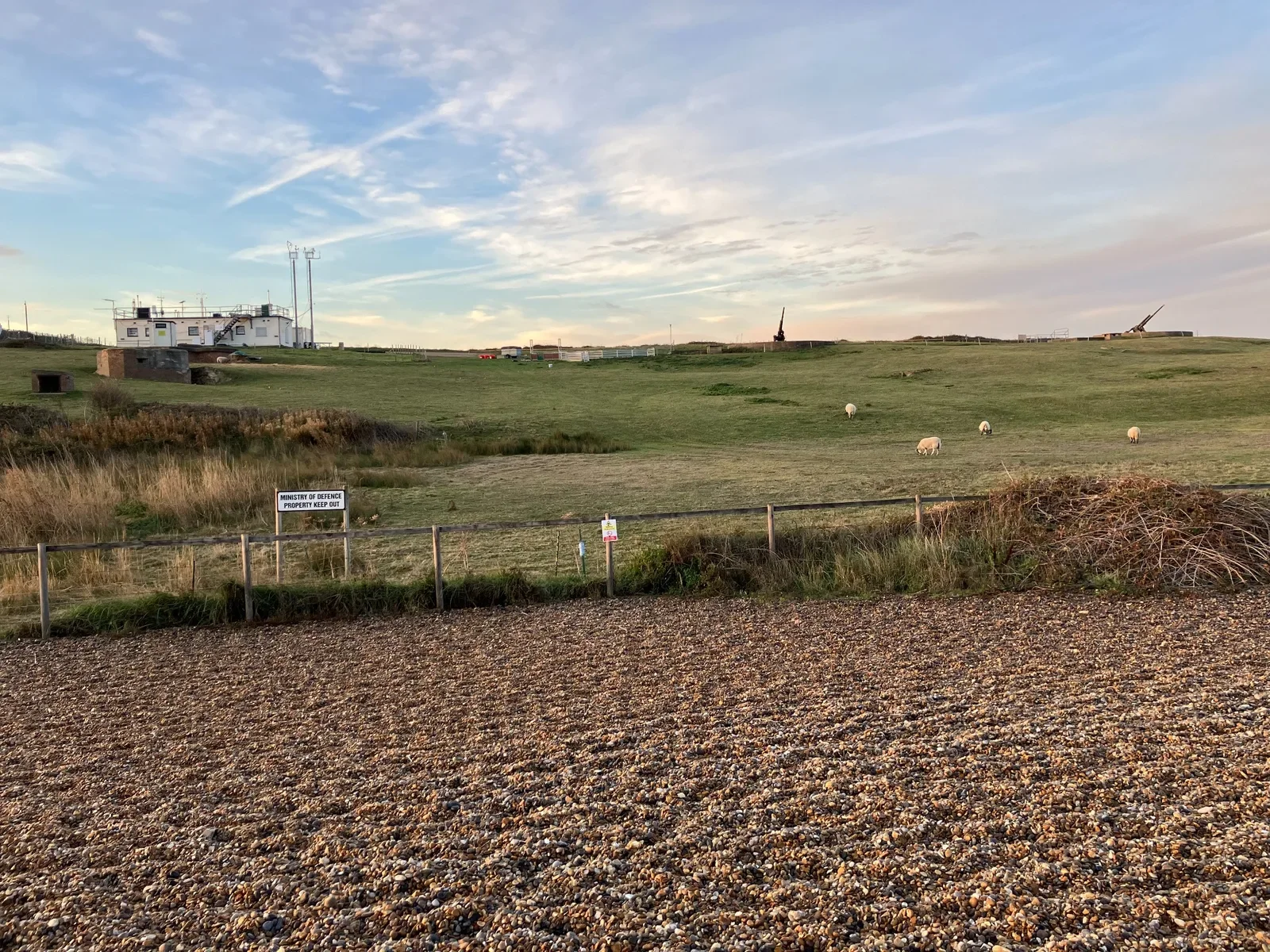
4. The south-west corner of the fenced enclosure. From the path following the western fence, pause opposite the small enclosure’s south-west corner. Look through the fence across the grass, around the old emplacements and into the scattered bushes. The area is fenced off, but you can watch birds through the fence from the public path.
The Muckleburgh Military Collection is a military museum on the former Weybourne Camp site, inland of this frontage. Its visitor entrance is separate from the coastal birding route.
Birds to look for
From autumn through winter, check the pools first for Wigeon, Teal, Mallard and Shoveler; Gadwall and Shelduck also occur. Wet margins and adjacent grass can hold Curlew, Redshank, Snipe and Little Egret. Water levels matter: exposed mud creates feeding space for waders, while a largely dry pool changes the balance of birds to look for. Local field reports describe this mixture of ducks on the pools and smaller birds in the surrounding grass and hedges.
Along Meadow Lane, check the hedges as well as the wetland. Chiffchaff, Blackcap and Whitethroat give the walk much of its spring and early-summer interest. In autumn, the same cover can shelter passing warblers and thrushes. Open grass, fence posts, and low bushes are places to check for Stonechat, Linnet, Meadow Pipit, and Pied Wagtail; Wheatear is a passage bird to look for in spring and autumn.
Jack Snipe is a local speciality, particularly in autumn and winter, but its secretive behaviour makes it a difficult daylight target. The Norfolk Ornithologists’ Association’s monitoring work confirms the importance of its Kelling land for this species. Watch suitable wet edges from the paths and leave the enclosed wetland undisturbed.
Spring and autumn also bring the possibility of a rarity. Recent examples include a drake American Wigeon at Kelling on 17 April 2025 and an Isabelline Wheatear on the Quags on 31 October 2026. These are occasional finds, but they help explain Kelling’s appeal as a final stop after a day at Cley: the pool, wet margins and coastal bushes are worth one more check for something unexpected.
Seawatching from Kelling Hard
Kelling Hard is an established seawatching point. Gannets, Cormorants and gulls provide a starting point offshore. In autumn and winter, look for Red-throated Divers, Common Scoters and auks, either passing or resting on the sea. Many birds pass at a distance, so a telescope is useful.
A short watch fits easily into the wetland walk. For a day focused chiefly on seabirds, compare the viewpoints in the Sheringham seawatching guide.
Choosing a season
| Season | Main interest |
|---|---|
| Spring | Singing warblers in Meadow Lane, passage Wheatears and waders when pool margins are suitable |
| Summer | Whitethroats and other birds in the hedges and scrub; the pools depend on remaining water |
| Autumn | Passage birds in the bushes and on the open grass, incoming ducks and waders, and movements offshore |
| Winter | Wigeon, Teal and other wildfowl, Snipe and wetland-edge birds, with divers and sea ducks offshore |
This overview draws on local site records and wetland surveys. Check Cley Bird Club’s wildlife news for recent reports before deciding how to divide your time.
Parking and buses
Cley Bird Club’s Kelling guide identifies no dedicated coastal car park. Village roadside space is limited, and some streets are residential, so don't rely on finding a convenient place to leave a car.
| Starting point | What it offers | What to allow for |
|---|---|---|
| Kelling Cross, by bus | Access from the village towards Meadow Lane and the coastal wetland | Plan the return around the current timetable |
| Weybourne Beach Road car park, NR25 7SR | A council-listed paid car park for a coastal approach from the east | The walk west to Kelling adds distance; check current charges with the council |
| Salthouse Beach Road | An approach east along the coast, including Gramborough Hill | Limited roadside spaces and a longer coastal walk |
The coast is exposed, and the shingle is loose underfoot. Meadow Lane offers an approach to the pool without walking the full length of the beach; check conditions after wet weather.
The council’s car-park information identifies the formal parking at Weybourne. The former Salthouse beach car park was lost in the 2013 surge; older directions that still send visitors there are out of date. For the different starting points farther west, see the Cley and Salthouse Marshes guide.
The Coasthopper CH1 serves Kelling Cross, Salthouse Green, Cley, Weybourne and Sheringham. It makes a coastal visit possible without relying on village parking and can support a one-way walk if the day’s timetable fits. Check the operator’s current service rather than assuming the same frequency year-round.
For a longer walk along this coast, see the separate account of a Cley to Salthouse and Kelling Quags birding walk.
Practical information checked: 8 November 2026.