
The Norfolk directory
Where to watch birds in Norfolk
Norfolk’s birding extends well beyond its largest reserves. This independently edited directory covers the tidal Wash, the North Norfolk coast, the Broads, Breckland and quieter local sites, helping you choose a place by habitat, season and the kind of birding you want. Each entry links to the managing organisation or another dependable visitor source for current access information.
Links and practical information reviewed .
The Wash and west Norfolk
Top ↑Mudflats, lagoons, dunes, heath and mire, including the county’s most tide-dependent birding.
The Wash · RSPB reserve
RSPB Snettisham
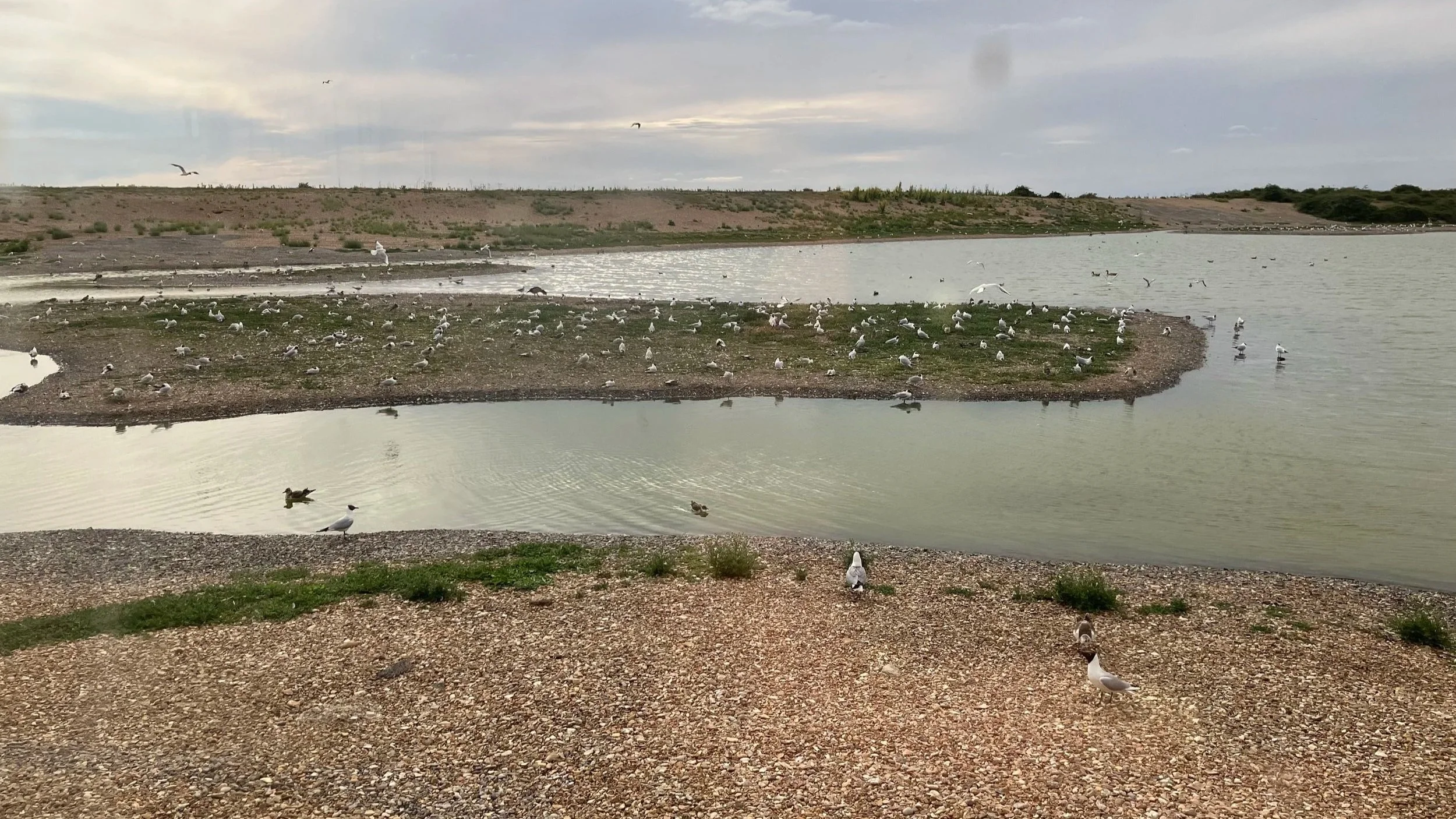
Snettisham faces the immense intertidal mudflats of The Wash, with brackish lagoons behind the sea wall. The celebrated wader movements occur only when sufficiently high tides coincide with large numbers of birds, while winter brings Pink-footed Geese and other wildfowl. Allow for the long walk and check the RSPB’s selected spectacle dates before planning around the tide.
Best for: High-tide wader movement, winter geese and the scale of The Wash.
North-west coast · RSPB reserve
RSPB Titchwell Marsh
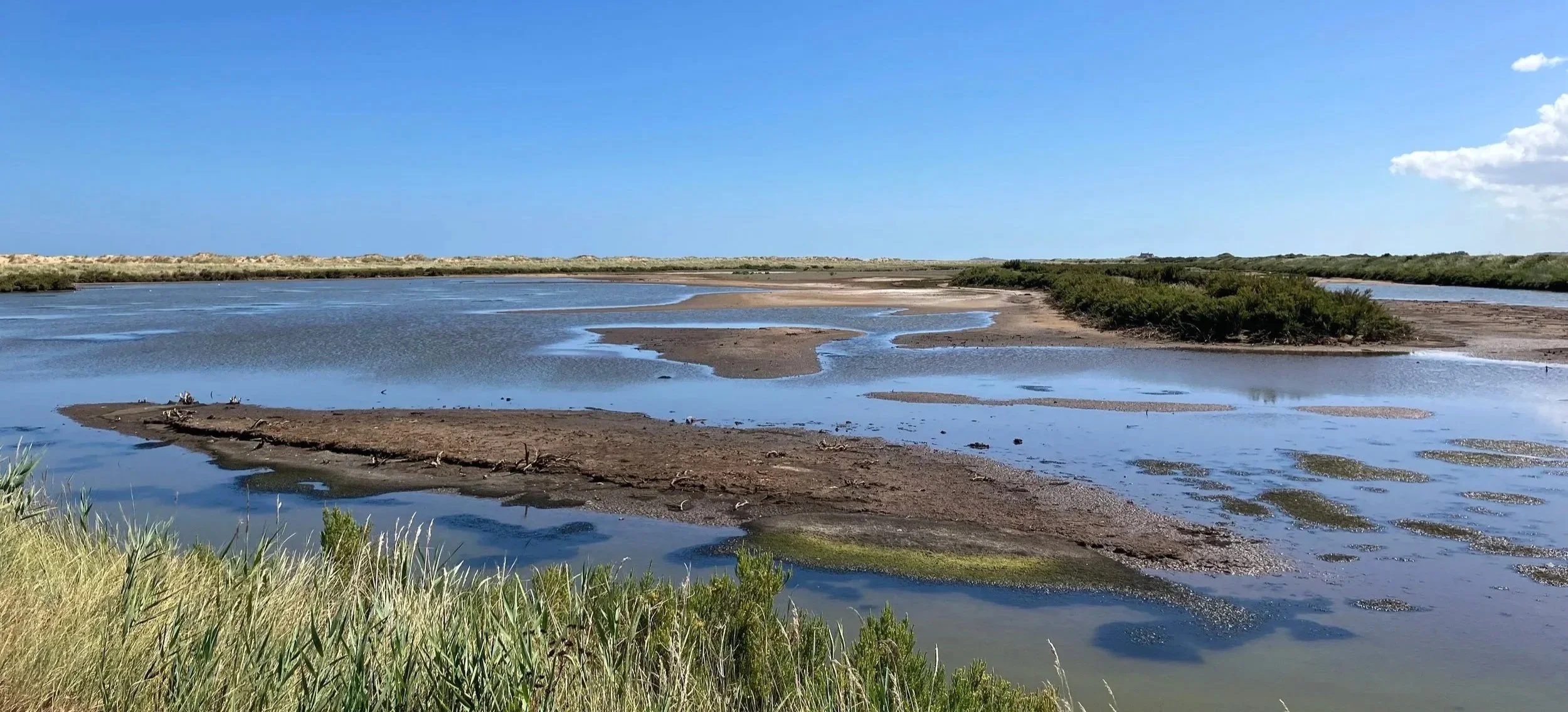
Titchwell’s main path passes woodland, reedbed, freshwater pools, saltmarsh and beach, allowing several distinct bird communities to be watched without a complicated circuit. Spring and autumn bring the broadest variety; winter favours waders, wildfowl and raptors. Its visitor centre, hides and surfaced sections also make it one of the easier major Norfolk reserves to approach.
Best for: Varied coastal habitats, an uncomplicated day and accessible birding.
North-west coast · NWT reserve
NWT Holme Dunes
Holme sits where the Norfolk coast turns into The Wash. Dunes, grazing marsh, scrub, pools and beach place it well for migration, while winter adds coastal waders and wildfowl. The neighbouring Holme Bird Observatory is separately managed and gives the area additional value for anyone interested in migration monitoring and bird ringing.
Best for: Coastal migration, dunes and combining a reserve with a bird observatory.
Holme · NOA reserve
Redwell Marsh
Redwell is a compact coastal wetland of scrapes, ditches, pasture and freshwater springs. Water levels change markedly through the year, but suitable margins can attract waders, while wildfowl, Barn Owls and migrants add interest. The public byway gives views along the reserve boundary; the dedicated hide requires an NOA members’ key.
Best for: A quieter wetland stop, passage waders and combining with Holme.
West Norfolk · National Nature Reserve
Dersingham Bog
Dersingham Bog protects acid valley mire, lowland heath and woodland on the edge of the Sandringham estate. It provides a quieter inland contrast to the Wash reserves and is strongest for heath and woodland birding from spring into summer. The habitat is the principal attraction, with the changing transition from dry heath to wet mire making the walk worthwhile beyond any target species.
Best for: Heathland, woodland and one of East Anglia’s important valley mires.
West Norfolk · NWT reserve
NWT Roydon Common
Roydon Common combines dry heath, acid bog, wet carr woodland and grassland west of King’s Lynn. It is a walking landscape rather than a hide-led reserve. Woodlark and Nightjar are associated with the managed heath, while the wetter ground broadens the site’s plants, insects and birdlife. Quiet visits at the beginning or end of the day are often the most productive.
Best for: Heathland birds, mixed habitats and a quieter half-day walk.
North Norfolk coast
Top ↑Grazing marsh, saltmarsh, shingle, dunes, woodland and seawatching along a closely watched migration coast.
Central coast · National Nature Reserve
Holkham NNR and Wells Woods
Holkham is a landscape rather than a single circuit. Grazing marsh, saltmarsh, dunes, beach, pine belt and Wells Woods support winter wildfowl, breeding marsh birds and autumn migrant searches. Distances become substantial when several habitats are combined, so a focused half day can be more productive than trying to cover the entire reserve.
Best for: Winter geese, autumn migration, coastal woodland and long-form birding.
Central coast · Public route
Burnham Overy Marshes and Dunes
The raised bank from Burnham Overy Staithe crosses grazing marsh and saltmarsh before reaching the dunes at Gun Hill. Spring and autumn can bring grounded passerines, visible movement and birds of prey, while the marshes remain useful in winter. The route is long and exposed, and the walk through changing habitats is as important as the migrant cover at its seaward end.
Best for: A long coastal walk, migration and combining marshes with dune cover.
Central coast · National Trust
Blakeney National Nature Reserve
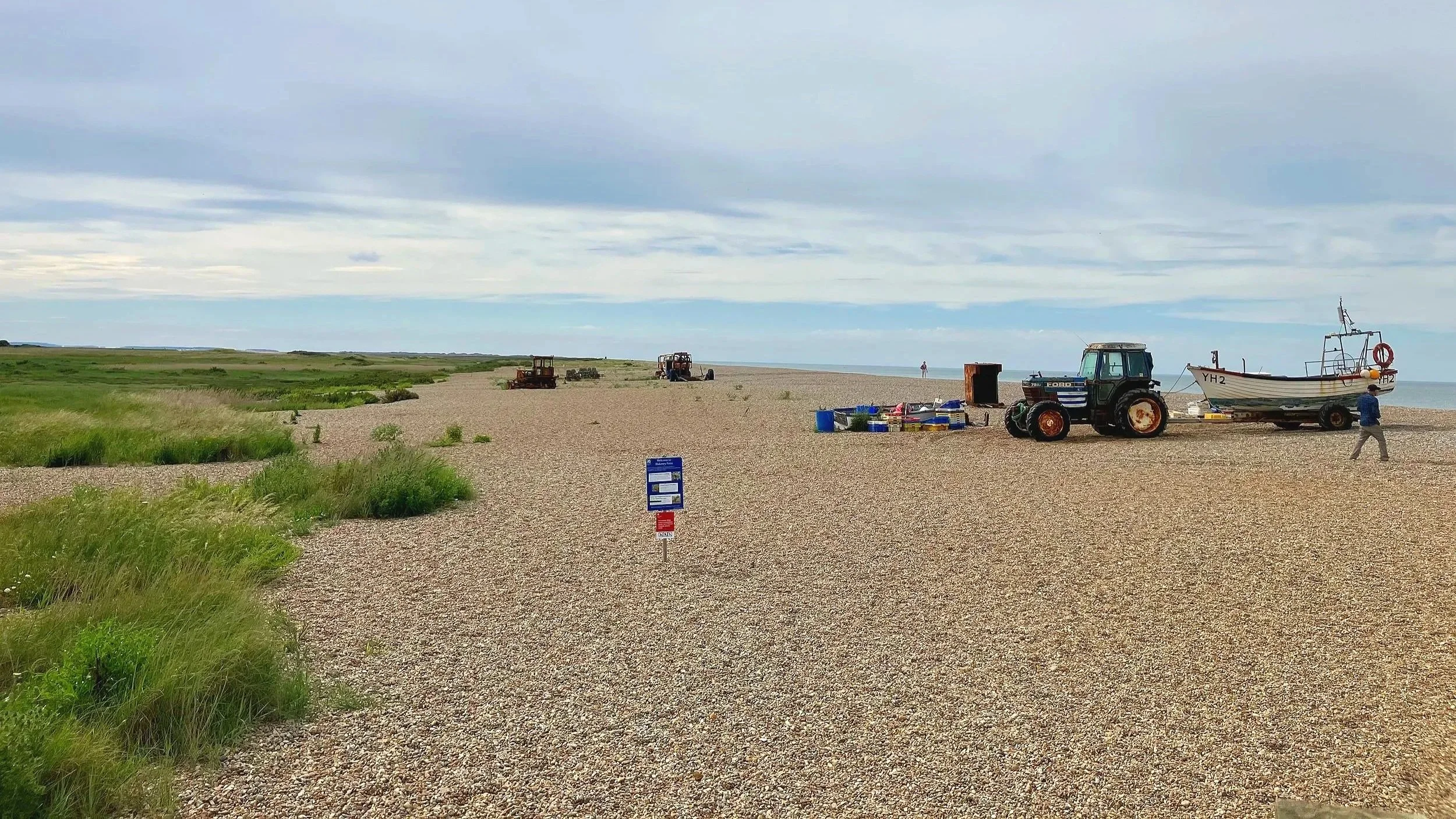
Blakeney NNR covers shingle, dunes, saltmarsh, mudflats and grazing marsh, including places as different as Blakeney Point, Friary Hills and the wider Freshes. Migration shapes spring and autumn, while winter brings geese and waders. The full shingle walk is demanding and seasonal restrictions protect nesting birds and seals, so choose the part that suits the day.
Best for: Coastal migration, winter geese, saltmarsh and open landscapes.
Read the Radius & Flyway guide Official National Trust information
Central coast · Public route
Stiffkey Fen and saltmarsh
Stiffkey Fen is a small freshwater wetland immediately inland from the much larger coastal saltmarsh. Suitable water levels can attract waders and egrets, while the seawall opens broader views across tidal creeks and marsh. The fen itself is private and should be watched only from the public route, making this a quiet stop rather than a reserve circuit.
Best for: Waders, egrets, saltmarsh and a shorter coastal visit.
Central coast · NWT reserve
NWT Cley and Salthouse Marshes
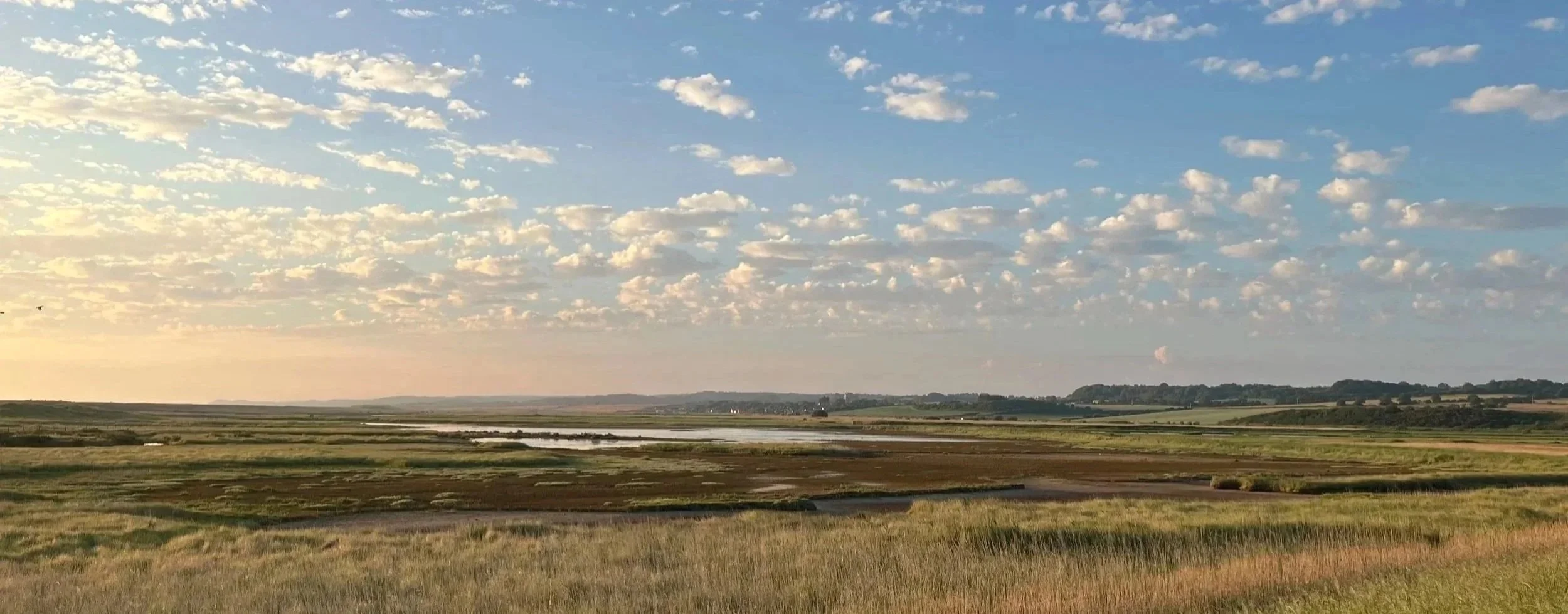
Cley and Salthouse combine reedbed, freshwater scrapes, grazing marsh, saline lagoon and shingle coast. The central hides, East Bank and beach each reveal a different part of the reserve. Migration broadens spring and autumn, but breeding wetland birds in summer and wildfowl, waders and raptors in winter make this a genuine year-round site.
Best for: Year-round coastal wetland birding, migration and a full day.
Cley–Salthouse · NOA reserve
Walsey Hills
This three-acre hillside reserve is one of the clearest Kelling-scale additions to the directory. Thorn and gorse offer shelter to migrant passerines, while the elevated position overlooks Snipes Marsh, Pope’s Marsh and the wider coast. It is an established migration watchpoint rather than a long walk; access involves numerous steps and the hide has separate arrangements.
Best for: Migration watching, coastal scrub and wide views over the marshes.
Eastern coast · Heath and public paths
Kelling Heath, Water Meadow and Quags
Kelling offers two contrasting landscapes. Inland heath and woodland hold characteristic Breck-like birds, while the coastal hedges, wet meadow, pools and shingle provide stopping places for migrants, waders and wildfowl. These are separate areas rather than one managed circuit; water levels strongly affect the Quags and the heath requires patience around breeding birds.
Best for: Heathland birds, coastal migrants and contrasting habitats.
Kelling Heath information Water Meadow and Quags information
North-east coast · Seawatch
Sheringham seawatching
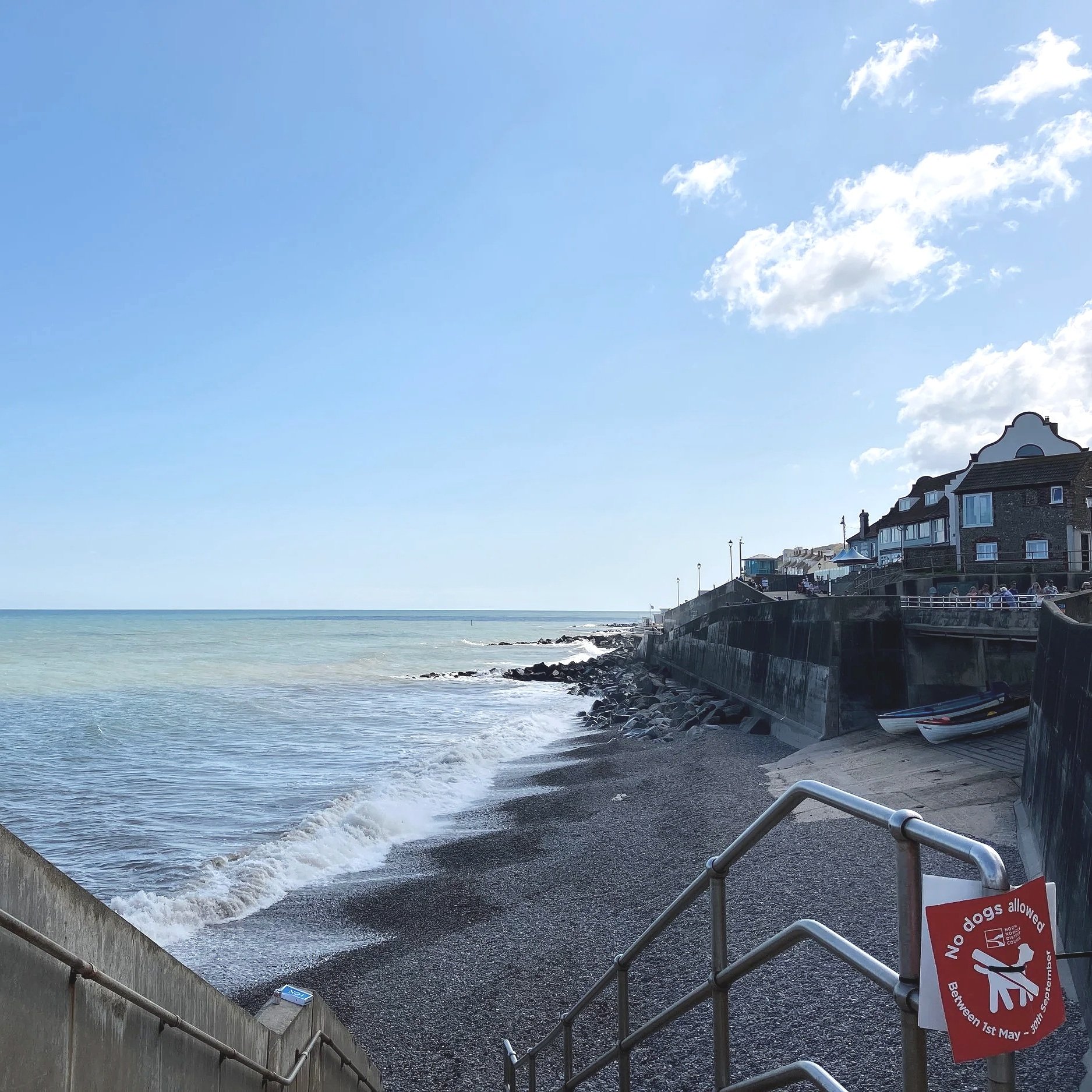
The shelters on The Leas form one of Norfolk’s best-known seawatching points. Late summer and autumn are strongest, particularly with sustained winds from the north or north-west, but promising weather does not guarantee notable passage. A telescope, warm layers and time matter more than a long target list, and the shelters can fill early on the best mornings.
Best for: Seabird passage, visible migration and learning how weather changes the sea.
The Broads and east Norfolk
Top ↑Reedbed, fen, wet woodland, grazing marsh, estuary and dunes, from small urban patches to remote wetland.
Yare Valley · RSPB reserve
RSPB Strumpshaw Fen
Strumpshaw combines reedbed, wet woodland, open water and fen meadow beside the River Yare. Spring and early summer bring bird song, Bittern activity and Hobbies; later summer adds abundant dragonflies. Autumn and winter shift the emphasis towards harriers, wildfowl and quieter reedbed watching. Current path conditions matter because some trails can become muddy or flood.
Best for: Reedbed birds, Broadland habitats and a varied half- or full-day walk.
Yare Valley · RSPB marshes
RSPB Buckenham and Cantley Marshes
These open grazing marshes are most impressive in the colder months, when wildfowl and waders spread across flooded pasture and large numbers of corvids gather towards roost. The birding is broad, distant and governed by water levels. Buckenham is the familiar public starting point; Cantley extends the same marshland system farther east.
Best for: Winter grazing-marsh birding, wildfowl, waders and corvid gatherings.
Surlingham · Ted Ellis Trust
Wheatfen Nature Reserve
Wheatfen lies beside the River Yare near Surlingham, with reedbed, fen, carr woodland and open water linked by a network of paths. Summer warblers use the reedbed and Marsh Harriers can be watched over the fen, while the reserve’s wider natural-history interest makes it rewarding even when birds are quiet. Wet conditions are part of the site’s character.
Best for: Fenland bird song, Marsh Harriers and a quiet Broadland walk.
Norwich fringe · NWT reserve
NWT Thorpe Marshes
Thorpe Marshes brings grazing marsh, dykes, scrub and the open water of St Andrew’s Broad to the eastern edge of Norwich. Winter wildfowl use the broad, Cetti’s Warblers remain throughout the year and late-summer hirundines feed over the marshes. There is no visitor parking on Whitlingham Lane, making this particularly useful for birding by bus or bicycle.
Best for: Accessible urban birding, winter ducks and Broadland wildlife close to Norwich.
Bure Valley · NWT reserve
NWT Upton Broad and Marshes
Upton is an extensive but comparatively quiet Broadland reserve of fen, reedbed, wet woodland and grazing marsh. Marsh Harriers are regular over the reedbeds; winter can add cranes and other raptors, while spring and summer bring wetland song and exceptional insect life. Paths may be very wet, which helps preserve the site’s secluded character.
Best for: Quiet fenland birding, mixed wetland habitats and an unhurried walk.
Upper Thurne · NWT reserve
NWT Hickling Broad and Marshes
Hickling is one of the defining landscapes of the Broads: a large mosaic of reedbed, open water, wet woodland and fen. Marsh Harriers are part of the regular view, while Bitterns, Bearded Tits and Common Cranes reward time and luck. Spring and summer emphasise breeding activity; autumn and winter favour raptors, wildfowl and open-sky watching.
Best for: Large reedbeds, raptors, cranes and landscape-scale wetland birding.
East coast · Dunes and marsh
Horsey and Winterton Dunes
Horsey and Winterton join grazing marsh, dune heath, beach and open sea. The coast is well placed for visible migration and grounded birds, while the marshes behind the dunes add raptors, cranes and wetland species. Autumn is the principal migration period. Grey seal pupping and breeding birds bring seasonal barriers that must be followed precisely.
Best for: East-coast migration, dunes, grazing marsh and wide coastal birding.
Yare–Waveney estuary · RSPB reserve
RSPB Berney Marshes and Breydon Water
Berney and Breydon combine wet grassland, intertidal mud and saltmarsh at the meeting of the Yare and Waveney. Winter wildfowl and waders occupy a remote, uncluttered landscape. Berney has no road access or public car park and is reached by train, boat or a long walk; access therefore needs more deliberate planning than most Norfolk reserves.
Best for: Winter wildfowl, estuary birding, open marsh and a deliberately remote day.
Breckland and inland Norfolk
Top ↑Grass heath, meres, forest, river valley, gravel pits and ancient woodland away from the coast.
Breckland · NWT reserve
NWT Weeting Heath
Weeting protects the short, dry turf and stony ground characteristic of Breckland. Stone-curlews are watched from hides without approaching their breeding ground, while grass heath, woodland edge and rare arable plants broaden the visit. The main season runs from spring into summer, but opening arrangements and viewing conditions should be checked before travelling.
Best for: Stone-curlews, Breckland grass heath and a focused seasonal visit.
Breckland · NWT reserve
NWT East Wretham Heath
East Wretham combines open heath, groundwater-fed meres and mature pine woodland. Water levels determine whether the meres favour wildfowl or expose margins for passage waders. Woodlark, Nightjar and Redstart breed within the wider habitat, making spring and summer particularly rewarding when watched from the established paths and hides.
Best for: Breckland heath, woodland birds and the changing ecology of the meres.
Breckland · NWT reserve
NWT Thompson Common
Thompson Common is shaped by hundreds of Ice Age pingo ponds set among wet and dry grassland, scrub, heath and mature woodland. Spring brings warblers and a strong dawn chorus, while the ponds and woodland add substantial botanical and invertebrate interest. It works best as a slow habitat walk rather than a search for one specialist bird.
Best for: Spring bird song, woodland edges and a distinctive pingo landscape.
Breckland · Forestry England
Lynford Arboretum
Lynford mixes mature specimen trees, conifers, lakes and the edge of Thetford Forest. Hawfinches, Siskins, Crossbills and mixed feeding flocks are possibilities rather than promises. Winter and early spring are often the most purposeful periods, before foliage closes the canopy. Listening and revisiting several feeding areas usually works better than waiting at one familiar spot.
Best for: Woodland birding, Hawfinches and an approachable introduction to the Brecks.
Breckland · Forest and river
Santon Downham and Thetford Forest
Santon Downham gives access to the Little Ouse valley and the quieter forest landscape on the Norfolk–Suffolk border. Riverbank, pine plantation, broadleaved woodland, clearings and heath edge create a more varied day than a single forest car park. Spring is strongest for song and display; winter can bring roaming finches and mixed forest flocks.
Best for: Forest and riverside birding, Breckland atmosphere and a longer walk.
Wensum Valley · NWT reserve
NWT Sparham Pools
This compact former gravel pit beside the River Wensum is a particularly useful winter stop. Shoveler, Gadwall, Pochard and Tufted Duck use the lake, with Goosander and Goldeneye among the less numerous possibilities; Kingfishers may be encountered throughout the year. A short circular path makes it suited to a focused visit rather than a full day.
Best for: Winter wildfowl, Kingfishers and an undemanding short circuit.
Central Norfolk · NWT reserve
NWT Foxley Wood
Foxley is Norfolk’s largest ancient woodland and a marked change from the county’s coast and wetlands. Rides, coppice and mature trees support Nuthatch, Treecreeper, Marsh Tit and a varied woodland community. Spring is the strongest first visit, when birds are vocal and bluebells cover parts of the woodland floor; later visits reward slower natural-history watching.
Best for: Ancient woodland, spring bird song, bluebells and a quiet inland walk.
Wensum Valley · Hawk and Owl Trust
Sculthorpe Moor Nature Reserve
Sculthorpe Moor combines reedbed, fen, wet woodland and meadow near Fakenham. Boardwalks and hides make it unusually straightforward to explore without disturbing wet ground. The habitat supports raptors, wetland birds and a varied woodland community through the year. Spring brings song and breeding activity; winter gives clearer views through the trees and across feeding areas.
Best for: Accessible wetland birding, hides, raptors and a compact half day.