Blakeney National Nature Reserve
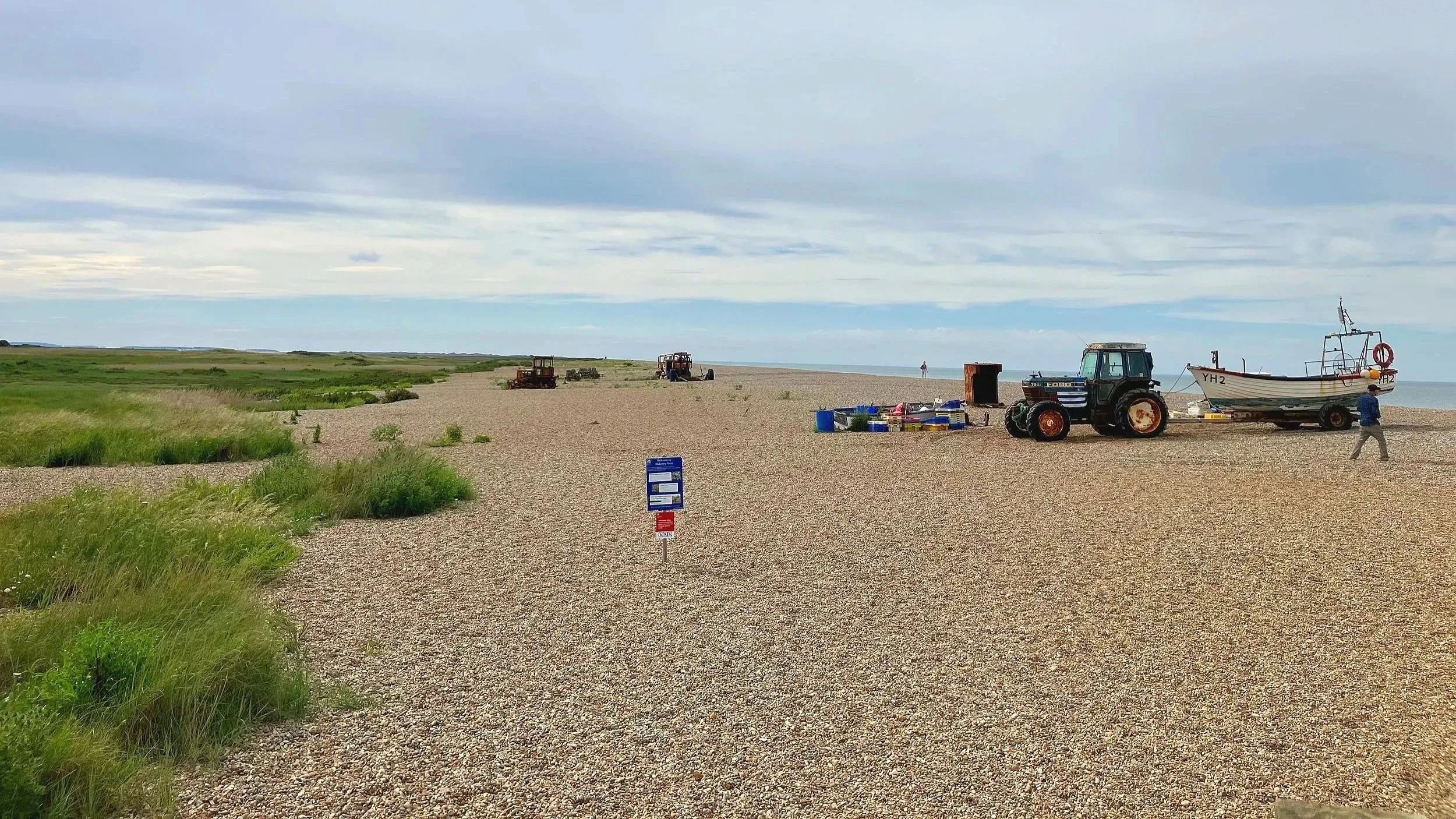
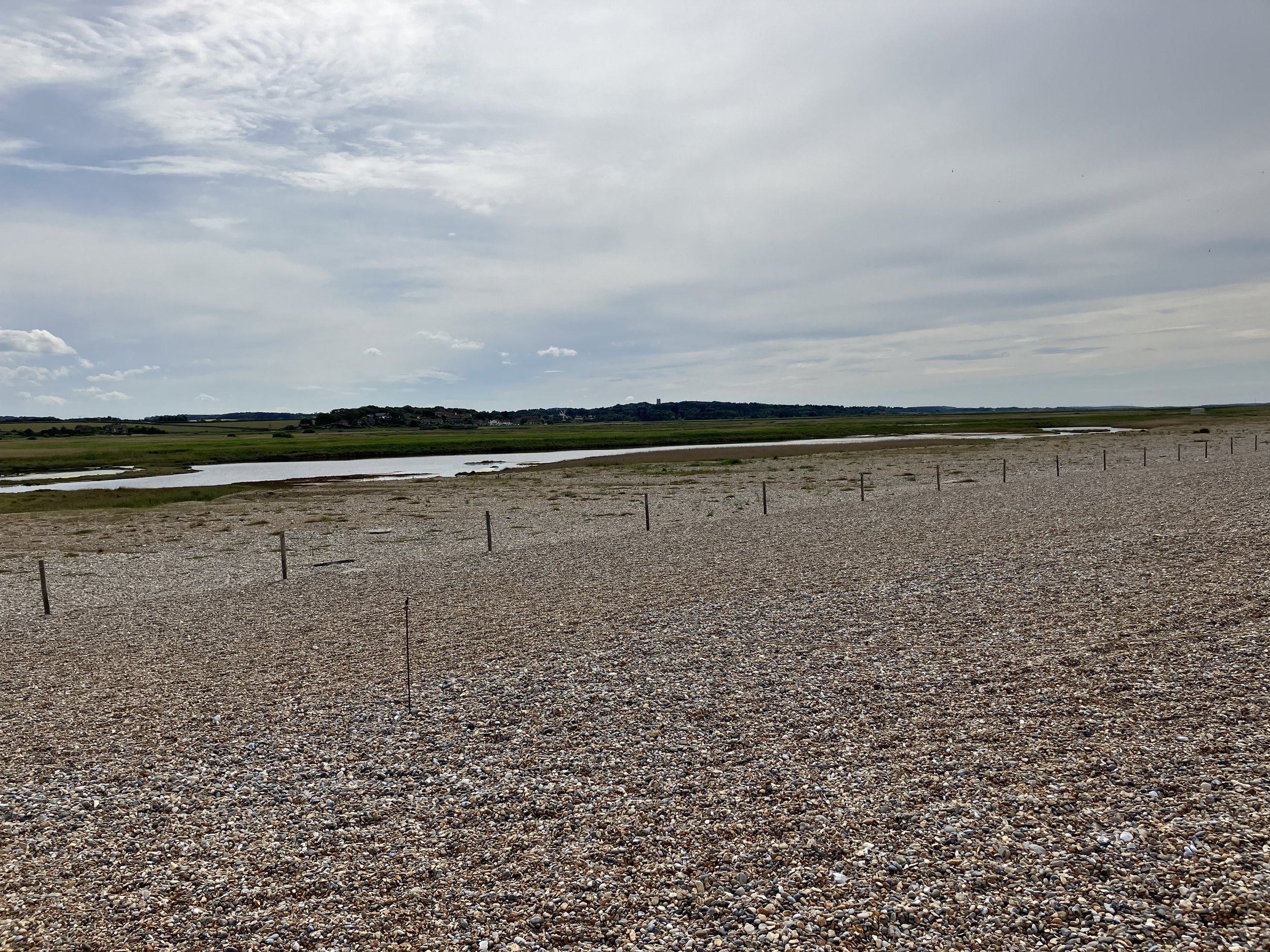
Blakeney Point as viewed from Cley Beach car park
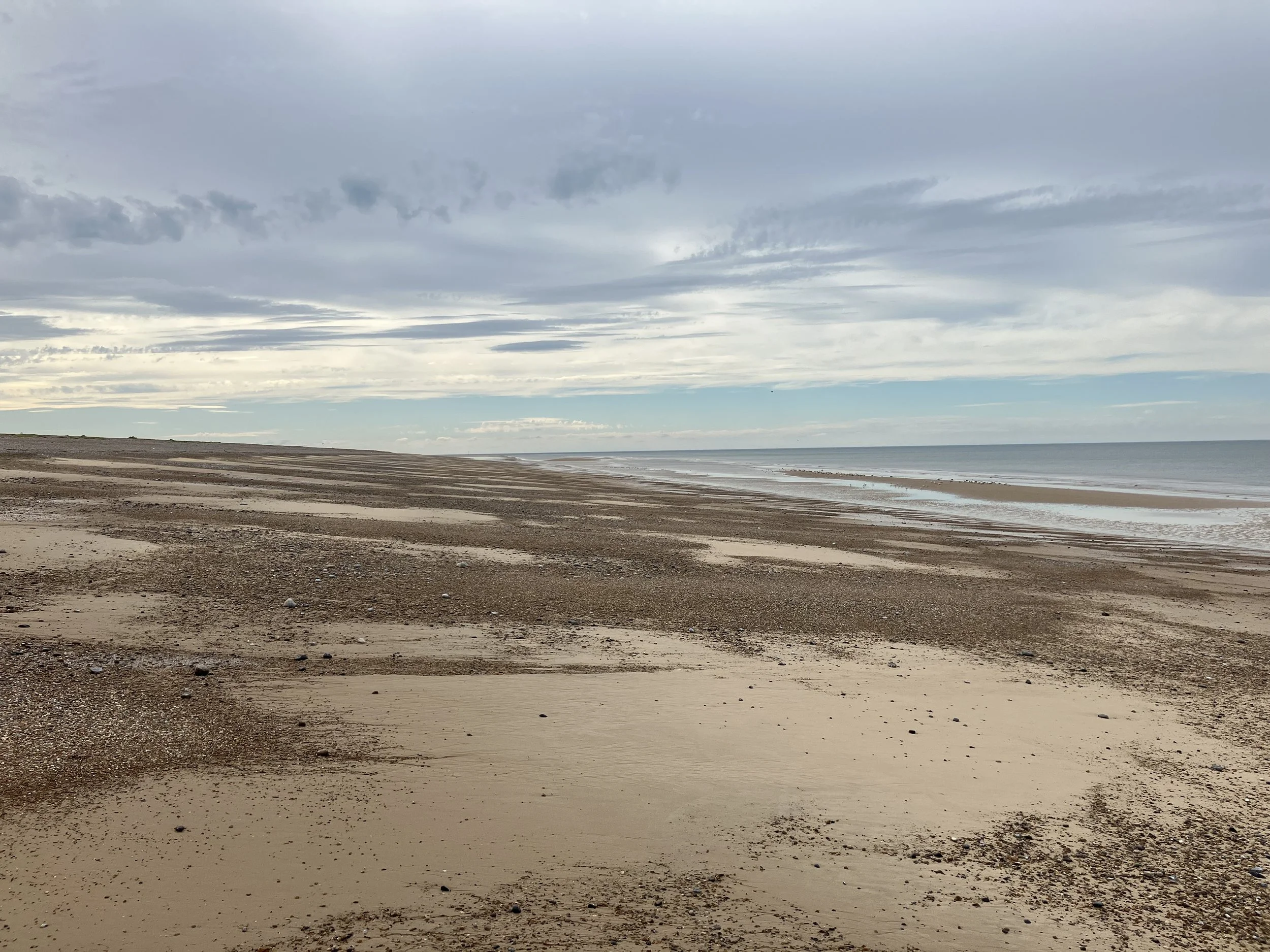
Blakeney National Nature Reserve runs along the north Norfolk coast near Blakeney, Morston, Cley, and Stiffkey. Unlike a single, compact reserve with bird hides, it covers a large stretch of coastline. Blakeney Point’s shingle ridge and dunes shelter tidal mudflats and saltmarsh. Blakeney Freshes has freshwater grazing marsh, while Friary Hills has grassland, scrub, and trees.
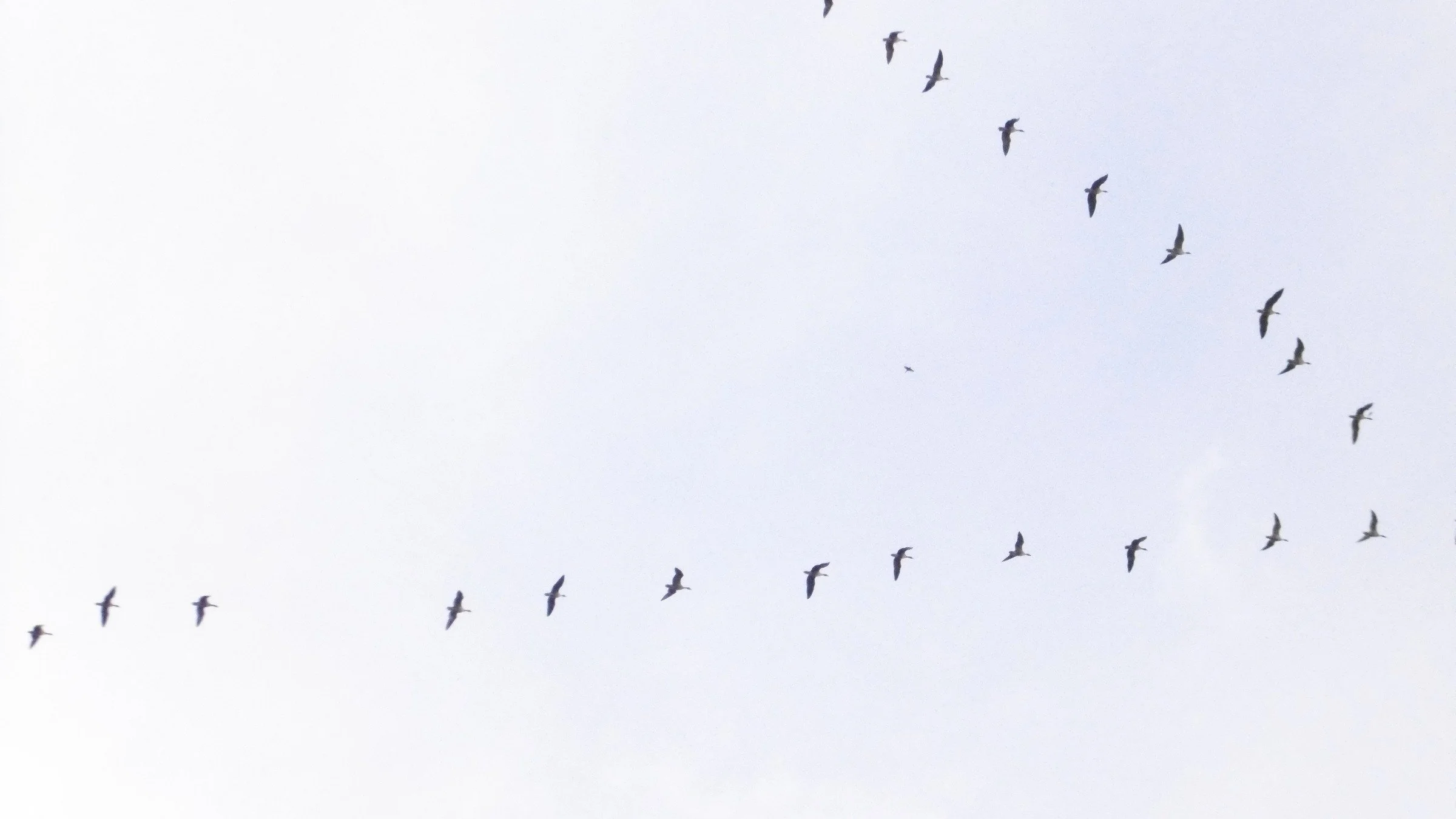
Blakeney Point is well known for its breeding terns and the grey seal colony that gathers in winter. Blakeney Freshes is home to breeding Lapwing and Avocet, and in winter, it becomes a feeding and roosting place for Pink-footed and Brent Geese. Stiffkey Marshes attract breeding waders, Little Egrets, Spoonbills, and large flocks of geese and waders in winter.
Spring and autumn are the best seasons to see migrating birds, while summer is great for spotting breeding birds. In winter, you can see geese, waders, and seals. Visiting Blakeney Freshes and Friary Hills might take half a day, but walking the full length of Blakeney Point is best as a full-day trip. The reserve is too big to see everything in one visit.
Cley and Salthouse Marshes pair well with the eastern side of the reserve. Holkham is a good addition to a wider trip to north Norfolk, and Stiffkey Marshes are part of Blakeney NNR, not a separate site.
For the latest details on access, opening times, facilities, charges, and any temporary restrictions, visit the official National Trust page for Blakeney National Nature Reserve. (National Trust)
What rare or notable species might be seen during peak migration?
During good autumn migration, you might see rare birds at Blakeney Point, such as Wryneck, Red-breasted Flycatcher, and Barred Warbler. Large groups of Northern Wheatears, Common Redstarts, Spotted Flycatchers, and other migrating songbirds sometimes stop to rest along the Point too.
Which birds you see depends on the weather and migration patterns. Birds can be spread out across the large reserve, and rare migrants may only stay briefly. These species are possible to see, but not guaranteed!
Restrictions and nesting-bird protection
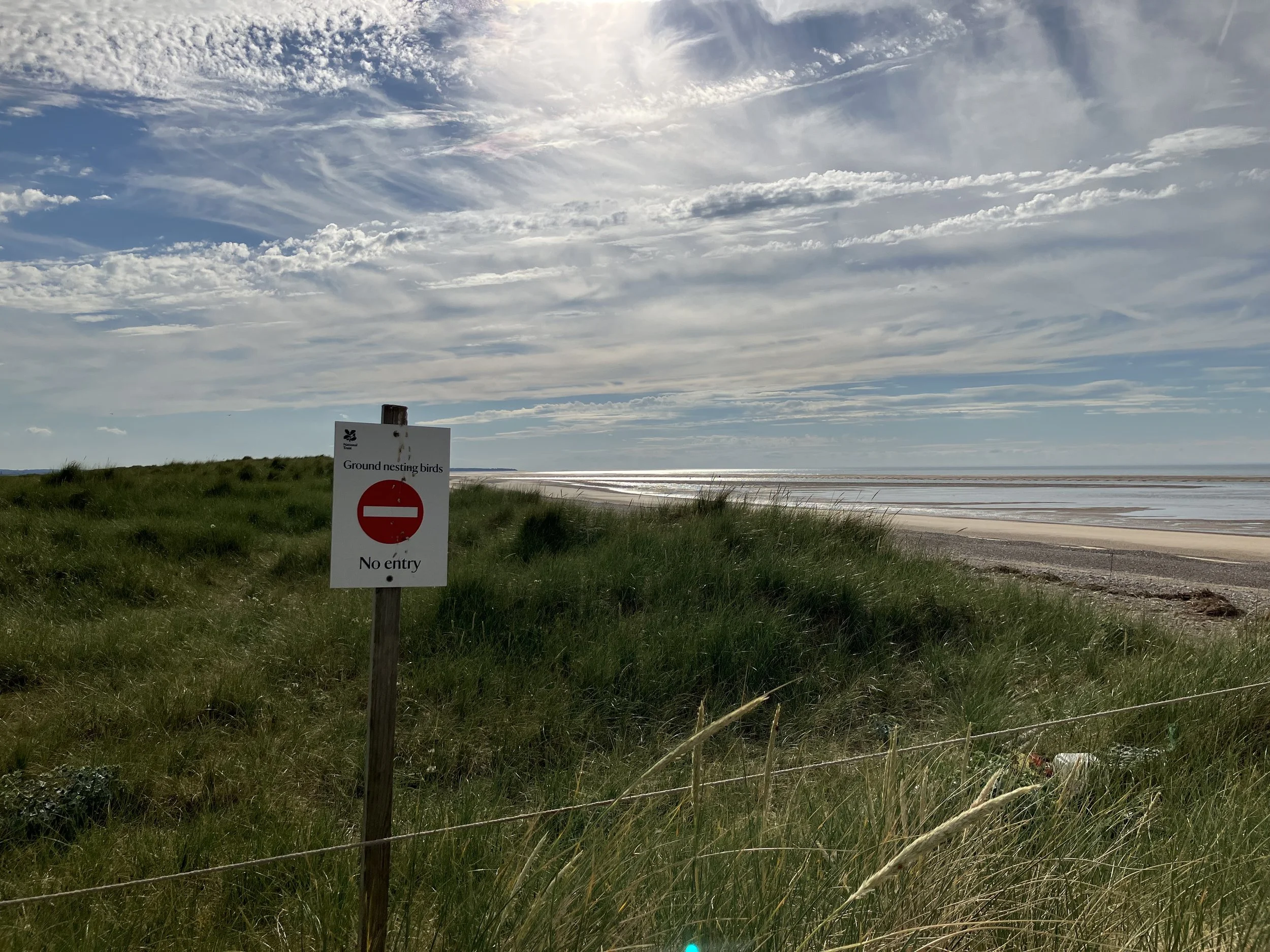
From April to August, some parts of Blakeney Point are marked with signs and temporary fencing to protect vulnerable nesting areas. Little, Common, Arctic, and Sandwich Terns nest on the shingle, along with Ringed Plovers, Oystercatchers, and other ground-nesting birds. Visitors should stay outside marked areas and follow any diversions or ranger instructions. Dogs are not allowed anywhere on Blakeney Point from 1 April to 31 August during the ground-nesting season, or from 1 November to mid-January during the grey-seal pupping season. They are welcome from mid-January to the end of March and during September and October. Follow signs, fences and any temporary diversions, and check the National Trust’s current guidance before travelling.
Facilities
Blakeney is arranged differently from Titchwell or Cley. Facilities are spread out across different access points rather than grouped around a visitor centre, and the National Trust does not list a standard network of bird hides here.
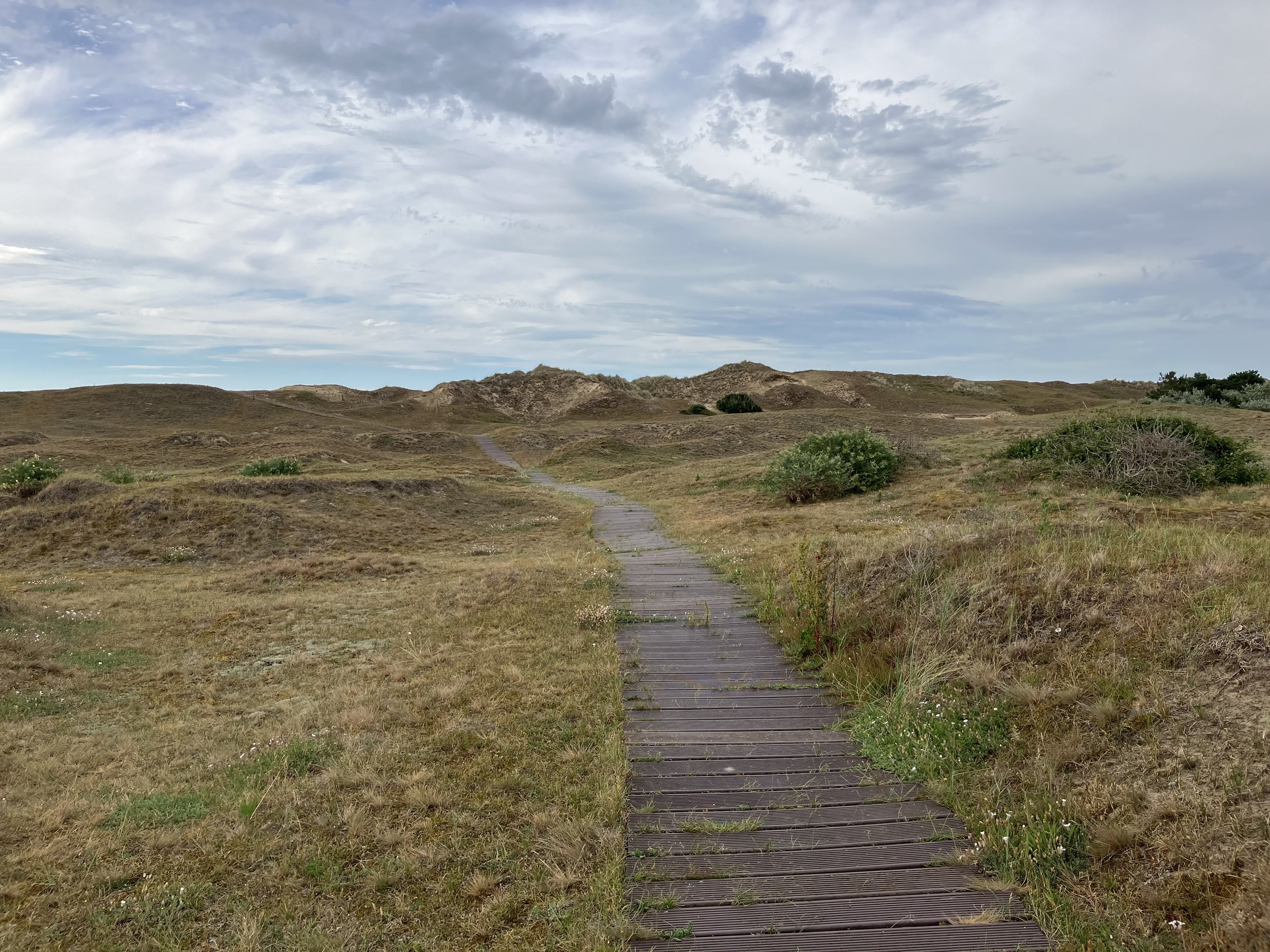
Parking is available at Blakeney Quay, Morston Quay, Cley Beach, and Stiffkey. Public toilets are at Morston Quay and Blakeney Quay, but not in the more remote parts of the reserve. The Lifeboat House on Blakeney Point is open at certain times, so check the latest details before your visit. (National Trust)
Transport
You do not need a car to reach the more accessible parts of Blakeney National Nature Reserve. The Coasthopper bus runs along the north Norfolk coast and stops at villages like Cley, Blakeney, Morston, and Stiffkey. This puts Blakeney Freshes, Friary Hills, Morston Quay, and parts of the Norfolk Coast Path within walking distance of bus stops. Rail travellers can connect to coastal buses from towns such as Sheringham or King’s Lynn. A car gives you more flexibility if you want to visit several scattered parts of the reserve, carry equipment, or start early. Parking is spread across multiple access points rather than a single main entrance. You can only reach Blakeney Point on foot along the shingle from Cley Beach or by an authorised boat from Morston Quay; there is no direct road access. Bus times and connections may be limited outside the main season, so check the current timetable before you travel.
Best for: Coastal migration, saltmarsh birding, winter geese, and open landscapes
Time needed: Full day
Strongest seasons: Autumn migration, summer breeding birds, and winter geese
Pairs naturally with: Cley and Salthouse Marshes and Holkham National Nature Reserve
Official site:National Trust: Blakeney National Nature Reserve
Information checked: 5 September 2026.