

RSPB Snettisham
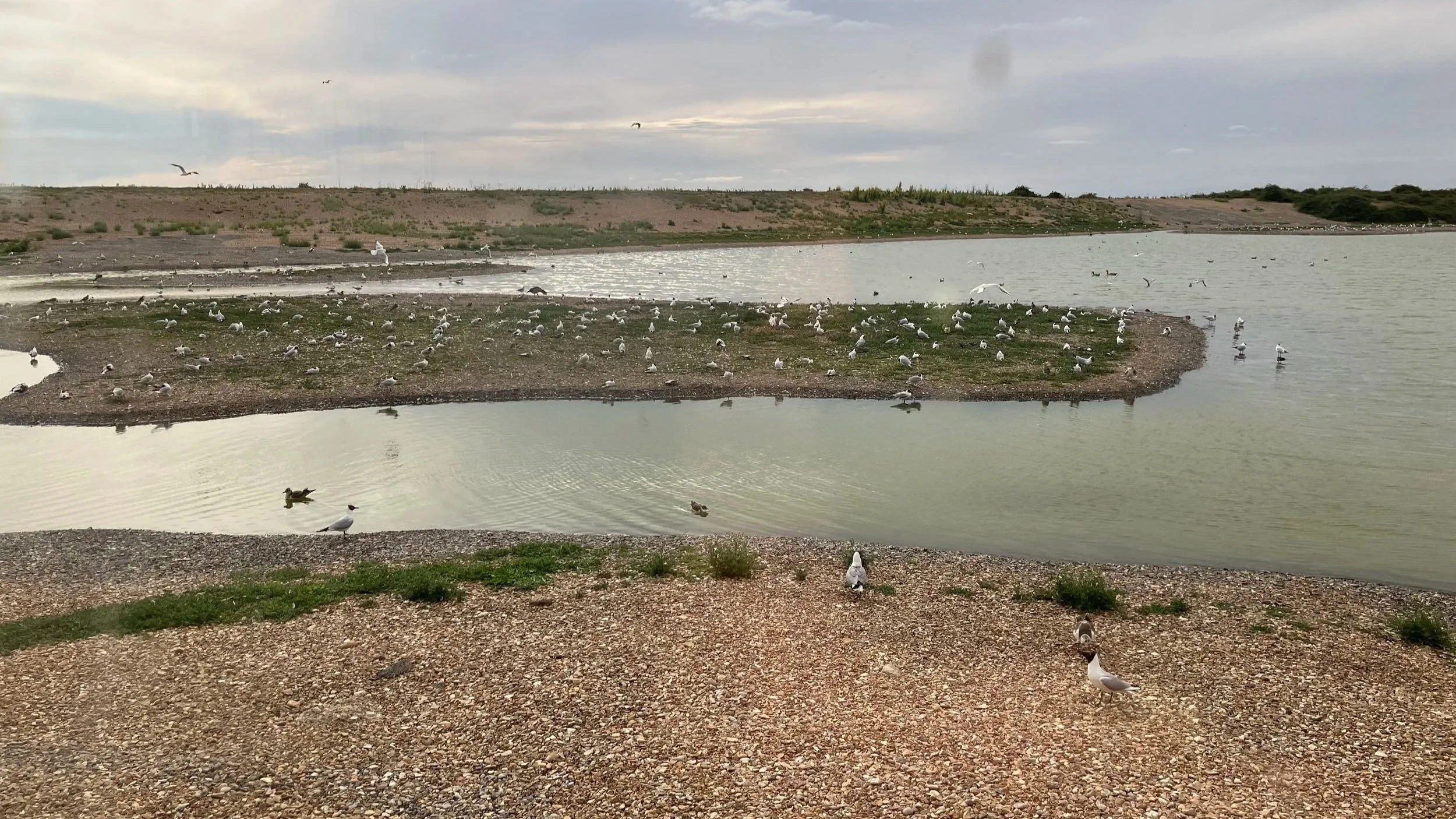
Explore RSPB Snettisham, a Wash-coast reserve known for tidal wader movements, winter geese, open mudflats and brackish lagoons.
More places to go birding in Norfolk
Norfolk’s best-known reserves are only part of the county’s birding. The Wash, north coast, Broads, Brecks and inland woods each reward different seasons and conditions. This directory gives a concise introduction to the principal reserves and established public birding sites, including places that are not formal nature reserves.
The detailed guides in the carousel above contain photographs and fuller planning advice. Short entries remain here when a full guide is published, so this page continues to work as a complete, scannable directory.
The Wash and west Norfolk
Wide mudflats, coastal lagoons, heath and mire, with some of Norfolk’s strongest winter birding and its most tide-dependent visits.
RSPB Snettisham
Snettisham faces the great intertidal sweep of the Wash. Brackish lagoons sit behind the sea wall, but the reserve’s defining feature is the mudflat: an immense feeding area for waders, geese and wildfowl rather than a neat sequence of enclosed scrapes.
The famous wader movements depend on sufficiently high tides coinciding with good numbers of birds. They do not happen on every visit. Check the RSPB’s selected spectacular dates, allow time for the long walk from the car park and expect an exposed, largely unstaffed reserve. A telescope is especially useful here.
Read the full Radius & Flyway guide Check official RSPB information
RSPB Titchwell Marsh
Titchwell compresses much of north-west Norfolk’s coastal birding into one clear route. Woodland gives way to reedbed, freshwater lagoon, saltmarsh and finally the beach, making it possible to move through several distinct bird communities without a complicated circuit.
The reserve is rewarding throughout the year, with spring and autumn bringing the widest variety and winter favouring waders, wildfowl and raptors. It is one of the easier major Norfolk reserves to approach, with a visitor centre, hides and surfaced sections of path, but current charges, facilities and accessibility should still be checked before travelling.
Read the full Radius & Flyway guide Check official RSPB information
NWT Holme Dunes
Holme sits where the north Norfolk coast turns into the Wash, placing dunes, grazing marsh, scrub, pools and beach in a particularly useful position for migration. The mix of open coast and sheltered cover gives the site a different character from the lagoons at nearby Titchwell.
Spring and autumn are the obvious periods for passage, while winter brings coastal waders and wildfowl. The neighbouring Holme Bird Observatory adds another layer of interest, but it is separately managed and may have its own access arrangements. Check both organisations’ information and observe seasonal fencing around vulnerable beach-nesting birds.
Check official NWT information Visit the Norfolk Ornithologists’ Association
Dersingham Bog National Nature Reserve
Dersingham Bog protects a rare combination of acid valley mire, lowland heath and woodland on the edge of the Sandringham estate. It offers a quieter inland contrast to the Wash reserves, with open heath, wet ground and wooded escarpment all visible within a relatively compact landscape.
The reserve is strongest for heath and woodland birding from spring into summer, although the habitat itself is the main reason to visit. Paths can be wet or uneven and some ground is ecologically fragile. Natural England requires dogs to be kept on a short lead, both for ground-nesting birds and the grazing cattle.
NWT Roydon Common
Roydon Common brings dry heath, acid bog, wet carr woodland and grassland together west of King’s Lynn. It is a broad natural-history site rather than a reserve organised around hides, and its interest comes from walking through a changing mosaic of open and wet habitats.
Woodlark and Nightjar are associated with the managed heathland, while the wetter areas add a different range of birds, plants and insects. Birding is usually best at the quieter ends of the day, but access, livestock and ground conditions should be checked first. Keep to established routes and do not pursue calling birds into sensitive breeding areas.
North Norfolk coast
Grazing marsh, saltmarsh, shingle, dunes, pine woods and exposed sea-watching points along one of Britain’s most closely watched migration coasts.
Holkham National Nature Reserve and Wells Woods
Holkham is a large coastal landscape rather than a single reserve circuit. Grazing marsh, saltmarsh, dunes, beach and the shelter of Holkham Pines and Wells Woods support winter wildfowl, breeding marsh birds and some of Norfolk’s most absorbing autumn migrant searches.
Lady Anne’s Drive and Wells provide the most familiar starting points, but the distances can become substantial once the woods, marshes and beach are combined. Winter geese may feed far from the paths, and autumn migrants can be thinly spread through extensive cover. Choose one part of the reserve for a half day or allow a full day for a longer exploration.
Burnham Overy Marshes and Dunes
The raised bank north from Burnham Overy Staithe crosses grazing marsh and saltmarsh before reaching the dune system at Gun Hill. It is a well-established birding route where the journey through the marshes matters as much as the migrant cover at the seaward end.
Spring and autumn can bring grounded passerines, visible movement and birds of prey, while the marshes retain interest in winter. The walk is long, open and without facilities once the village is behind you; wind, sun and soft sand can make it more tiring than the map suggests. Follow all seasonal signs around nesting birds and sensitive dunes.
Check official Holkham NNR information Read local site information
Blakeney National Nature Reserve
Blakeney NNR stretches across shingle, dunes, saltmarsh, mudflats and grazing marsh. It includes places as different as Blakeney Point, Friary Hills, Blakeney Freshes and the Stiffkey marshes, so it cannot sensibly be treated as one compact reserve.
Spring and autumn favour migration, summer brings breeding birds and winter brings geese, waders and the seal colony. The full shingle walk along Blakeney Point is demanding and seasonal restrictions protect nesting birds and seals. Choose the part of the reserve that suits the day, then check the National Trust’s current access notices before setting out.
Read the full Radius & Flyway guide Check official National Trust information
Stiffkey Fen and saltmarsh
Stiffkey Fen is a small freshwater wetland set just inland from the much larger coastal saltmarsh. The combination can be especially productive when water levels suit feeding waders and egrets, while the seawall gives a wider view over tidal creeks and open marsh.
The fen itself is private and should be watched only from the public route and seawall. Vegetation can restrict views, parking is limited and the coastal paths may be muddy. Treat it as a quiet half-day stop or part of a longer walk, and check local access information rather than attempting to approach birds more closely.
NWT Cley and Salthouse Marshes
Cley and Salthouse combine reedbed, freshwater pools, grazing marsh, saline lagoons and shingle coast. The central hides, East Bank and the beach each reveal a different part of the reserve, which is why a quick stop and a full-day visit can feel like two different places.
Migration gives spring and autumn their breadth, but breeding wetland birds in summer and wildfowl, waders and raptors in winter make this a year-round site. The shingle is tiring, the coastal sections are exposed and facilities are concentrated around particular access points. Decide which part you want to bird before arriving.
Read the full Radius & Flyway guide Check official NWT information
Kelling Heath, Water Meadow and Quags
Kelling offers two contrasting birding landscapes. Inland, the heath and mixed woodland hold characteristic Breck-like birds and reward a quiet early visit. Down towards the coast, hedges, wet meadow, pools and shingle provide stopping places for migrants, waders and wildfowl.
These are separate areas with different ownership and access, not one managed reserve circuit. The coastal walk is exposed and water levels strongly affect the Quags, while the heath requires patience and care around breeding birds. Use the established public paths, follow local signs and check the Cley Bird Club’s site notes before planning a combined visit.
Read Kelling Heath site information Read Water Meadow and Quags information
Sheringham seawatching
Sheringham is not a nature reserve, but the shelters on The Leas form one of Norfolk’s best known seawatching points. The raised position and some protection from the weather make it possible to watch the North Sea for extended periods when birds are moving close enough to identify.
Late summer and autumn are the strongest period, particularly with northerly or north-westerly winds, but a strong wind alone does not guarantee a notable passage. A telescope, warm layers and time are more useful than a long target list. Space in the shelters can be limited on the most promising mornings.
Read the full Radius & Flyway guide Read local site information
The Broads and east Norfolk
Reedbeds, grazing marshes, tidal estuary and dune coast, ranging from well-equipped reserves to some of the county’s most remote public birding.
RSPB Strumpshaw Fen
Strumpshaw Fen sits beside the River Yare and brings together reedbed, wet woodland, open water and flower-rich fen meadow. The paths move between enclosed woodland and wide views over Broadland wetlands, giving the reserve more variety than its name first suggests.
Spring and early summer are strong for bird song, booming Bitterns and hunting Hobbies, while later summer adds abundant dragonflies and other insects. Autumn and winter shift the emphasis towards harriers, wildfowl and quieter reedbed watching. Some paths become muddy or flood, so current trail conditions and seasonal opening arrangements matter.
RSPB Buckenham and Cantley Marshes
These open grazing marshes in the Yare valley are at their most impressive in the colder months, when wildfowl and waders spread across flooded pasture and large numbers of corvids gather towards roost. The birding is broad, distant and closely tied to water levels.
Buckenham is the more familiar public starting point, with access near the station; Cantley extends the same marshland system farther east. There is little shelter and few facilities, paths can be wet, and a telescope is often valuable. Weekend rail services may stop at Buckenham by request, but the current timetable must be checked.
NWT Hickling Broad and Marshes
Hickling is one of the defining reserves of the Broads: a wide landscape of reedbed, open water, wet woodland and fen. Marsh Harriers are a constant part of the view, while Bitterns, Bearded Tits and Common Cranes reward time, distance and a little luck.
The reserve works in every season, but the experience changes markedly. Spring and summer bring breeding activity, fenland insects and longer evenings; autumn and winter favour raptors, wildfowl and open-sky watching. Some viewpoints and wildlife boat trips have seasonal arrangements, so check the visitor centre information before deciding how to use the day.
Horsey and Winterton Dunes
Horsey and Winterton join grazing marsh, dune heath, beach and open sea along Norfolk’s east coast. The landscape is well placed for visible migration and grounded coastal birds, while the marshes behind the dunes add raptors, cranes and wetland species.
Autumn is the main migration period, though winter can be rewarding for sea watching, raptors and open-country birds. Grey seal pupping brings strict seasonal management and heavy visitor pressure to parts of the beach. Stay behind barriers, keep well away from seals and follow every temporary sign around nesting or resting wildlife.
Check official Natural England information View the National Trust Horsey walk
RSPB Berney Marshes and Breydon Water
Berney Marshes and Breydon Water combine wet grassland, intertidal mud and saltmarsh at the meeting of the Yare and Waveney. In winter the scale of the estuary becomes apparent as wildfowl and waders feed and roost across a landscape with very little visual clutter.
This is remote birding. Berney has no road access or public car park and is reached by train, boat or a long walk on public paths; Breydon can be approached from Great Yarmouth and other access points. Paths are unsurfaced and exposed, with no dependable shelter or facilities. Check both the rail service and RSPB access advice before committing to the visit.
Breckland and inland Norfolk
Dry grass heath, conifer forest, river valley, fen and ancient woodland, with birding that rewards sound, patience and careful seasonal timing.
NWT Weeting Heath
Weeting Heath protects the short, dry turf and stony ground characteristic of Breckland. Its best-known birds are Stone-curlews, watched from hides without approaching their breeding ground, but the surrounding grass heath, woodland edge and rare arable plants make the reserve more than a single-species stop.
The main birding season runs from spring into summer, when Stone-curlews have returned. Timing and visitor arrangements can change, and the birds may be inactive or difficult to see even when present. Check the Norfolk Wildlife Trust page before travelling and allow time to look beyond the principal viewing area.
Lynford Arboretum
Lynford mixes mature specimen trees, conifers, lakes and the wider edge of Thetford Forest. It is one of Norfolk’s most familiar woodland birding sites, with Hawfinches, Siskins, Crossbills and mixed feeding flocks among the possibilities rather than promises.
Winter and early spring are often the most purposeful birding periods, before foliage makes the canopy harder to read. Several trails allow anything from a short circuit to a longer forest walk. Sightings can be brief and mobile, so listening, waiting and checking several feeding areas usually works better than standing at one well-known spot.
Santon Downham and Thetford Forest
Santon Downham gives access to the Little Ouse valley and the quieter forest landscape on the Norfolk–Suffolk border. Riverbank, pine plantation, broadleaved woodland, clearings and heath edge create a broader birding day than a visit to a single forest car park.
Spring is strongest for song and display, while winter can bring roaming finches and other forest birds. The size of Thetford Forest is both its appeal and its difficulty: birds may be widely dispersed and forestry work can alter familiar routes. Use marked public access, obey temporary closures and avoid broadcasting the locations of sensitive breeding birds.
NWT Foxley Wood
Foxley is Norfolk’s largest ancient woodland and a valuable change of pace from the county’s coast and wetlands. Rides, coppice, mature trees and spring flowers support a familiar but rewarding woodland community, including Nuthatch, Treecreeper and Marsh Tit.
Spring is the obvious first visit, when birds are vocal and bluebells brighten the woodland floor. Summer becomes leafier and quieter for birds but stronger for butterflies; autumn and winter reveal the structure of the wood. Paths can be muddy and the reserve is better approached as a slow natural-history walk than a rapid search for a target.
Sculthorpe Moor Nature Reserve
Sculthorpe Moor lies in the Wensum valley near Fakenham and combines reedbed, fen, wet woodland and meadow. Boardwalks and hides make the reserve unusually easy to explore while keeping visitors above wet ground and reducing disturbance.
The habitat supports raptors, wetland birds and a varied woodland community through the year. Spring brings song and breeding activity; winter can be quieter but gives clearer views through the trees and across feeding areas. The reserve is managed by the Hawk and Owl Trust and has its own opening and entry arrangements, so check these before travelling.