
Birding Articles
Field notes, identification, migration and conservation in Britain, with emphasis on East Anglia.
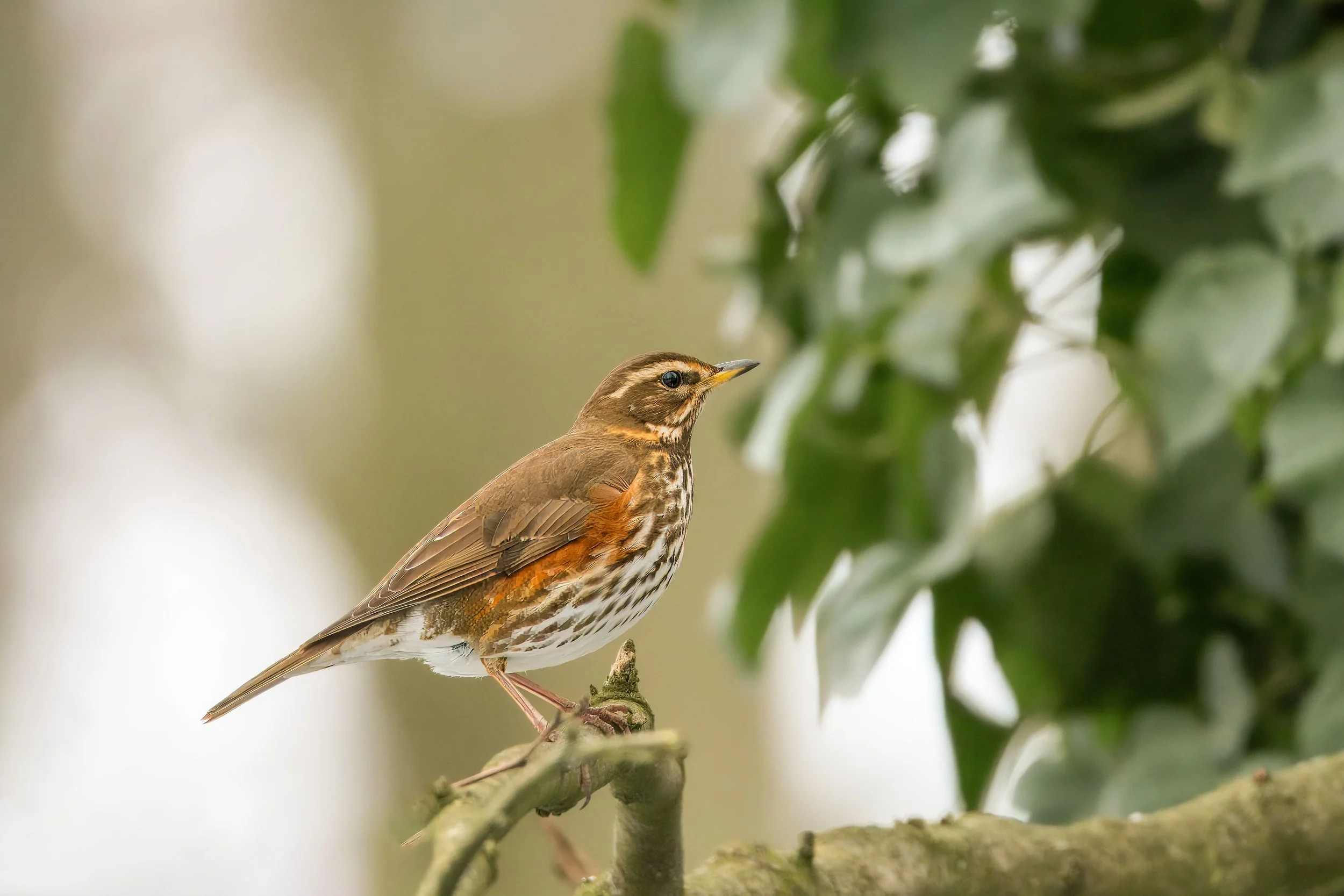
UK thrush identification: Song Thrush, Mistle Thrush, Redwing and Fieldfare
Song and Mistle Thrush can be difficult to separate; winter flocks add Redwing and Fieldfare to the comparison. This practical guide examines head patterns, spotting, proportions and calls, showing which features remain useful when a bird is distant or partly hidden.
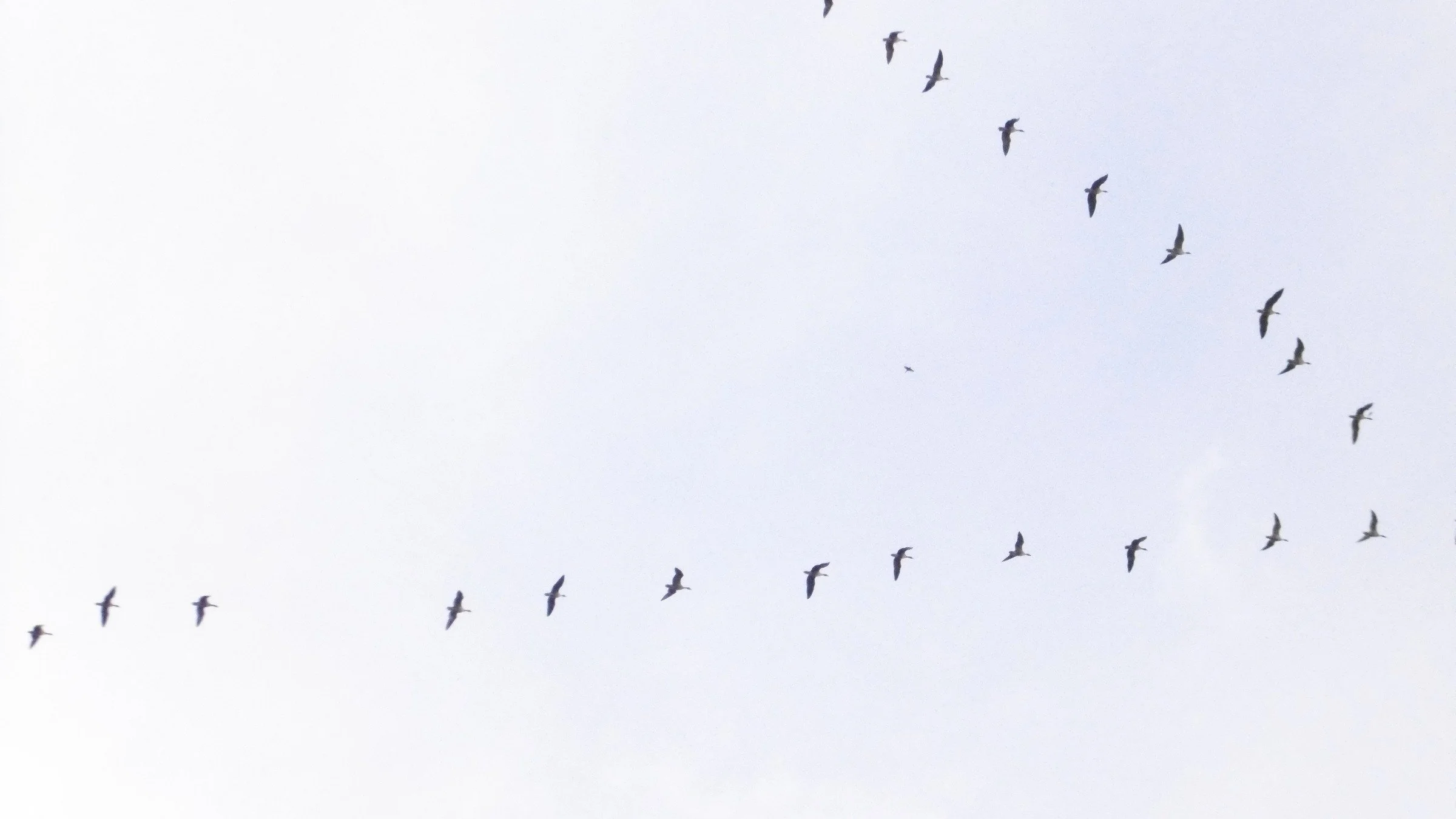
Pink-footed Goose Migration in Britain: Arrival, Redistribution and Daily Flights
Pink-footed Geese reach Britain from September, but a passing skein need not have just crossed from Iceland. Follow their North Atlantic journey, changing winter distribution and daily feeding flights, with practical clues for interpreting what you see.
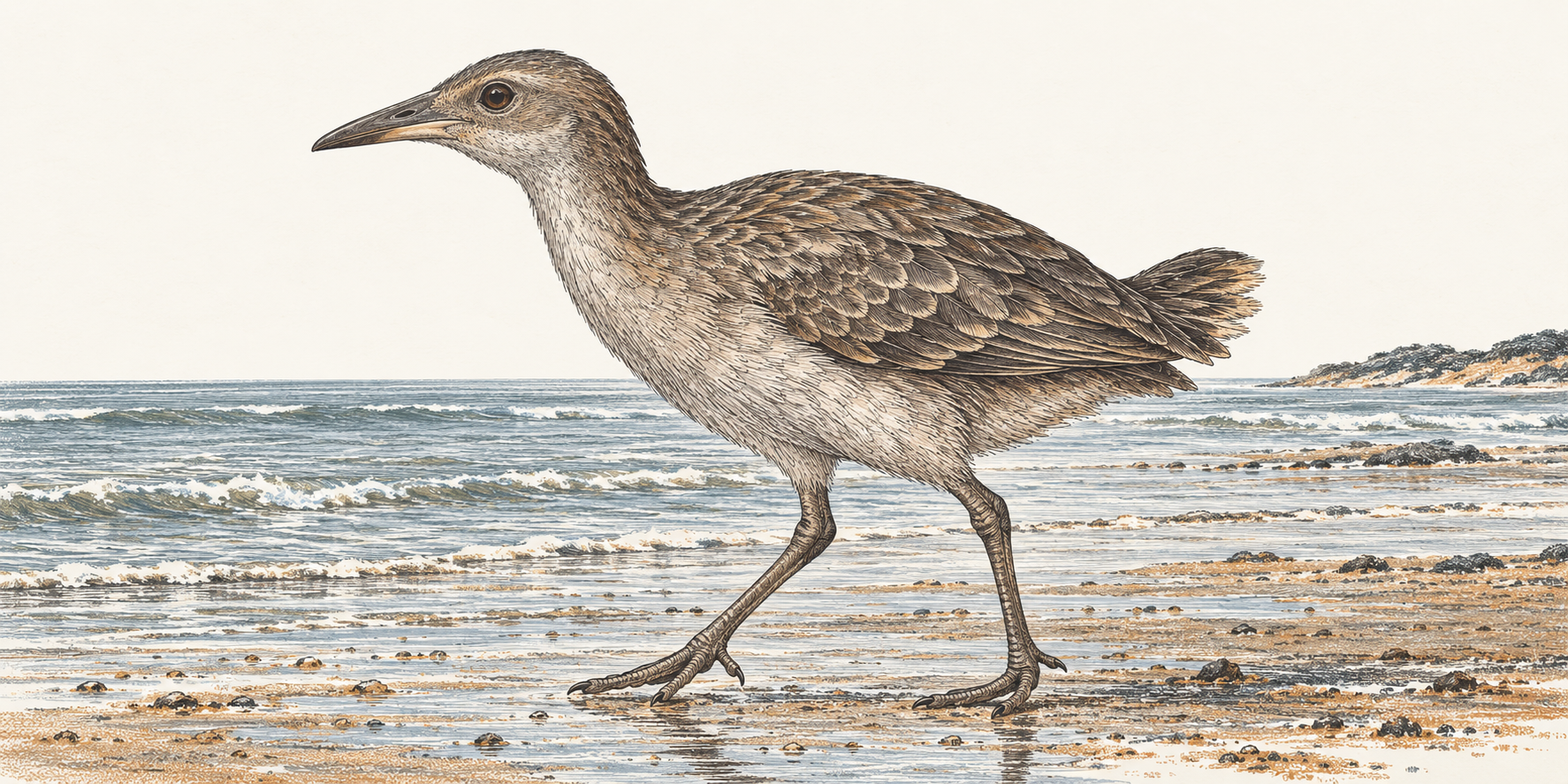
Early birds: Wonderchicken and the origins of modern birds
Wonderchicken brought the deep history of ducks and gamebirds into focus. New skulls, longer legs and Arctic hatchlings are changing the picture of early birds.
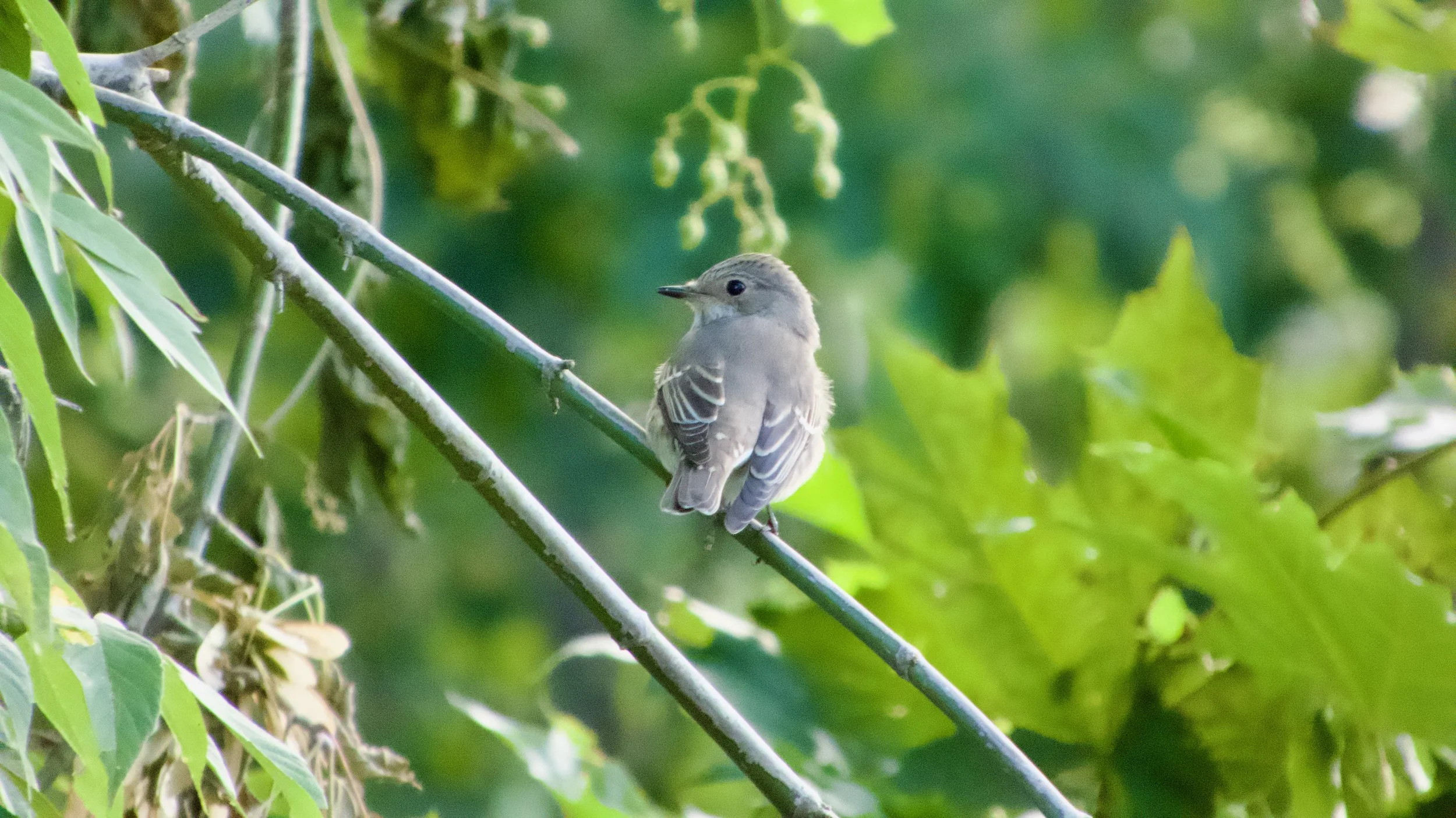
Photography as Field Evidence: Identifying a Young Spotted Flycatcher
A distant flycatcher appeared only briefly on a dark, rainy day. Three soft photographs taken in Auto mode preserved its crown, wing and tail well enough to test an initial Red-breasted Flycatcher impression and support identification as a young Spotted Flycatcher.
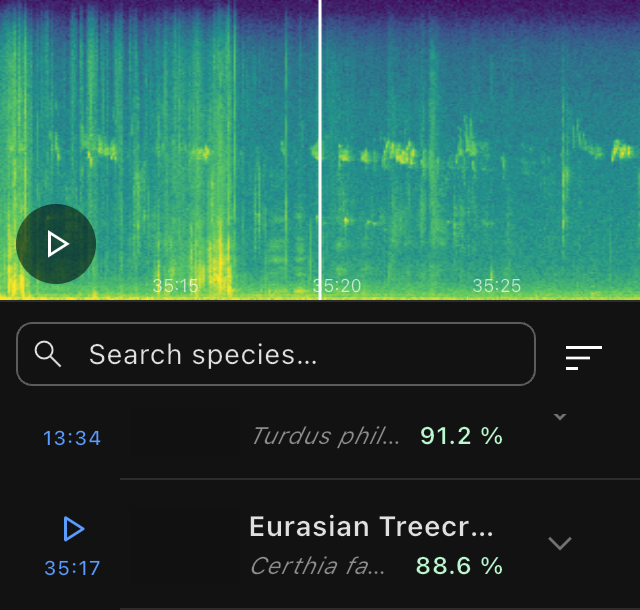
BirdNET Live Review: Professional Bioacoustics for Your Local Patch
BirdNET Live places continuous acoustic analysis, point counts, walking surveys, scheduled recording and research-compatible exports on a phone. This formal review examines how patch birders can use it for repeat monitoring, how its filters affect accuracy and where human checking remains essential.
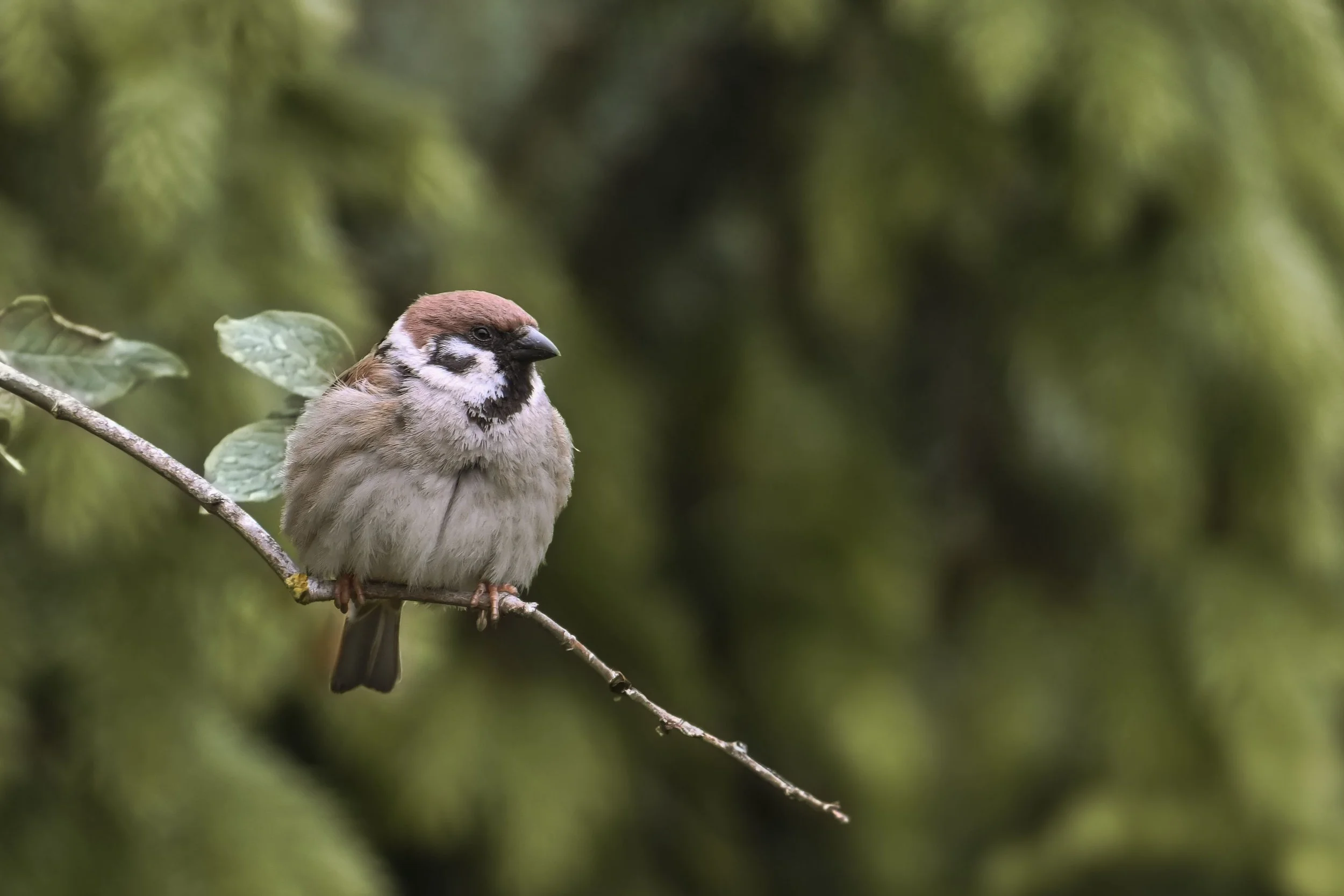
Tree Sparrow vs House Sparrow: How to Tell Them Apart
Tree and House Sparrows are easiest to separate by the head. This evidence-led guide explains juvenile Tree Sparrows and female and juvenile House Sparrows, while showing why size and habitat should remain supporting clues. It also covers the rare male Spanish Sparrow.
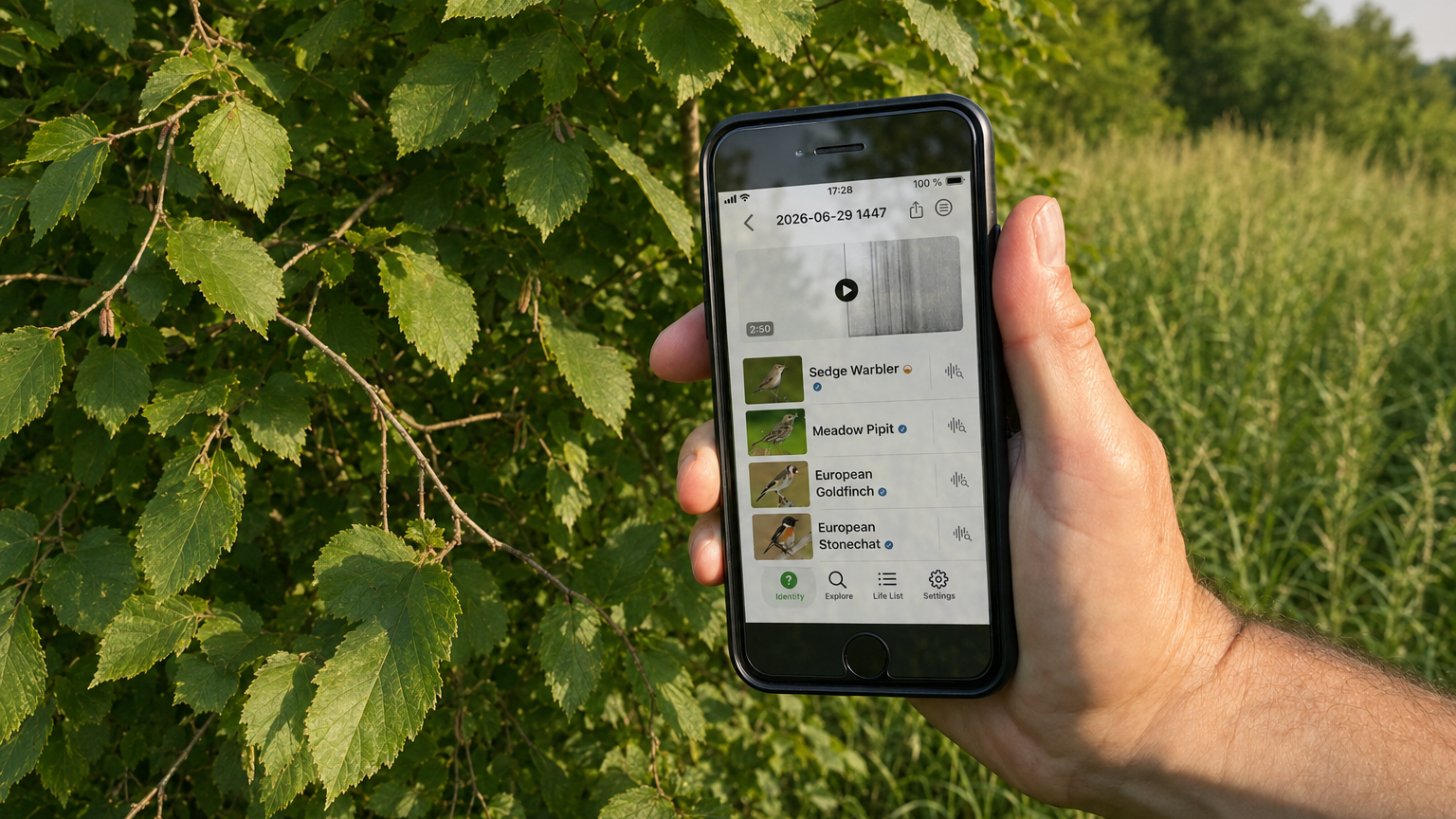
Can You Trust Merlin Sound ID? How to Decide Which Identifications to Believe
Merlin Sound ID can alert you to a bird before you recognise its call, but the name on the screen is only a suggestion. This practical guide explains how to check the recording, judge unusual results and avoid letting the app shape what you think you are seeing.

North Norfolk Birding in Autumn: A Long Weekend on the Coast
Stay in Wells, Cromer, Hunstanton or one of the smaller coastal villages, make Cley or Titchwell the anchor, then let autumn bird reports, wind and tide shape the rest of the weekend.
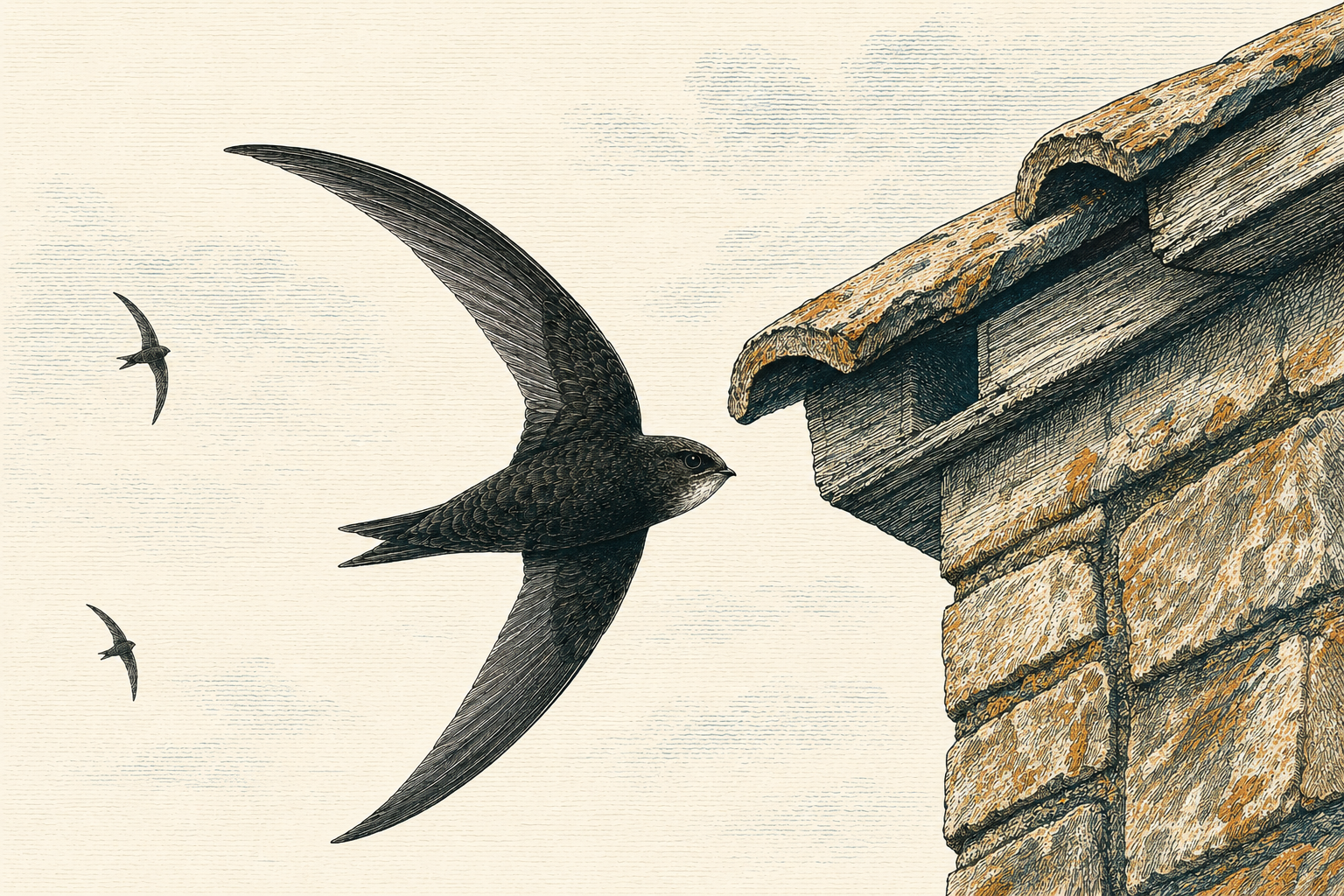
The Close Pass: Why Swifts Fly at Nesting Walls
More than 30 Swifts gathered around an established nesting house, with young-looking birds repeatedly turning towards entrances and empty gaps. The close passes suggested prospecting, but also resembled the little-understood behaviour known as “banging”.
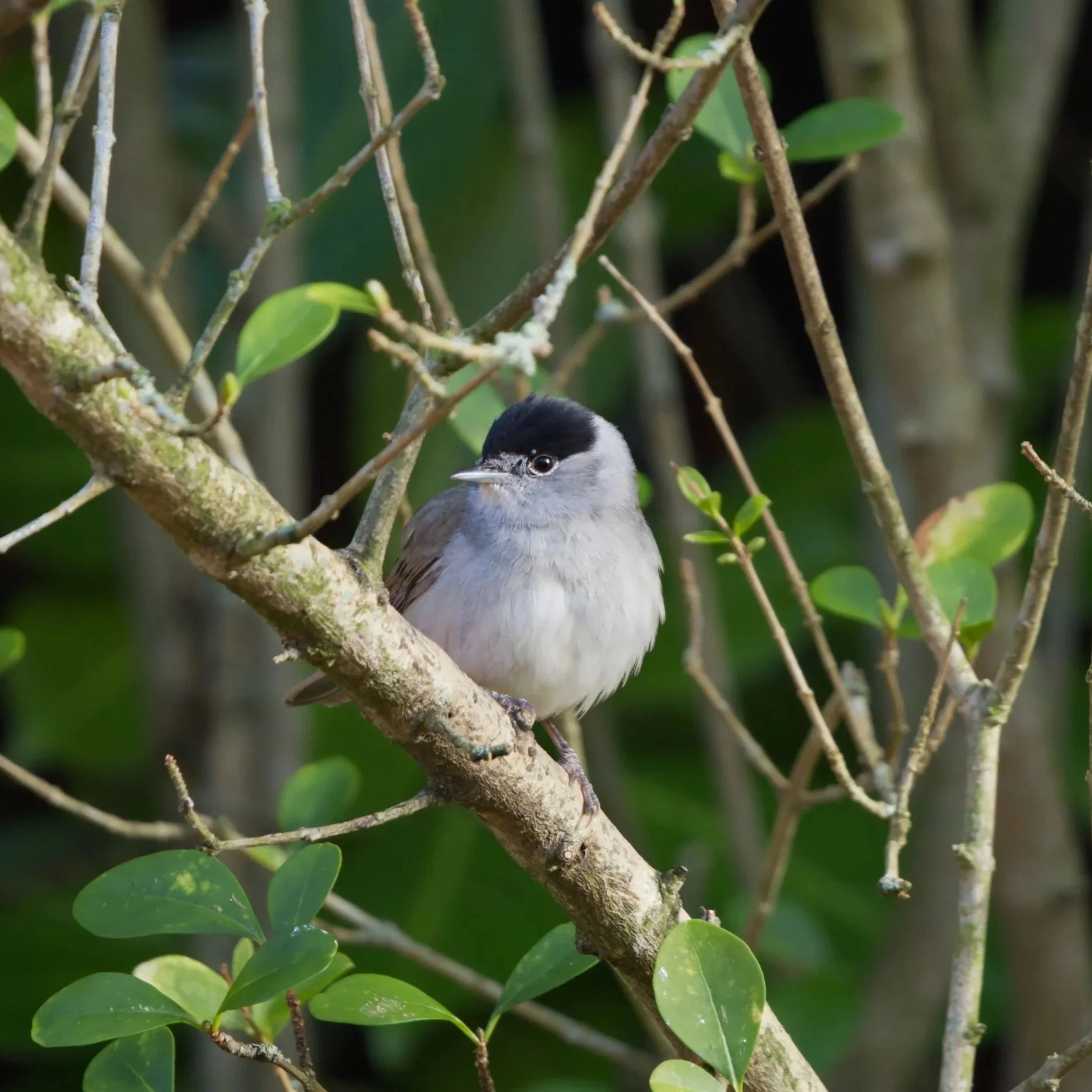
Why Blackcaps Now Spend Winter in Britain
Why do Blackcaps now spend winter in Britain instead of migrating to southern Europe? Discover how bird ringing, genetics and garden feeding have revealed one of the most remarkable examples of rapid evolution in a wild bird—and what it tells us about migration and climate change.
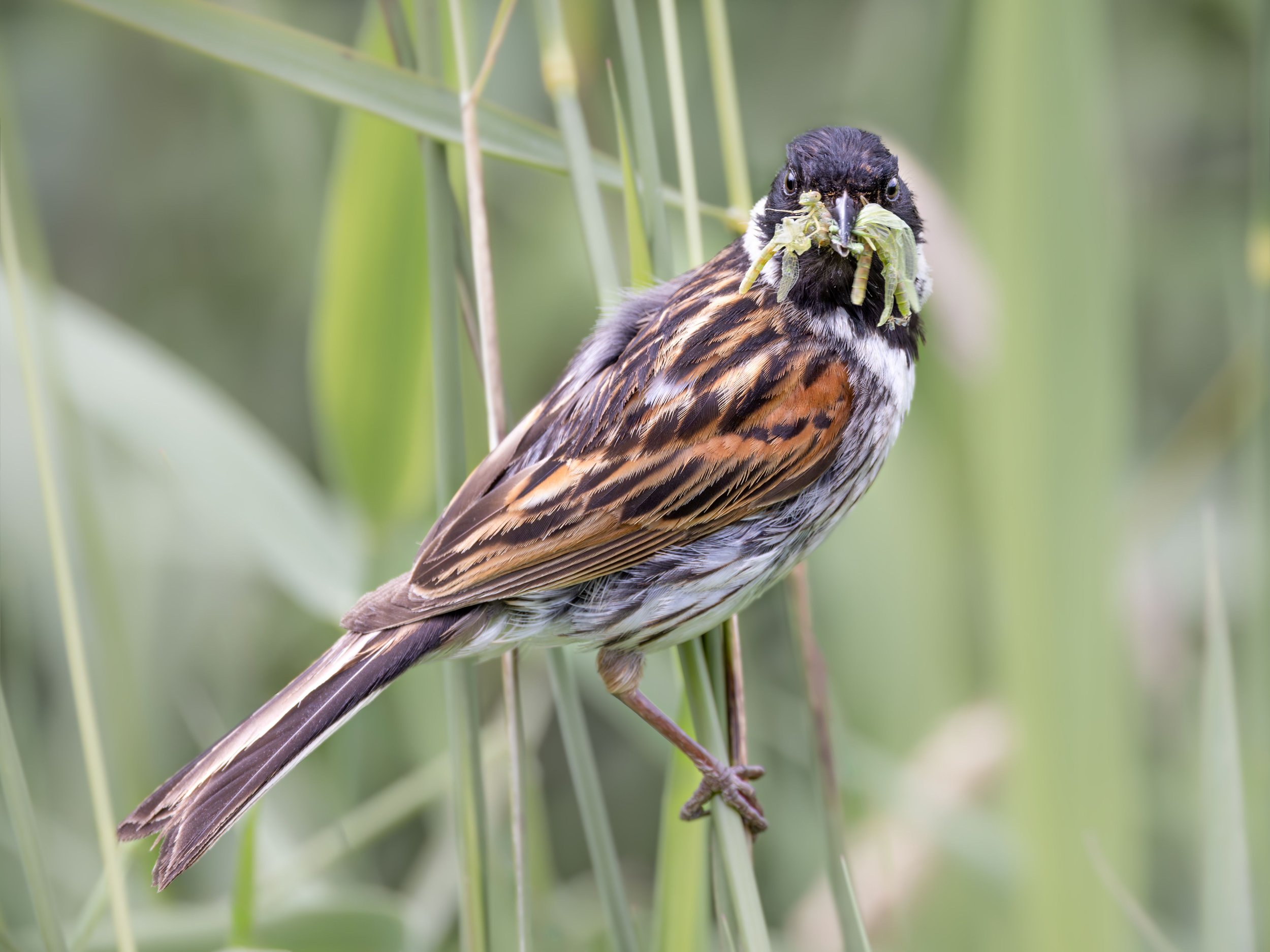
Why Do Birds Sing at Dawn?
Discover why birds sing at dawn and what the dawn chorus really means. Exploring the latest research on Reed Buntings, bird song, female choice and extra-pair mating, this evidence-based guide reveals how modern science is reshaping our understanding of one of nature's greatest spectacles.
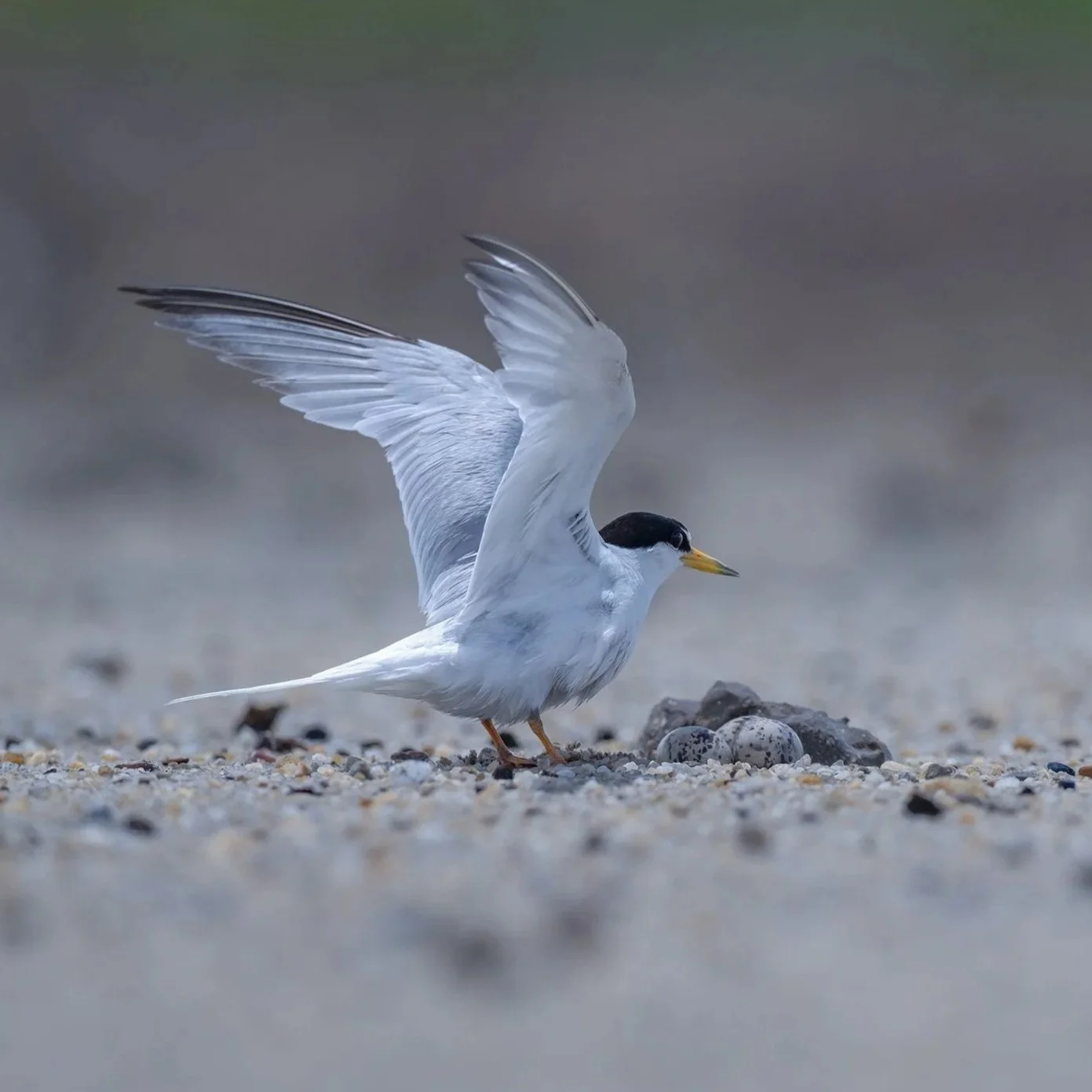
Little Terns at Blakeney Point: How the Colony Is Protected
Blakeney Point held 142 pairs of Little Terns in 2025, which raised 120 fledglings—the site’s best result for several years. The breeding report shows why: wardening, closures, fencing, monitoring and predator control all matter, but none removes risk completely.
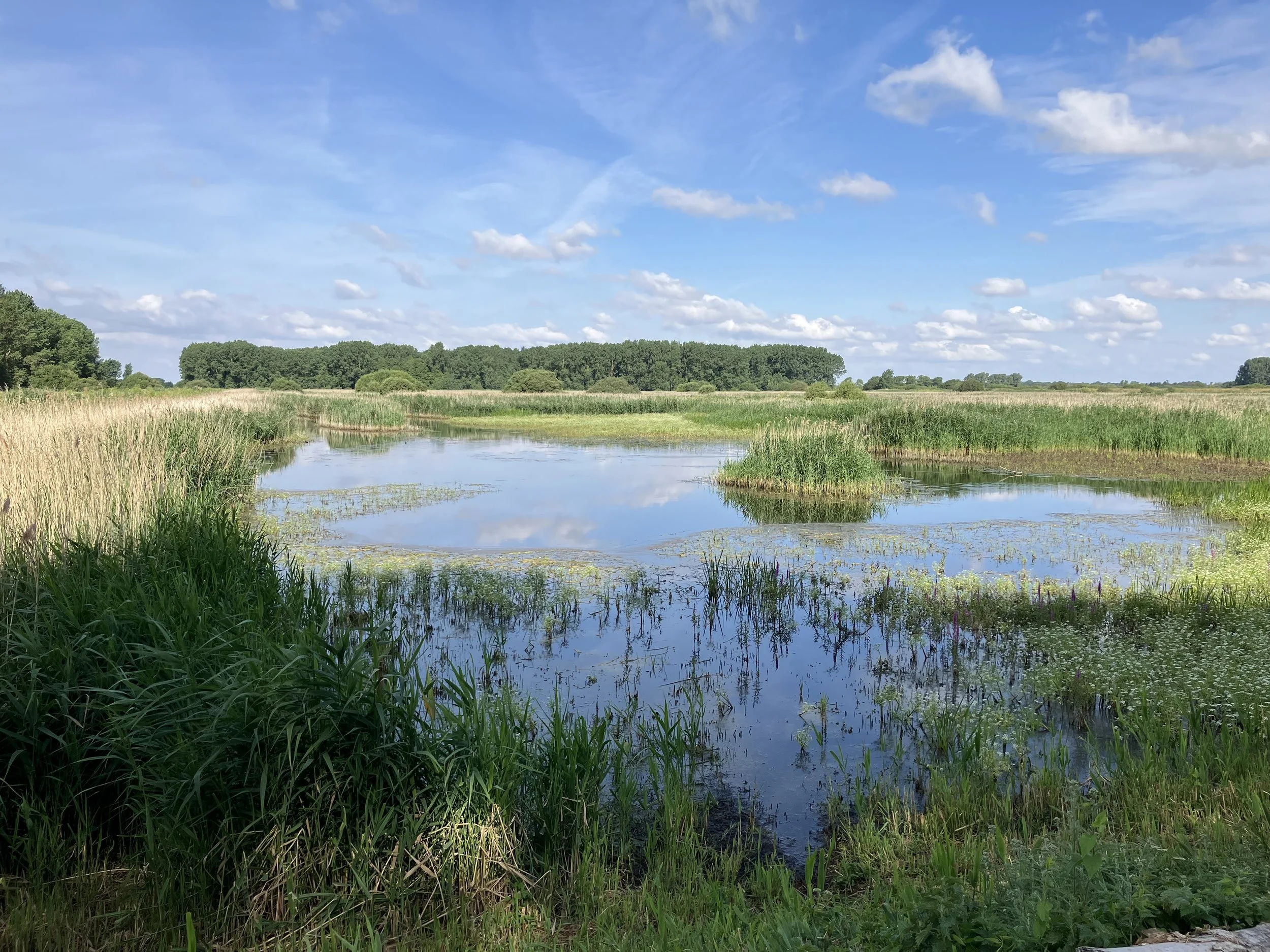
How Lakenheath Fen Was Created: From Farmland to Reedbed
Lakenheath Fen was designed as an inland refuge for Bitterns on drained arable peat. Its reedbeds, Cranes and new 120-hectare rewetting project show both the power of habitat creation and the continuing management it requires.
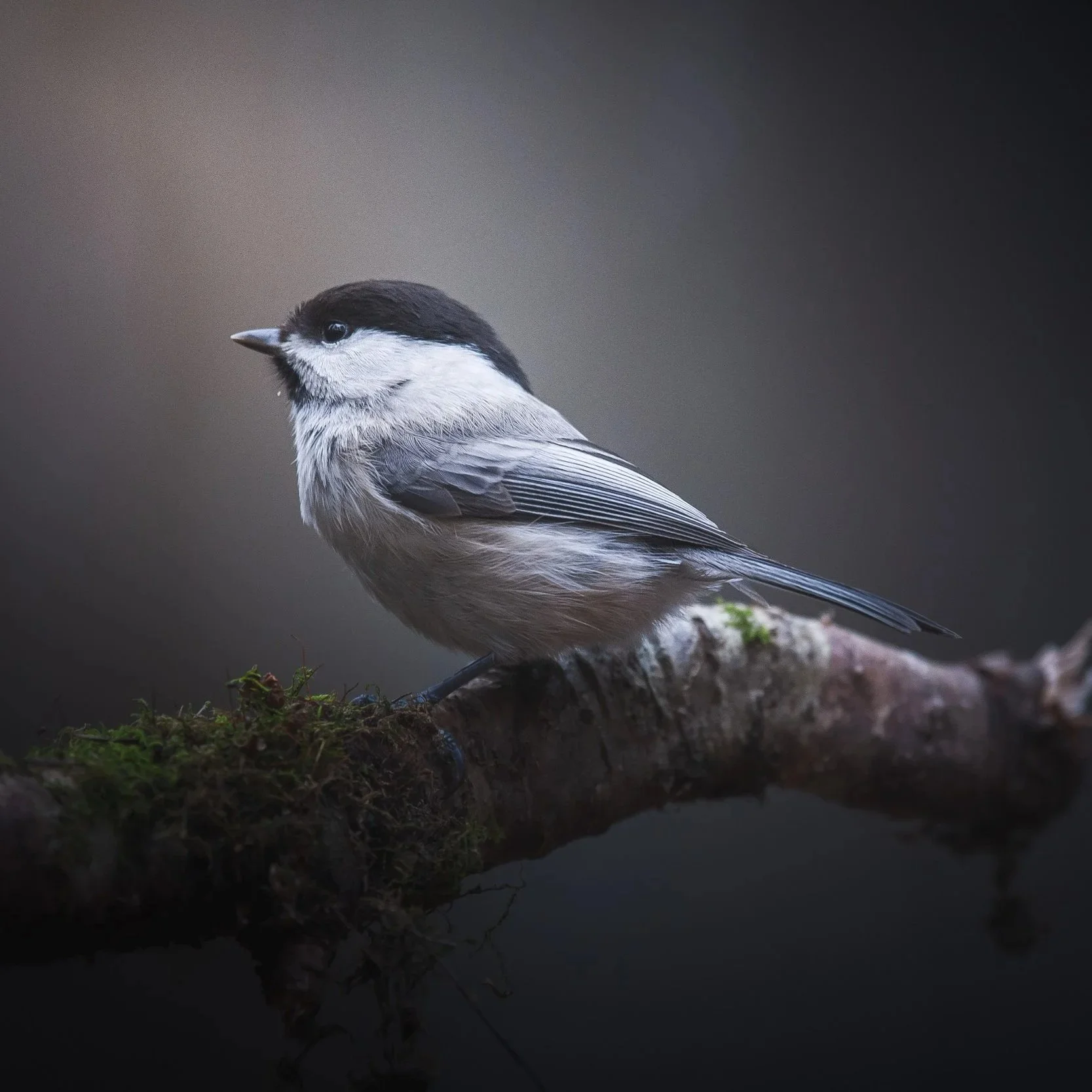
Marsh Tit or Willow Tit? Calls, Plumage and Habitat Compared
Calls provide the safest separation of Marsh Tit and Willow Tit, but a silent bird can sometimes be identified from the upper mandible and a combination of cheek, wing and habitat clues. This guide ranks the useful characters and the common traps.
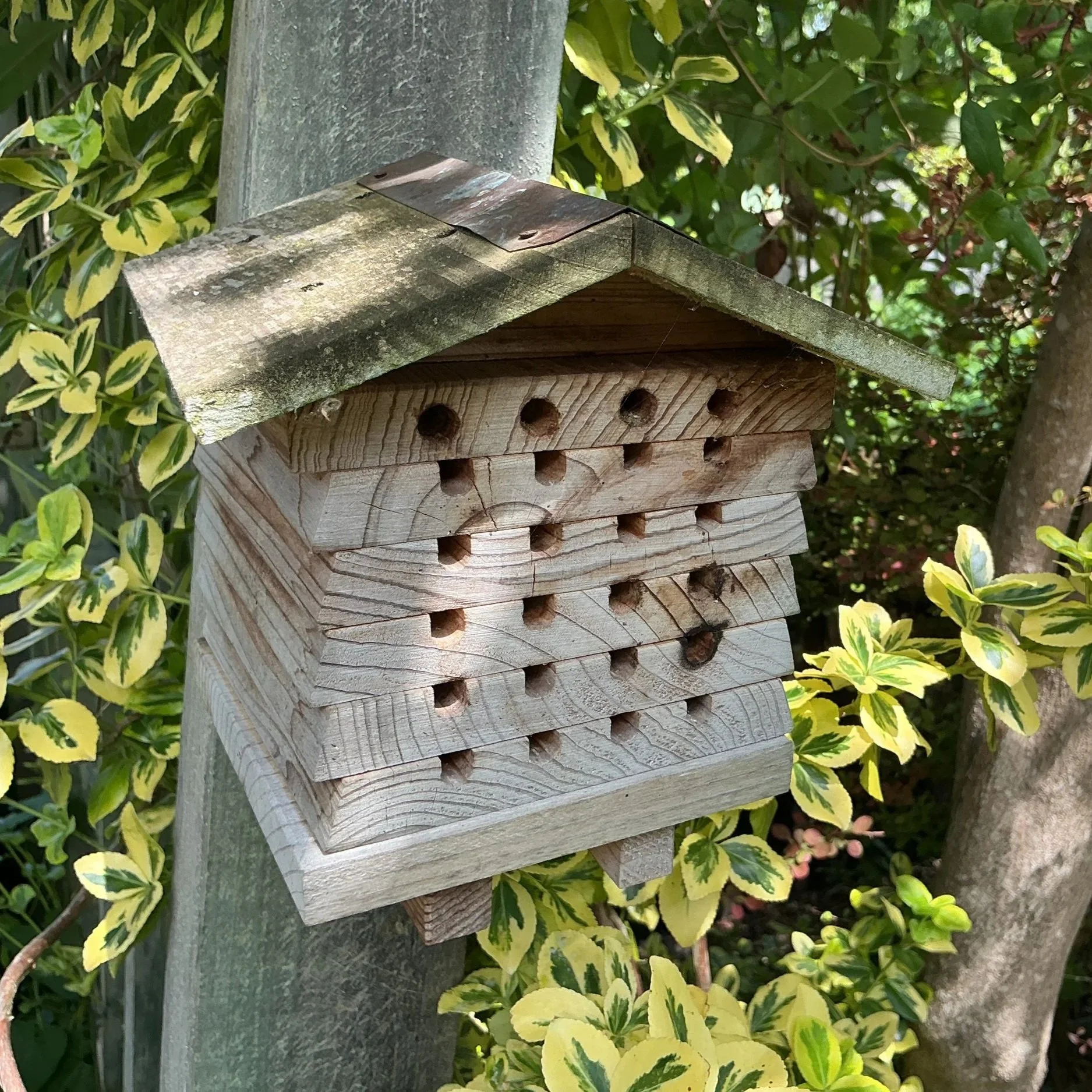
Beyond the Bug Hotel: Do Bug Hotels Really Work?
Bug hotels can provide nesting sites for some cavity-nesting bees and wasps, but research has not established that they increase wild-bee populations. This article examines the Toronto bee-hotel study, the risks of poor design and why food plants, dead wood and varied habitat matter more.