
Birding Articles
Field notes, identification, migration and conservation in Britain, with emphasis on East Anglia.
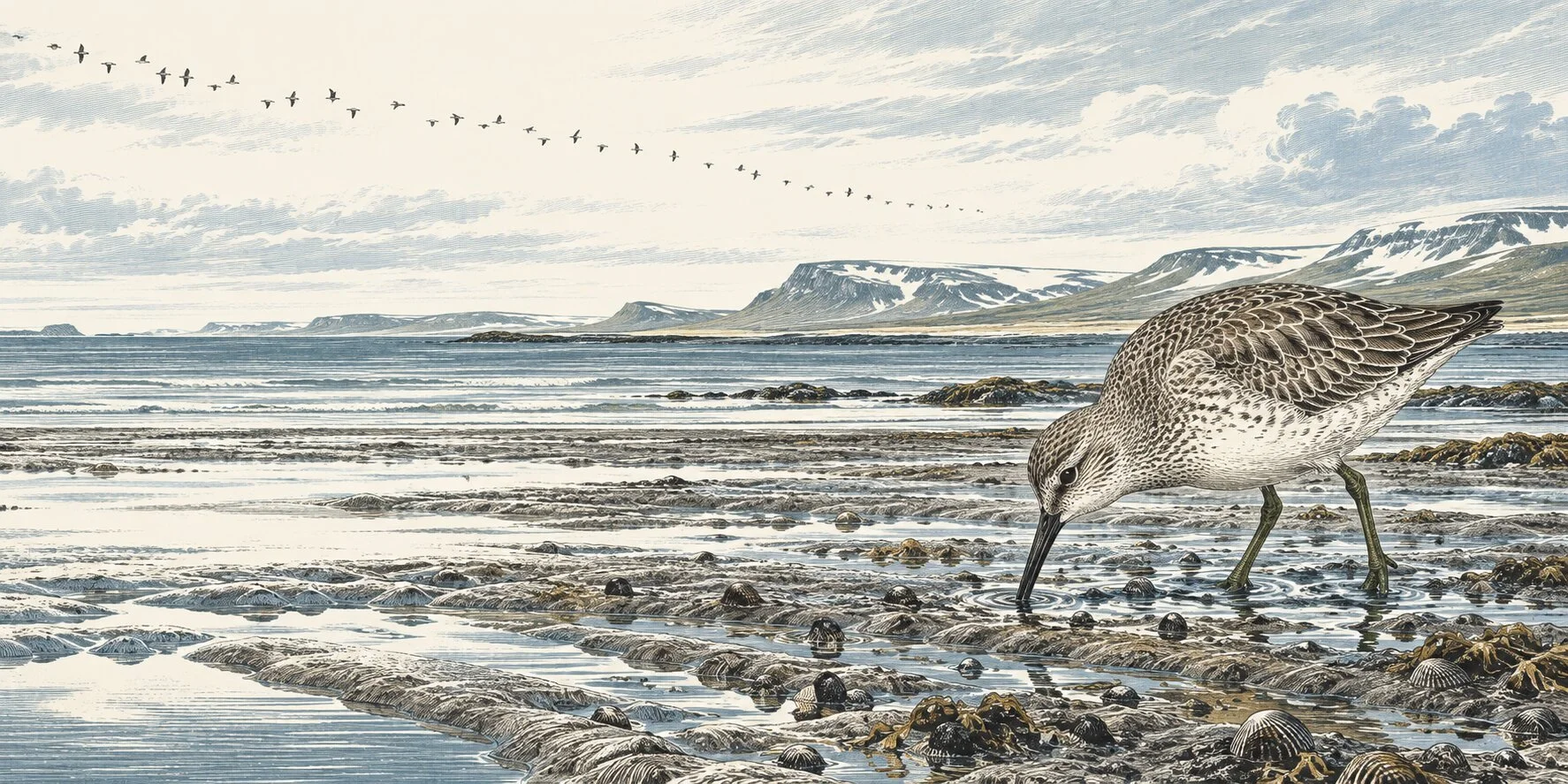
Arctic waders: why conservation must follow the whole journey
A study of Siberian-breeding Knots found that conditions during their first Arctic summer could affect their ability to feed months later in West Africa. Sanderling research adds a vital qualification: the timing of a food peak matters less than how much food remains and for how long. Together, the studies explain why migratory bird conservation must follow the whole journey.

Little Terns at Blakeney Point: How the Colony Is Protected
Blakeney Point held 142 pairs of Little Terns in 2025, which raised 120 fledglings—the site’s best result for several years. The breeding report shows why: wardening, closures, fencing, monitoring and predator control all matter, but none removes risk completely.

How Lakenheath Fen Was Created: From Farmland to Reedbed
Lakenheath Fen was designed as an inland refuge for Bitterns on drained arable peat. Its reedbeds, Cranes and new 120-hectare rewetting project show both the power of habitat creation and the continuing management it requires.

Beyond the Bug Hotel: Do Bug Hotels Really Work?
Bug hotels can provide nesting sites for some cavity-nesting bees and wasps, but research has not established that they increase wild-bee populations. This article examines the Toronto bee-hotel study, the risks of poor design and why food plants, dead wood and varied habitat matter more.