
Little Terns at Blakeney Point: How the Colony Is Protected
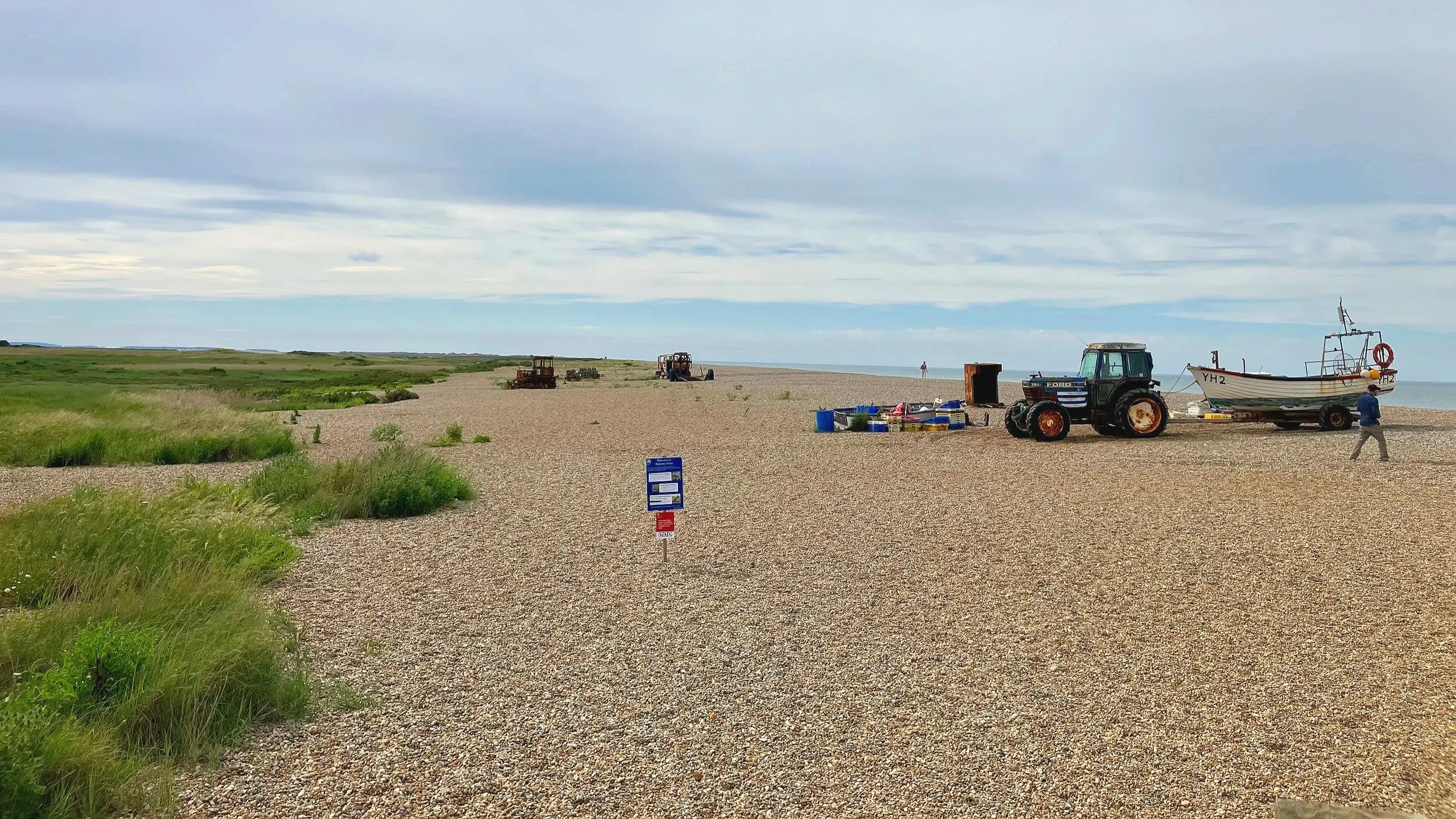
Blakeney Point viewed from Cley Beach.
The 2025 breeding report for Blakeney Point counted 142 pairs of Little Terns and 120 fledglings. This was the highest number of breeding pairs achieved since 2021 and the most chicks raised since 2020.
During a walk from Cley Beach in late July, I saw many adult Little Terns flying low along the shore with small fish, whilst Ringed Plovers could be seen moving across the shingle. Some Little Terns had already fledged by then, but the breeding season continued through July and August. Much of what visitors could see from the public path was possible because of work happening behind the scenes.
A strong breeding season, not a solved problem
The 2025 numbers were much higher than the ten-year average of 96 breeding pairs from 2015 to 2024. Productivity reached 0.85 fledglings per pair, which was a big improvement over 2023, when 96 pairs raised at least 49 fledglings. However, it was still lower than the outstanding 2020 season, when 154 pairs raised 201 young.
It’s important to keep the national situation in mind. According to the RSPB, Little Tern numbers in England have gone up by 6.7% since 2019, but overall numbers are still 39% lower than in the 1980s. The BTO’s latest report estimates 1,450 breeding pairs in the UK for 2013 to 2017 and shows that their breeding range has shrunk. A good year at several protected colonies is a positive sign that active management helps, but it does not mean the species is fully recovered.
Why the colony needs active protection
Little Terns lay two or three eggs in shallow scrapes on open sand or shingle. While this open habitat helps camouflage the eggs, it also leaves them at risk from flooding, predators, and disturbance. If adults are scared off their nests too often, they lose time for feeding and incubation, and their eggs and chicks are left more exposed to the weather and predators.
Blakeney Point may be remote, but it still faces human disturbances. In 2025, about 60 incidents were recorded, with 30 causing visible disturbance to birds or seals. Of the 22 incidents during the breeding season, 15 disturbed birds. Most problems were caused by people entering restricted areas, with dogs, boats landing where access was closed, and even low-flying aircraft.
In 2025, weather and high tides caused little direct harm to the Little Tern colonies, which was more a matter of luck than control. Managers can try to limit disturbance and some predators, but they cannot stop a storm surge from flooding a low-lying nesting beach.
What the protection involved in 2025
In early May, four Little Tern enclosures were set up—two near the Watch House and two on Far Point. Electric wires were used to keep ground predators away, and rope-and-pin fences kept visitors out of nesting areas. Far Point was closed to the public during the breeding season, and dogs were not allowed on Blakeney Point from April 1 to mid-August. Rangers patrolled the reserve, and volunteers helped monitor the Watch House colony and explain the rules to visitors.
The fencing helped, but the report makes it clear it was not a perfect solution. Shingle is hard to anchor electric fences in, and wind, plants, and shifting sand made some sections less effective. Only 42 nests, or 30% of the total, were inside an electric fence. Most Far Point nests were outside the electric fences but still within rope-and-pin enclosures and the larger closed area.
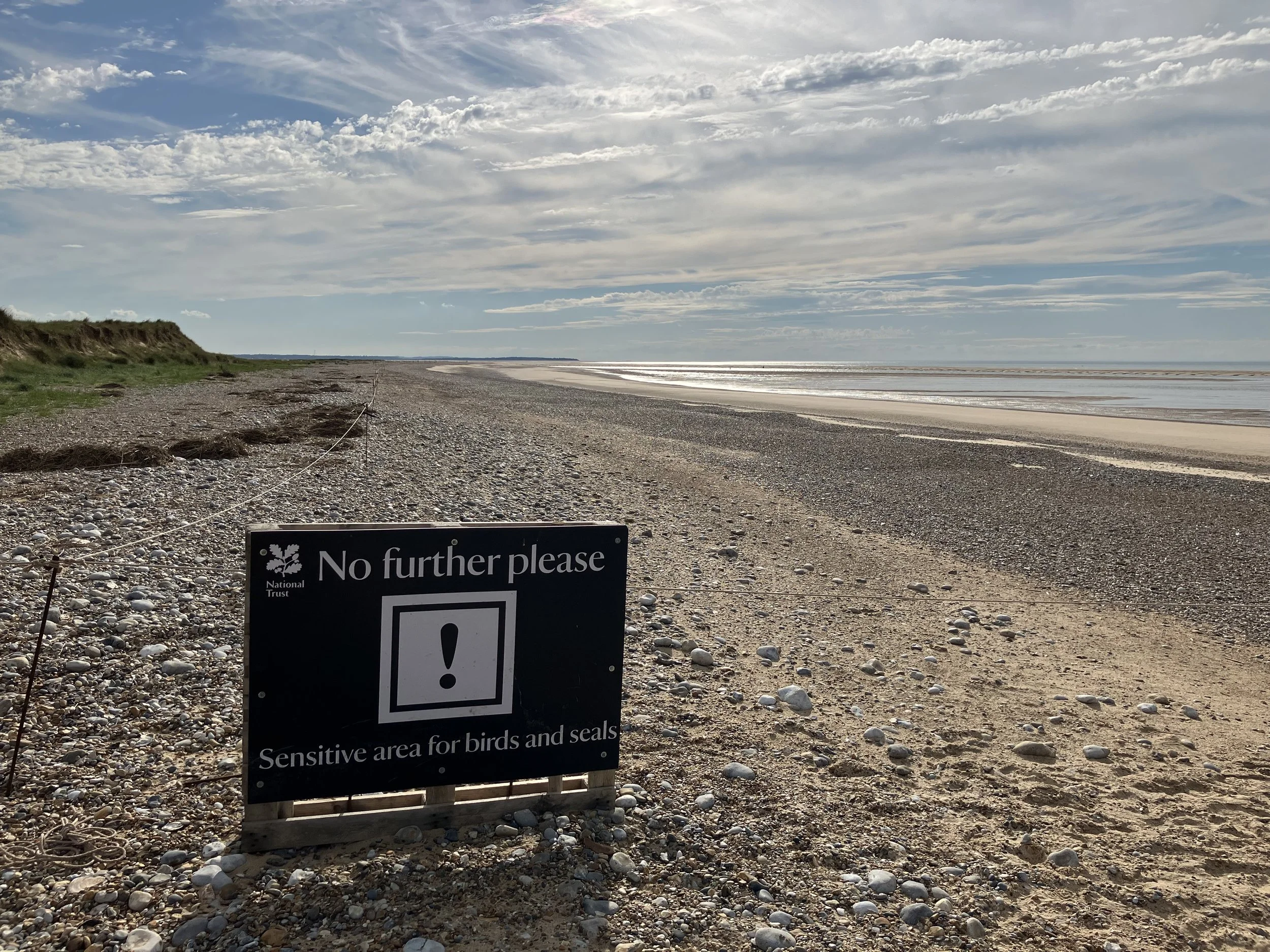
National Trust “No further please” sign marking a sensitive area for birds and seals on Blakeney Point
Trail cameras were used to spot predators and check on individual nests. Predator management included licensed fox control and trapping or baiting for rats and other ground predators. These less visible actions are part of the official management record and show that the results cannot be explained by fencing and volunteer wardens alone.
Some methods are still being tested. Chick shelters were put in areas with little vegetation, but the report found little evidence that Little Tern chicks used them. It is important to record these results because good conservation relies on testing new ideas and changing or stopping those that do not work.
Predation remained the main pressure
In 2025, Common and Herring Gulls were thought to be the main predators of Little Tern eggs or chicks. Some mammal predators were also detected, but monitoring did not show they caused major losses. In July, a male Marsh Harrier started hunting in the gull and tern colony, but more ranger patrols and placing canes to block its approach helped reduce the issue.
This difference matters. Just seeing a predator near a colony does not prove it caused a nest to fail, so control measures should be based on evidence, not guesses. Using cameras, marking nests, and doing repeated counts helps managers tell the difference between a suspected risk and a proven one.
Ringing connects the Point to a much larger coast
Colour ringing gives another way to measure success. One chick ringed at Blakeney Point in July 2023 was seen at Banc d’Arguin in Mauritania in November 2025. Four other birds ringed as chicks at Blakeney in 2023 were spotted at Beacon Ponds in East Yorkshire in summer 2025.
These records show things that fledgling counts cannot. The birds from Blakeney do not just leave the colony and vanish into national numbers. They use other sites along the British coast and spend the winter much farther south. Protecting the nesting beach is just the first step in a much larger process.
Seeing Little Terns at Blakeney Point
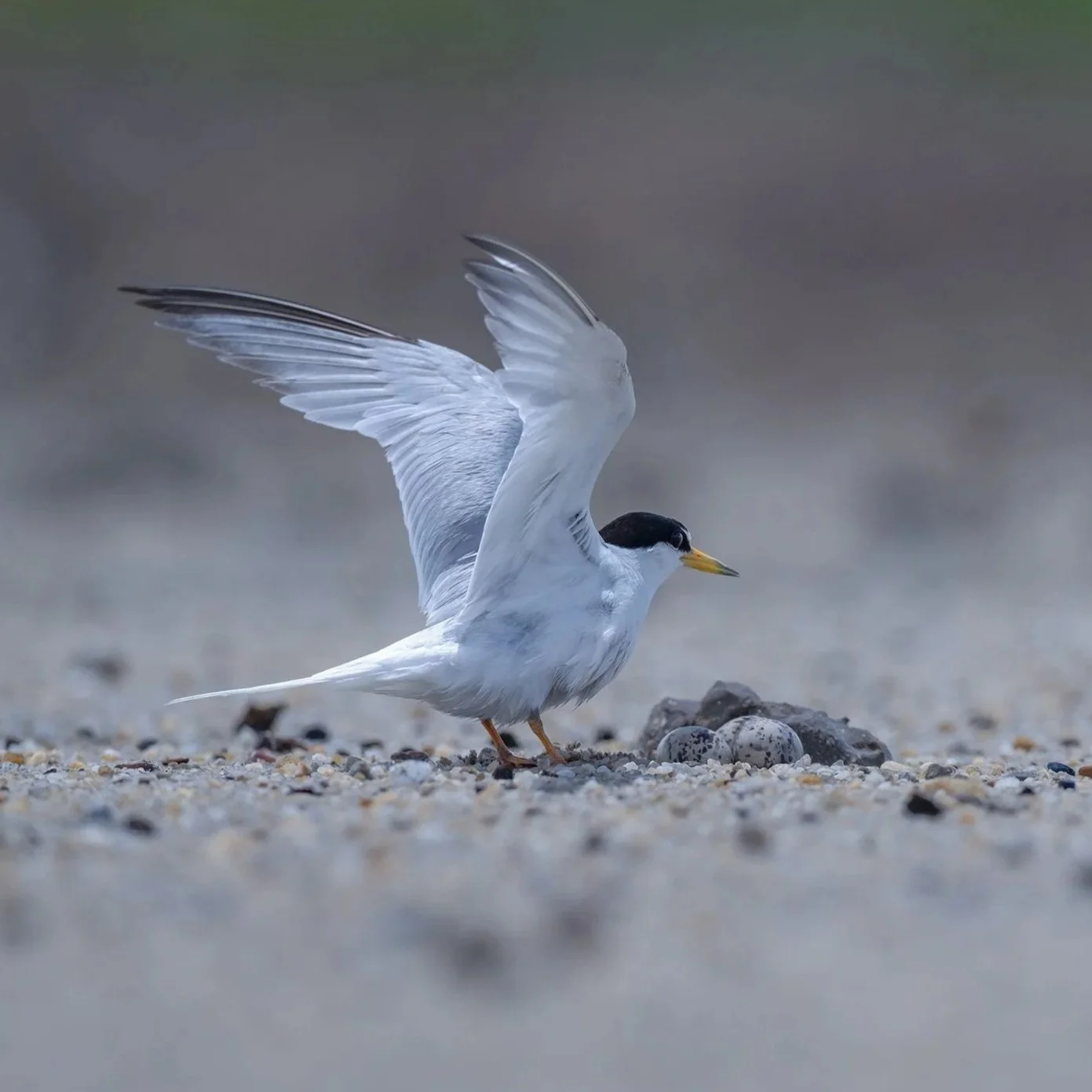
Little tern at nest
You can watch Little Terns feeding along the shore and crossing the public path without getting close to their nests. Breeding adults are smaller than other terns, with a white forehead and yellow bill. Their repeated plunge-diving near the shore is often the first sign to look for. During the breeding season, the fences and “No Further” signs are part of the conservation effort, not just advice for visitors.
The walk from Cley Beach is long and mostly over soft shingle. Our Blakeney National Nature Reserve guide describes the wider reserve, and it is a good idea to check the National Trust’s Blakeney Point page for up-to-date restrictions and route details before you go.
The 2025 numbers show what careful protection can achieve in a good season. They also make it clear that success is not due to just one fence, one lucky tide, or the absence of a single predator. At Blakeney Point, the colony survives because of ongoing monitoring and management that adapts as the birds, the beach, and the risks change.
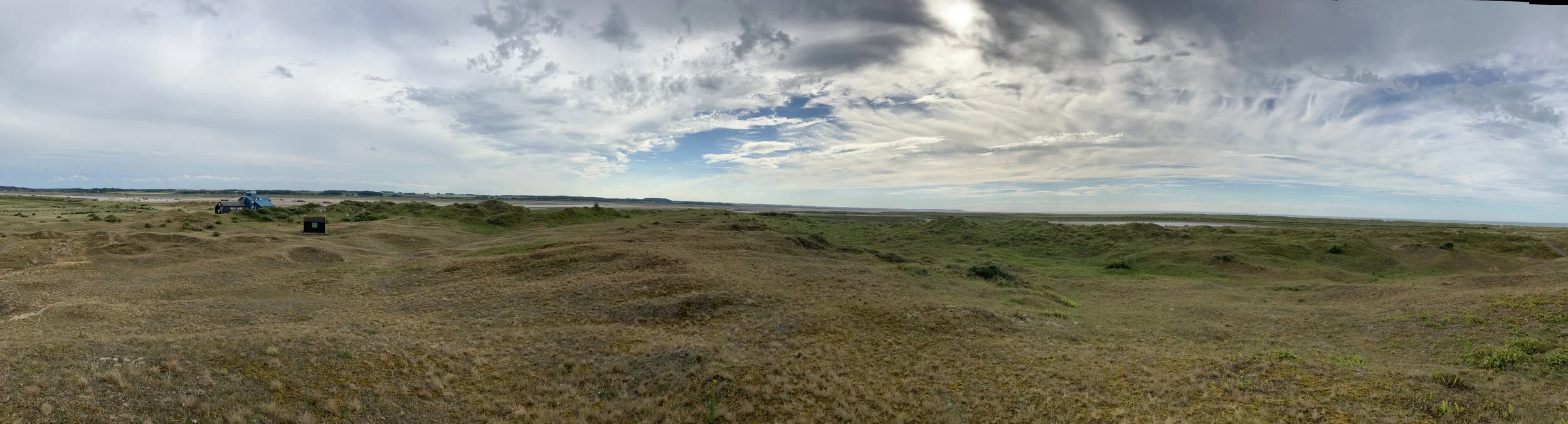
Blakeney point, visitors center to the left.
Visiting Blakeney Point
The National Trust provides practical information on access, seasonal restrictions, wildlife highlights and walking routes.