
Birding Articles
Field notes, identification, migration and conservation in Britain, with emphasis on East Anglia.
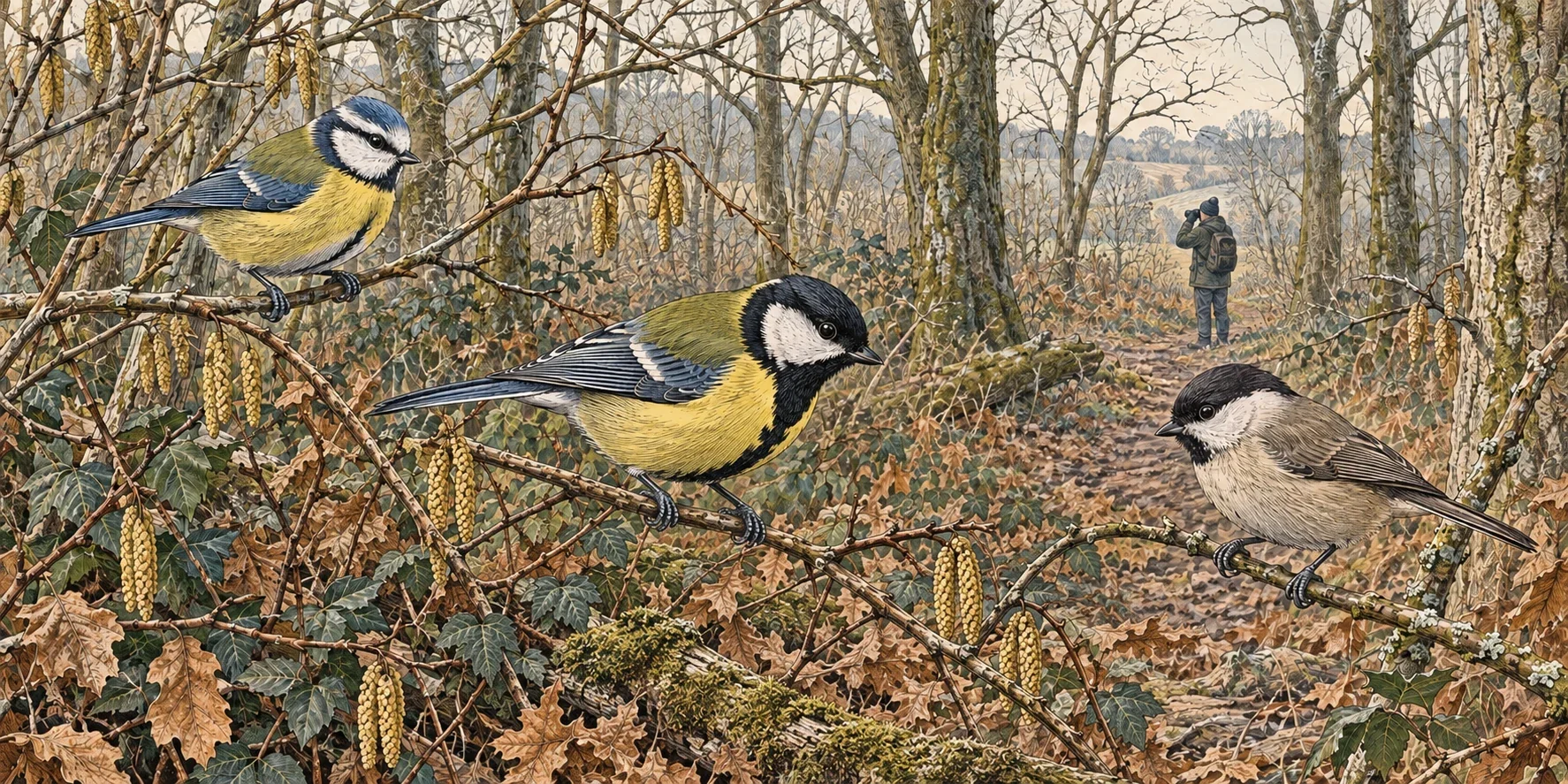
Patch Birding: What Regular Visits Teach You
A birding patch is a place you return to regularly. Getting to know its birds helps you learn their calls, track their behaviour, and notice seasonal changes. Accurate lists and counts also build a dated record that can contribute to research and local conservation.
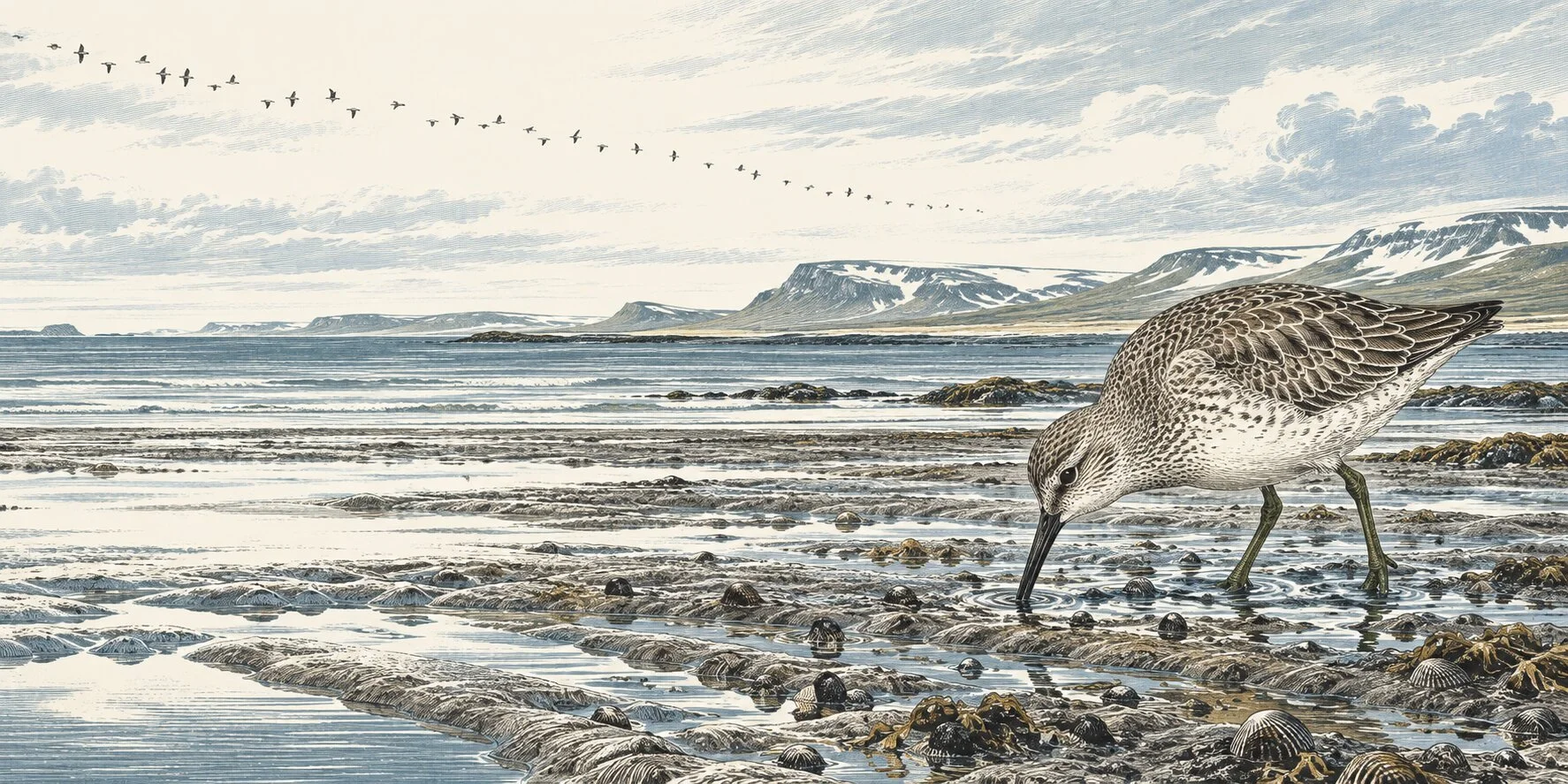
Arctic waders: why conservation must follow the whole journey
A study of Siberian-breeding Knots found that conditions during their first Arctic summer could affect their ability to feed months later in West Africa. Sanderling research adds a vital qualification: the timing of a food peak matters less than how much food remains and for how long. Together, the studies explain why migratory bird conservation must follow the whole journey.

BirdNET Live Review: Professional Bioacoustics for Your Local Patch
BirdNET Live places continuous acoustic analysis, point counts, walking surveys, scheduled recording and research-compatible exports on a phone. This formal review examines how patch birders can use it for repeat monitoring, how its filters affect accuracy and where human checking remains essential.

The Close Pass: Why Swifts Fly at Nesting Walls
More than 30 Swifts gathered around an established nesting house, with young-looking birds repeatedly turning towards entrances and empty gaps. The close passes suggested prospecting, but also resembled the little-understood behaviour known as “banging”.

Little Terns at Blakeney Point: How the Colony Is Protected
Blakeney Point held 142 pairs of Little Terns in 2025, which raised 120 fledglings—the site’s best result for several years. The breeding report shows why: wardening, closures, fencing, monitoring and predator control all matter, but none removes risk completely.