

North Norfolk Birding in Autumn: A Long Weekend on the Coast
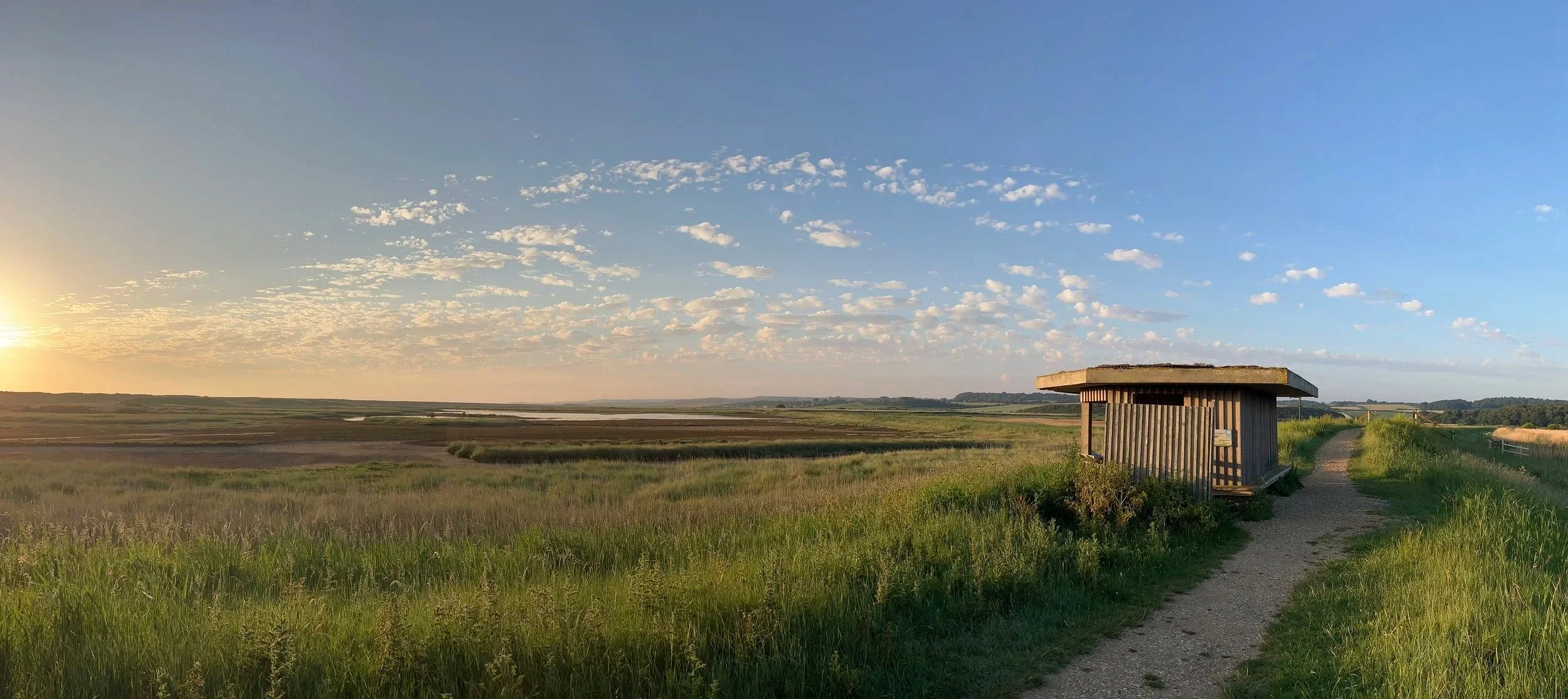
Richardson’s Lookout, Cley Marshes
An Autumn weekend in North Norfolk can be some of the best birdwatching available in the UK. In autumn, North Norfolk can bring passage waders, newly arrived geese, falls of migrants and, if the wind blows in the right direction, an absorbing seawatch. The exact mix changes from week to week. That uncertainty is part of the appeal, and the main reason not to plan every hour before leaving home.
Choose a place to stay in Wells-next-the-Sea, Cromer, Hunstanton or one of the villages between them. Try to give one full day to either Cley or Titchwell reserves, and leave the rest of the weekend open enough to accommodate recent sightings and the weather. You will see more birds by choosing the right area each morning than by trying to complete a fixed circuit.
A simple plan for a long weekend
Arrival afternoon: check in, then bird somewhere close to where you are staying.
First full day: make Cley or Titchwell the main destination. These are reliable destinations that rarely fail to impress.
Second full day: follow the most promising combination of bird reports, weather and tide.
You don't need to settle every detail in advance. One of the pleasures of staying on the coast is checking the reports over breakfast and seeing whether the day still looks as expected.
Where to stay
Where you stay determines which stretch of coast is easiest to reach. The distances look modest, but the A149 can be slow.
Wells-next-the-Sea is the most central choice. Holkham and Stiffkey are nearby, while both Titchwell and Cley remain practical full-day options. Choose Wells when you want to keep the whole coast open.
Cromer suits the eastern coast. It puts you in a good position for Sheringham, Weybourne, Kelling, Salthouse and Cley, particularly when migrant sites or seawatching are likely to shape the weekend.
Hunstanton suits the west. Titchwell, Thornham, Holme and Snettisham are all within easy reach, making it a good choice when a Wader Spectacular or western bird reports influence the plan.
The smaller villages put you closer to the birds. Titchwell, Thornham and Brancaster favour the west; Holkham, Burnham Market, Stiffkey and Blakeney cover the central coast; Cley, Salthouse and Weybourne suit the east. Hotels and inns may cost more and offer fewer rooms, but they reduce driving and make early or evening birding easier.
Make Cley or Titchwell the anchor
Cley and Salthouse Marshes and RSPB Titchwell Marsh are both strong places around which to build a day. Their mix of wetland, reedbed, coastal habitat and open sea means there is always another area to check when one part of the reserve is quiet.
At Cley, the freshwater and brackish marshes can hold a broad selection of waders and wildfowl, while the shingle ridge and sea add migrant and seawatching possibilities. Salthouse, Walsey Hills and Kelling can be added if reports point farther east.
Titchwell offers a similarly varied walk through woodland edge and reedbed to the freshmarsh, tidal marsh and beach. It combines naturally with Thornham, Holme or the western harbours, although a good fresh marsh or an active sea may easily hold your attention for the whole day.
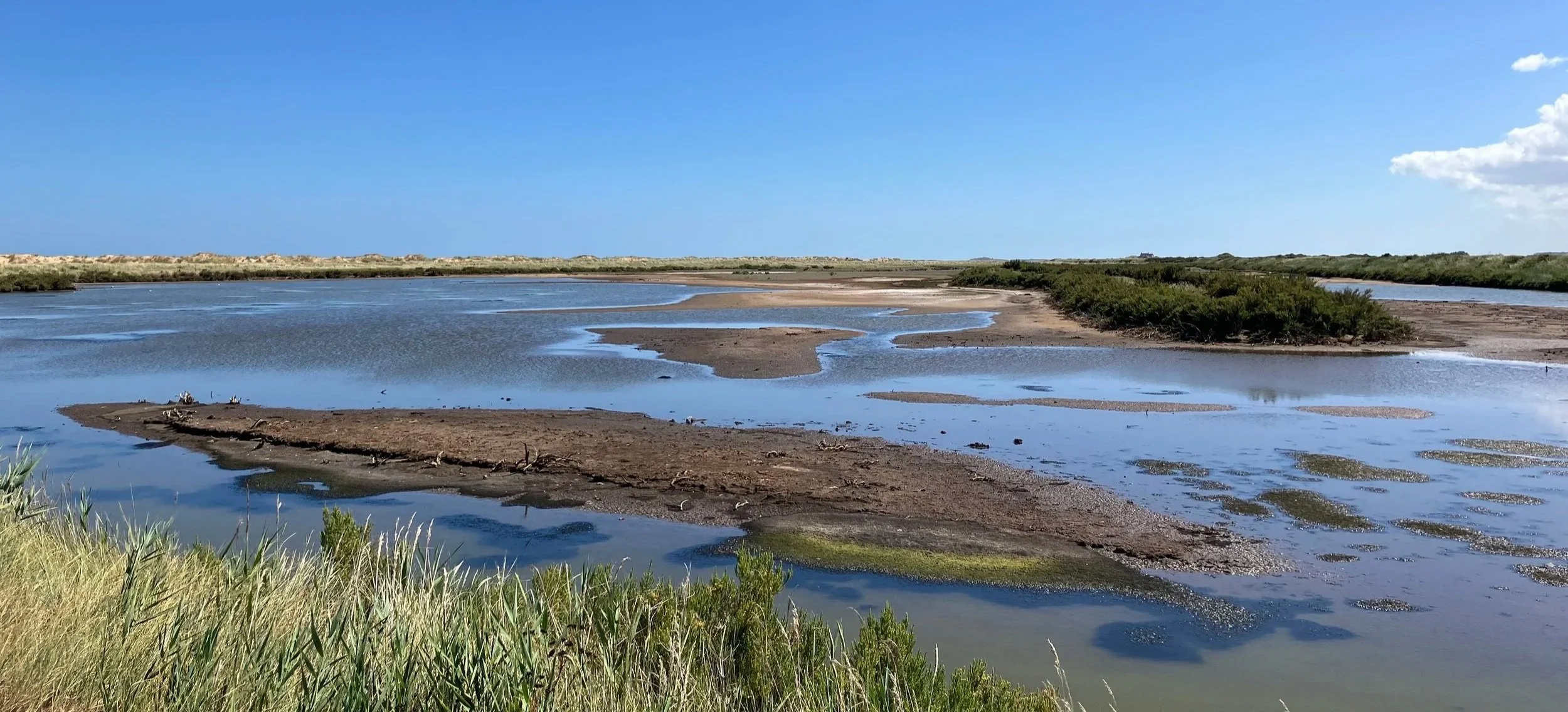
Titchwell, view across the freshwater marsh
Choose between the two shortly before travelling. Your hotel may make the decision obvious, but current birds can decide it just as easily. Neither reserve is a compulsory stop, and you shouldn't leave early just to keep an itinerary on schedule.
Let the latest reports shape the rest
Autumn tour itineraries are often left flexible because weather and new arrivals can change the coast overnight. The same approach works for an independent weekend. Check recent sightings before breakfast, look at the wind and rain, then choose one part of the coast rather than chasing isolated reports from end to end.
Cley Bird Club’s wildlife news covers the Cley square. Reserve updates and your usual county bird-news service can fill in the wider coast.
Western coast: Snettisham, Holme, Thornham and Titchwell.
Central coast: Burnham Norton, Burnham Overy, Holkham, Wells and Stiffkey.
Eastern coast: Cley, Salthouse, Kelling, Weybourne, Sheringham and Cromer.
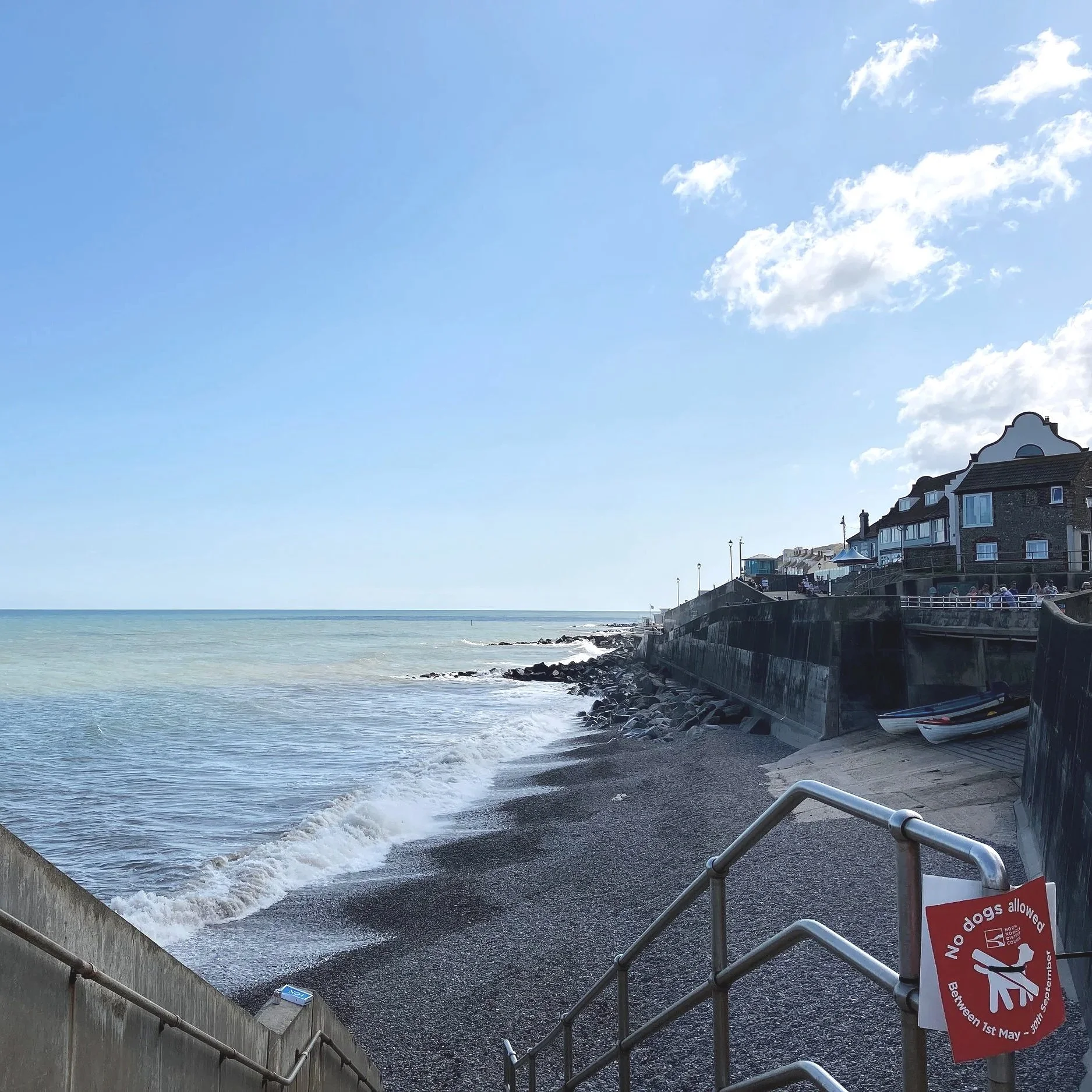
Sheringham Seafront.
An easterly airflow with rain or mist can bring migrants into woods, dunes and coastal scrub. A strong northerly or north-westerly may draw you towards Sheringham, Cley or another suitable seawatching point. When the weather offers little help, the scrapes and marshes at Cley, Titchwell and along the central coast still provide a full day of waders, wildfowl and raptors.
Early autumn: late August to mid-September
Early autumn has a character of its own. Waders are moving south, terns are still passing along the coast, and the final summer migrants have yet to leave. On the freshwater scrapes and tidal edges, common waders may be joined by Ruff, Greenshank and Spotted Redshank. Curlew Sandpiper and Little Stint are realistic possibilities in suitable years, but never automatic ones.
Wheatear, Whinchat and Yellow Wagtail bring movement to grazing marsh, dunes and open ground. After an arrival, Redstart and Pied Flycatcher may appear in coastal cover. Hirundines can gather over the wetlands before continuing south.
Use the arrival afternoon for a nearby reserve, harbour or seawatch. Give the first full day to Cley or Titchwell, then use the second for whichever stretch is holding the best waders or has received new migrants. If an official Snettisham spectacle date matches the weekend, let it take over one morning and continue elsewhere afterwards.
Main migration: mid-September to mid-October
This is the most changeable and eagerly anticipated part of the season. Passage waders remain, Pink-footed Geese begin to build, and arrivals of thrushes, finches, chats and warblers can transform a previously quiet stretch of coast. Yellow-browed Warbler or Wryneck is possible in the right weather, but neither belongs on a list of expected birds.
An easterly spell may pull the weekend towards Wells Woods, Holkham, Stiffkey, Warham, Burnham Overy or the eastern migrant sites. With a strong northerly, the sea may become the main event. In less helpful winds, the reserves continue to produce good wetland birding while you wait to see whether anything new is reported.
Keep Cley or Titchwell as the anchor, but allow the order of the days to change. A settled bird with straightforward access may shape the morning; equally, a productive scrape, wood or seawatch can be worth staying with while other birders hurry elsewhere.
Late autumn: mid-October to early November
Late autumn is not simply the tail end of migration. Geese, wildfowl and wintering waders give the coast a different scale, while fresh arrivals of thrushes, finches and Goldcrests can still fill the woods and scrub. Snow Buntings may begin to appear on beaches and shingle, and scarce migrants remain possible well into the season.
Cley and Titchwell are still dependable anchors, now with larger numbers of ducks and more of a winter feel. The flexible day might take you to the goose fields and marshes around Holkham and Wells, along the saltmarsh from Stiffkey westwards, or east to the seafronts when conditions favour seabird passage.
You don't need a rarity to make this version of the weekend work. A busy scrape, a line of birds moving offshore or Pink-footed Geese crossing the evening sky can provide the day’s strongest moments.
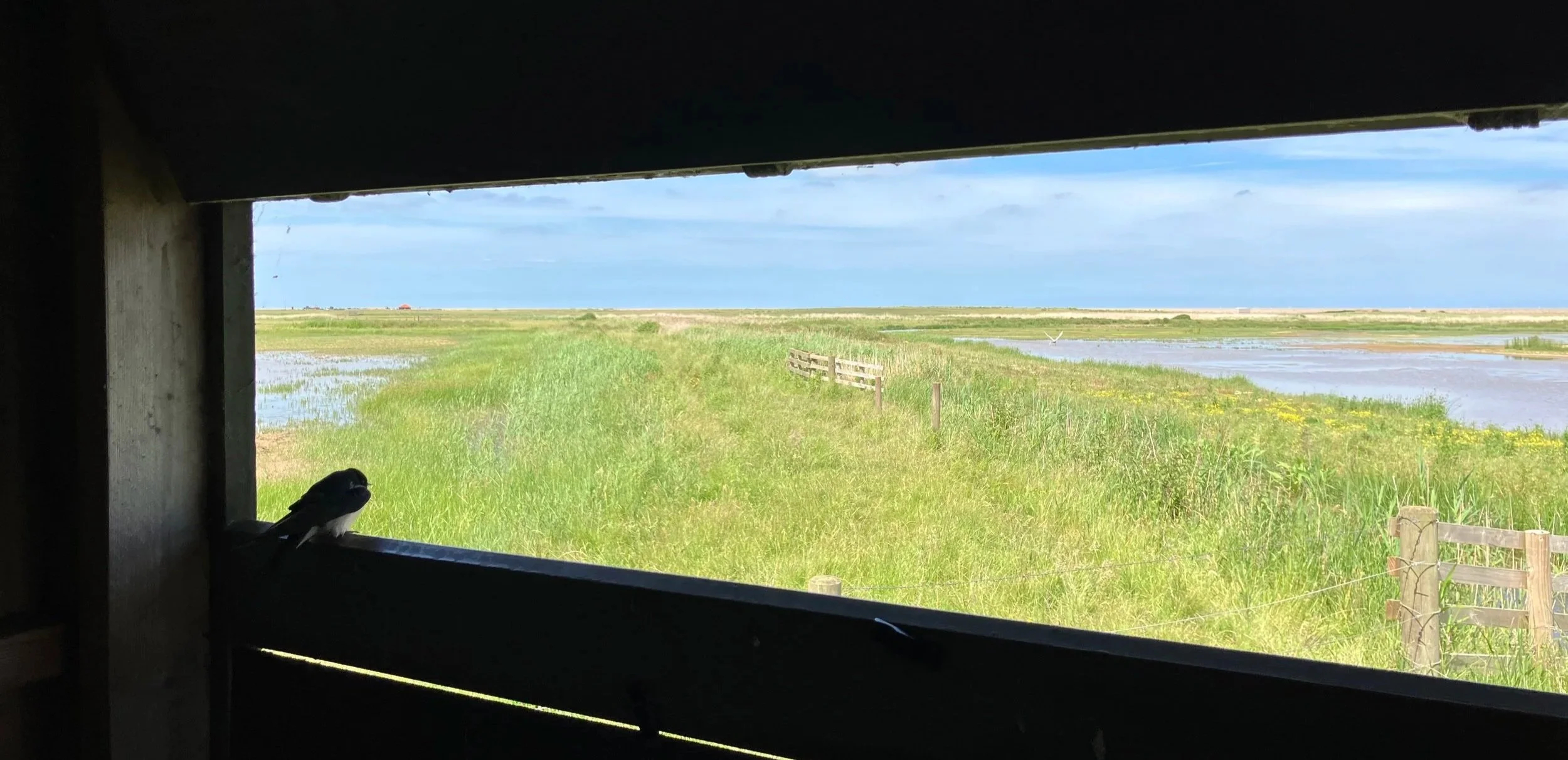
Teal Hide, Cley Marshes
Add Snettisham when the timing works
Treat Snettisham as a special event rather than an automatic stop. The great wader movements depend on the right combination of tide and daylight, and the walk to the main viewing area takes time.
Use the RSPB’s published Wader Spectacular dates rather than trying to interpret a general tide table. Parking must be booked for the listed spectacle dates. When the timing works, build the morning around it. When it does not, the rest of the north Norfolk coast offers plenty of reasons to return for a different weekend.
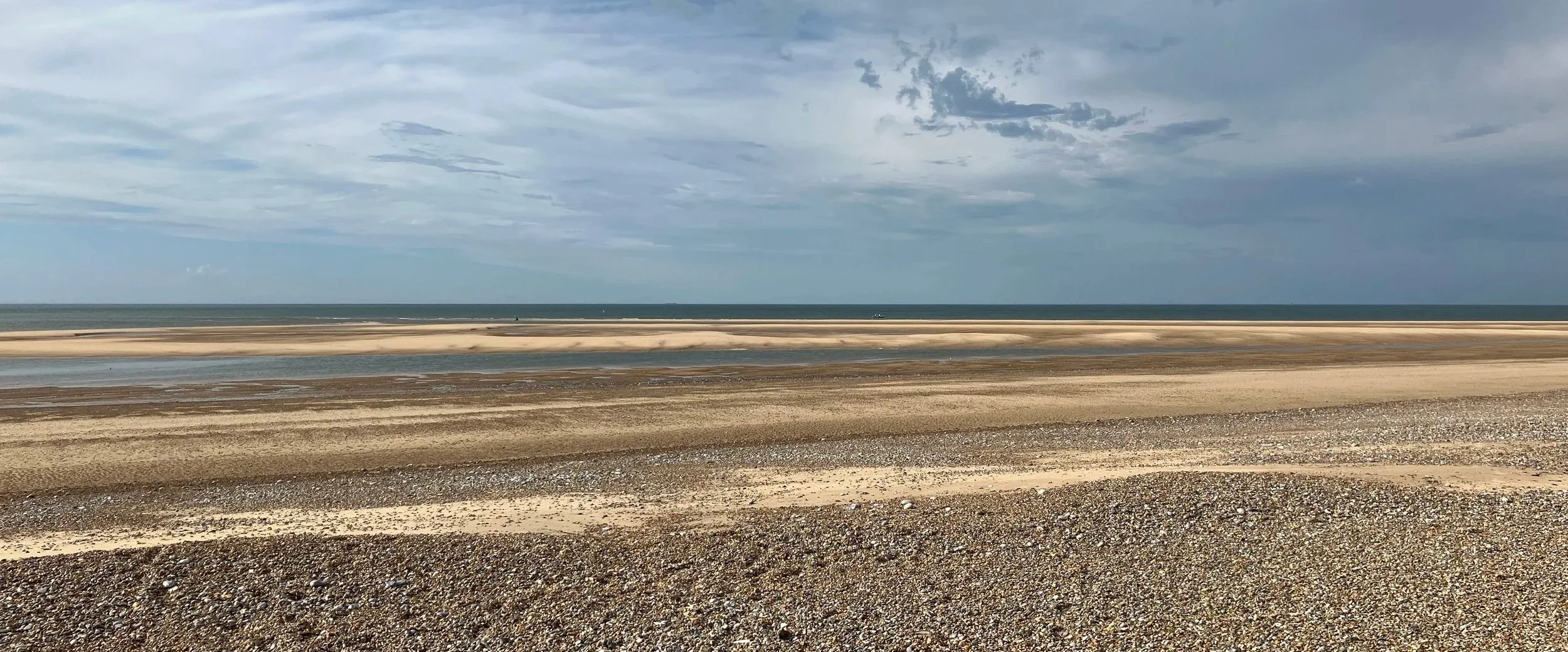
Titchwell Beach
Before setting out
Access arrangements can change, so check the current visitor pages for Cley, Titchwell, Holme Dunes and Snettisham shortly before travelling.
At Stiffkey, read the National Trust’s tide and access advice before using the saltmarsh. At smaller sites, follow the access information attached to bird reports and use public or permissive routes.
Pack for wind and rain even when the forecast looks settled. A telescope will earn its place on the scrapes, saltmarsh and sea. Most importantly, arrive with enough time to enjoy the place you choose rather than spending the weekend trying to cover the entire coast.