Birdwatching in Norfolk: August
Adult waders are already heading south as August begins. By the end of the month, juvenile waders and coastal passerines are joining them. The best place to go depends on the date, tide and wind.
Birdwatching Norfolk August: Snettisham knot
Adult waders are already heading south as August begins. By the end of the month, juvenile waders and coastal passerines are joining them. The best place to go depends on the date, tide and wind.
If you want to plan around one event, choose the Snettisham Wader Spectacular on 15 or 16 August. For a flexible wetland day, Cley and Titchwell are the strongest all-round choices. Later in the month, let the forecast help: a northerly wind favours seawatching at Sheringham, while easterly airflow makes coastal scrub and dunes more promising.
August isn’t one continuous migration period. Early passage is led mainly by adult waders and departing summer visitors. As the month advances, juvenile waders become more frequent and passerine movement grows more noticeable. Reading that change is more useful than carrying a long target list.
Norfolk Birding Almanac
August at a glance
- Best fixed dates
- Snettisham Wader Spectacular, 15–16 August
- Early August
- Adult wader passage; Swifts and Willow Warblers departing
- Late August
- More juvenile waders, Wheatears and other coastal passerines
- Most flexible choices
- Cley and Titchwell
- Best inland alternative
- Hickling Broad
- Weather-led choice
- Sheringham when the wind has a useful northerly component
- Main planning rule
- Choose the habitat that suits the conditions
Plan ahead
August 2026 calendar
-
Snettisham Wader Spectacular
High tide at 8.39am. The RSPB recommends leaving its car park at about 6.30am. Parking must be booked.
Check dates and book parking -
Snettisham Wader Spectacular
High tide at 9.20am. The recommended departure time is about 7.15am. Parking must be booked.
Check dates and book parking -
Hoe bird-recording walk
8am–11.30am, with shorter joining options. Free; no booking required.
Check event details -
Introduction to the birds of Cley
10.30am–1pm. Booking required; check availability before travelling.
Check Cley events -
NarVOS outdoor meeting at Titchwell
Check current visitor and joining arrangements with the society.
Check NarVOS events
Information checked: 29 July 2026. Event details, parking availability, reserve notices and local conditions should be checked again before travelling.
Early August: start with the wetlands
At the start of August, shallow water, muddy margins and exposed islands usually offer more than an ambitious search of coastal scrub. Adult waders are already moving south, and suitable pools may hold Green or Wood Sandpipers, Greenshank, Ruff and Whimbrel. None is guaranteed, and a call overhead may be the only sign of passage.
Swift numbers begin to fall sharply around the same time, while Willow Warbler migration reaches an early peak. Birds moving through scrub often feed quietly, without the sustained song that made them conspicuous in spring.
The Snettisham Wader Spectacular
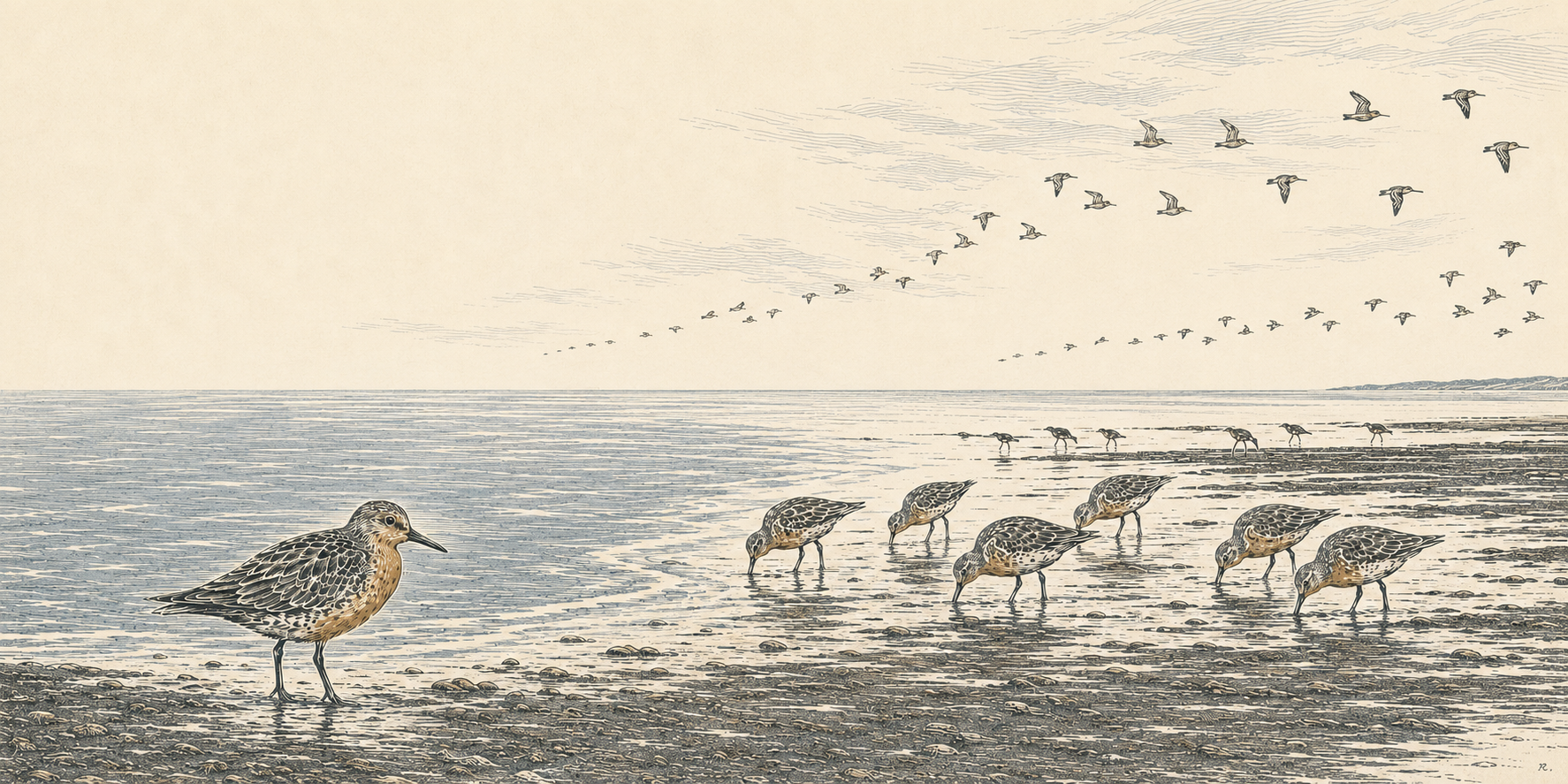
The Snettisham Wader Spectacular is the name given to the high-tide gathering of vast numbers of waders on The Wash. It doesn’t happen at the same scale on every high tide. The most dramatic movements occur when a particularly high tide covers most of the mudflats and pushes feeding birds towards the remaining mud and their roosts.
At low tide, the birds are spread across an immense feeding area. As the water advances, that space contracts. Knot often form the most fluid flocks, with Dunlin, Oystercatchers and godwits also involved. What looks like a coordinated display is a practical response to the loss of feeding ground beneath them.
For 15 and 16 August 2026, use the RSPB’s published departure times rather than aiming simply to arrive at high tide. The Wader Watch point is about 2km from the RSPB car park, and the build-up is part of the event. Wind can also alter how quickly the water comes in.
Parking in the RSPB car park must be booked on Spectacular dates. If it is full, check the separately managed Snettisham Beach car park rather than relying on roadside parking.
Plan the visit with the RSPB’s Snettisham Wader Spectacular guide, then use the Radius & Flyway Snettisham guide for route and access detail.
Late August: let the weather help
By late August, juvenile waders increasingly join the adult passage. Little Stint and Curlew Sandpiper may occur, but numbers vary greatly between years, depending on breeding success further north and the weather encountered on migration.
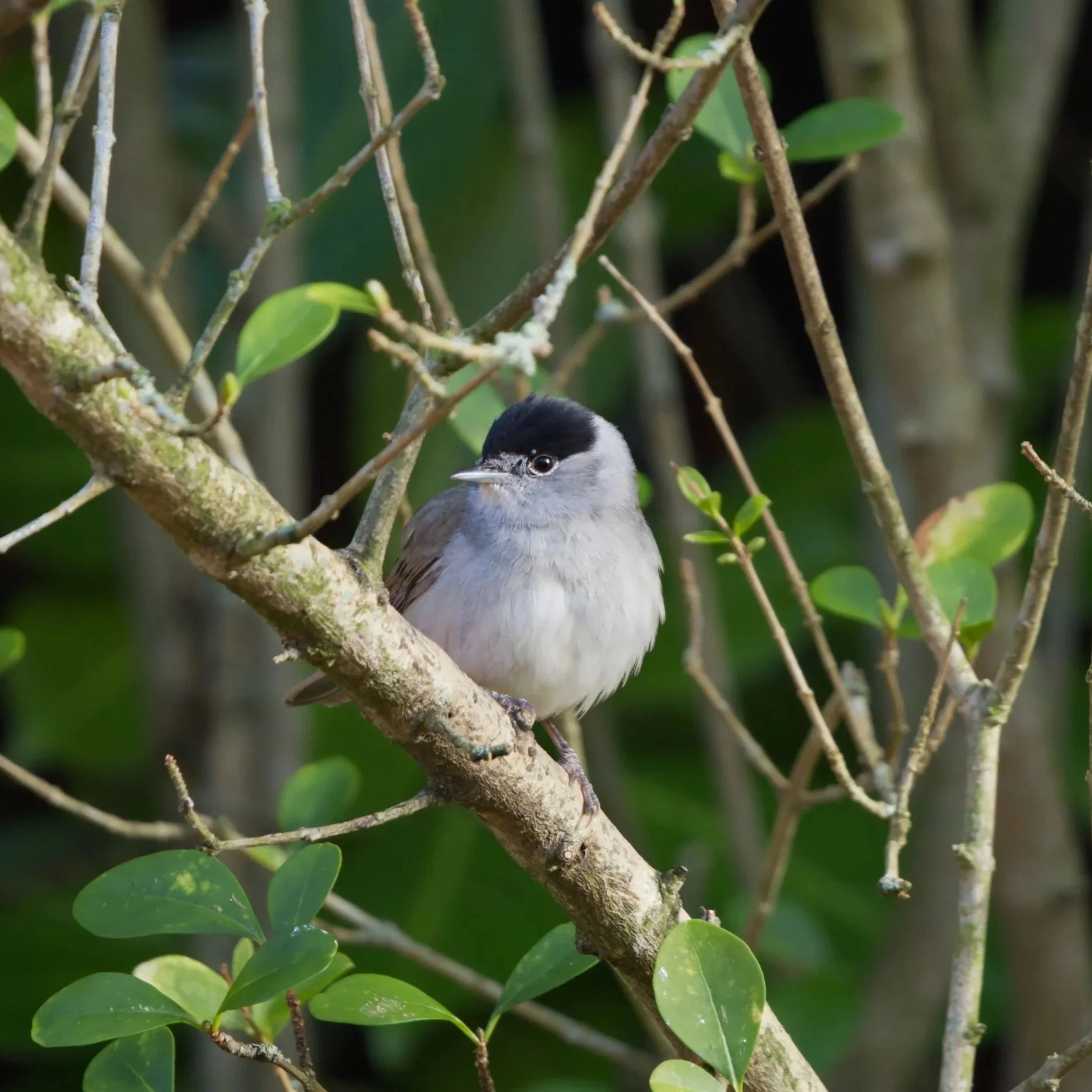
Passerine movement also becomes easier to notice. Wheatears appear more widely on open coastal ground, while Redstarts, Spotted Flycatchers, Yellow Wagtails and Tree Pipits may pass through suitable habitat. Coastal bushes can still be quiet, particularly in settled westerly weather.
Easterly or south-easterly airflow can help migrants crossing the North Sea reach Norfolk. Rain may persuade travelling birds to land, though it can just as easily produce a wet and uneventful morning. Early in August, habitat is the strongest clue: look for shallow water and exposed mud. Later, combine habitat with the forecast.
Cley marshes never disappoint.
Cley suits a day when you want to move between freshwater scrapes, reedbed, shingle and coastal scrub as conditions change. Start at the scrapes if waders are the priority, then use the East Bank and coast if passage, wind or visibility makes them worthwhile.
Water levels and recent arrivals matter more than the reserve’s seasonal list. Cley is at its best when you’re willing to watch one area carefully, then adapt to what the morning reveals.
See the Radius & Flyway guide to Cley and Salthouse Marshes for practical planning.
Titchwell for several habitats in one route.
Titchwell is the easier choice when you want several habitats without repeatedly returning to the car. The main path passes woodland edge, reedbed and Freshwater Marsh before crossing tidal habitats towards the beach.
Freshwater Marsh is the obvious starting point for passage waders. If it is quiet, the reedbed edges, raptors overhead and shoreline provide natural alternatives. That also makes Titchwell useful when Snettisham parking is unavailable, or the tide doesn’t suit your day.
A telescope helps at both reserves. Some waders may feed close to a hide, but many remain distant or partly hidden around shallow margins.
See the Radius & Flyway guide to Titchwell Marsh for practical planning.
Hickling Broad: an inland alternative
August passage isn’t confined to the north coast. Hickling is the strongest inland alternative, particularly for visitors based in eastern Norfolk or concentrating on the Broads.
Migrant waders use Brendan’s Marsh to feed and rest, while reedbed, fen, open water and woodland keep the visit varied. Hickling is less useful as a quick detour from the western reserves; allow enough time to watch its different habitats.
It also shows why migration can seem scattered. A southbound bird responds to water depth, exposed feeding ground and shelter, not to whether a pool is famous or coastal.
Sheringham: wait for a northerly
Sheringham is a forecast-led choice rather than a default August destination. A seawatch becomes more worthwhile when the wind has a clear northerly component. Gannets, Common Scoters and terns may be moving, with skuas or shearwaters possible in favourable conditions, but sea passage remains variable.
An hour or two is a reasonable commitment when the wind supports it, and a telescope is especially useful. If the forecast is wrong, choose a wetland instead. Unlike the managed scrapes at Cley or Titchwell, seawatching depends heavily on birds being channelled past the coast.
Holme and the western coast
Holme combines dunes, scrub, grazing marsh and shoreline. Choose it for a short western-coast circuit rather than a fixed list of migrants.
Open ground may hold passing Wheatears, while scrub and wet margins deserve attention when the weather suggests movement. If one area is quiet, another habitat is close. Breeding birds may still be using beaches and shingle, so follow any temporary cordons and signs.
If you have only a few hours
Titchwell: Allow two or three hours and concentrate on Freshwater Marsh, adding the reedbed if time allows.
Cley: Choose either the scrapes or the East Bank and coast according to the conditions.
Sheringham: Allow one or two hours when the wind has a useful northerly component; otherwise choose a wetland.
Hickling: Use two or three hours for Brendan’s Marsh and the nearby reedbed.
Holme: Use the close mix of open ground, scrub and wetland rather than driving between several western reserves.
Snettisham is less suited to a hurried visit on Spectacular dates. The walk, rising tide and gradual gathering of the flocks are part of the experience; arrive late, and you may miss the build-up.
Tides, wind and rain
At Snettisham, the tide determines the visit. Elsewhere, local water levels usually matter more: exposed mud creates feeding space, while deeper water may move birds to another part of the reserve.
Northerlies can strengthen seabird passage along the north coast.
Easterly or south-easterly airflow may help migrants crossing the North Sea.
Rain during active migration can encourage birds to land, but may bring a wet, quiet morning.
Hot, calm conditions usually favour early and late visits over prolonged midday birding.
The useful question isn’t whether the forecast looks generally good. It’s which place those conditions make more worthwhile.