

East Anglia Birdwatching: August
By August, autumn migration is in full swing. Adult waders start heading south first, and juveniles follow later in the month. Swifts leave quickly in early August, while Redstarts, Spotted Flycatchers, Yellow Wagtails, and Tree Pipits become easier to spot as the month goes on.
Each of the three counties has something different to offer. Norfolk features The Wash, coastal scrapes, and the best seawatching. Suffolk mixes coastal wetlands with wide reedbeds. Cambridgeshire has washlands, restored fen, and big open water areas that attract passage birds far from the coast.
How August changes
Adult waders tend to migrate before juveniles, so you’ll see many more young birds as August goes on. Green Sandpipers, Wood Sandpipers, Greenshanks, Ruff, and Whimbrels can show up early in the month. Curlew Sandpipers and Little Stints are likely later, but their numbers can change from year to year.
Willow Warblers move through in greatest numbers early in August, which is also when many Swifts leave Britain. Redstarts, Spotted Flycatchers, Yellow Wagtails, and Tree Pipits are usually easier to find later in the month. You can spot these birds both inland and along the coast.
As August goes on, weather becomes more important. Easterly winds can bring migrants to the East Anglian coast. Northerly winds often make seawatching better, while calm westerly weather usually means wetlands and reservoirs are your best bet.
Norfolk
Passage waders on the coast
Water levels determine which Norfolk wetland is most productive. Shallow pools and exposed mud provide feeding areas for passage waders; a scrape with deep water may hold very little. Recent sightings are useful when choosing between Cley, Titchwell and Hickling.
At Cley, the scrapes, East Bank and coast can be covered during the same visit. Titchwell provides freshwater pools, reedbed, saltmarsh and beach along one route, with Freshmarsh usually the first place to check.
Brendan's Marsh at Hickling gives an eastern alternative and adds extensive reedbed to the visit.
See the guides to /norfolk-reserves/cley-and-salthouse-marshes and /norfolk-reserves/rspb-titchwell-marsh, or check the official Hickling Broad information.
Snettisham Wader Spectacular
When there’s a very high tide at Snettisham, most of the mudflats on The Wash are covered. Knot, Dunlin, Oystercatchers, and godwits leave their feeding spots and head to their high-tide roosts. As the mud disappears, the flocks gather closer together and often take off several times before settling.
The August 2026 dates and the RSPB's suggested departure times from the car park are:
Saturday 15 August: about 6.30am
Sunday 16 August: about 7.15am
Bird movement begins before high tide, and wind can affect the timing. You need to book parking on Spectacular dates. Check the RSPB’s latest dates and details before you go. The /norfolk-reserves/rspb-snettisham page explains the reserve and viewing spots.
Coastal migrants and seawatching
In the second half of August, coastal scrub, dunes, and shelterbelts become more important. Wheatears prefer open ground, while Redstarts and Spotted Flycatchers often stop where there are trees and scrub for shelter. The best easterly winds usually come from a broad airflow from continental Europe, not just quick local shifts.
Sheringham is best when there are northerly or north-westerly winds. Gannets, Common Scoters, and terns make up most of the regular passage. Skuas and shearwaters can also appear if the right winds have influenced the North Sea for a while. The /norfolk-reserves/sheringham-seawatching page gives details on where to watch and what to expect each season.
Suffolk
Minsmere and Trimley Marshes
Minsmere is Suffolk’s top coastal spot. The Scrape attracts southbound waders, and the reedbeds, pools, and coastal trail offer chances to see Marsh Harriers, Hobbies, terns, and other migrants. Spotted Redshank, Green Sandpiper, Common Sandpiper, Greenshank, Ruff, and Whimbrel are regulars in late summer.
Important update — 1 August 2026: A major wildfire affected Dunwich Heath on 29 July. Fire services have asked people to avoid the area. Check the National Trust’s current notices before planning a visit; the normal description below does not currently represent conditions on the ground.
Trimley Marshes has shallow lagoons next to the Orwell estuary. The exposed edges attract Common Sandpipers, Greenshanks, and other passage waders. It takes about 45 minutes to walk from the car park to the hides, so plan for a half-day visit rather than a quick stop.
Water levels can make one reserve better than the other. Check the latest updates from RSPB Minsmere and the Suffolk Wildlife Trust’s Trimley Marshes page before you decide where to go.
Lakenheath Fen
Lakenheath Fen is a good inland option if the coast is quiet. By August, Marsh Harrier chicks have fledged, and Hobbies may be hunting dragonflies over the reedbeds. You might also see Bitterns, Bearded Tits, and Common Cranes, though they move around a lot. The Washland can hold Green Sandpipers, Ruff, and other passage waders if water levels are right.
The reserve is almost 500 hectares, so it’s best to focus your visit on the reedbeds and washland instead of trying to see every species. The RSPB Lakenheath Fen page has up-to-date sightings and access information.
August 2026 access note: roadworks in Lakenheath village affect approach from the south until 14 August. Access from the north remains open.
Later coastal passage
Later in August, the Suffolk coast gets better for spotting passerines. Minsmere’s coastal scrub, the Dunwich area, and Landguard can all have Wheatears, Redstarts, Spotted Flycatchers, and Yellow Wagtails. Landguard Bird Observatory does a daily count at the south end of the Felixstowe peninsula, so their records are helpful for checking if migration is happening. Easterly or south-easterly winds, especially with rain, increase the chances of birds arriving from the Continent during migration.
Cambridgeshire
Ouse Fen and the Ouse Washes
Ouse Fen is becoming a large wetland with reedbeds, open pools, and grassland. Marsh Harriers and Bearded Tits are regulars, and Bitterns use the reedbeds. It’s a good place for fenland birding in August, especially if you’re not focused on wader passage.
The Ouse Washes depend a lot on water levels. Shallow water and muddy edges attract Black-tailed Godwits, Ruff, Greenshanks, and other passage waders. Yellow Wagtails use the grazed washland, and Kingfishers may be found in ditches and river channels. If the washes are dry or the pools are far away, you might get better views at another site.
Check RSPB Ouse Fen and the Wildlife Trust's Ouse Washes information for current conditions and access.
Reservoirs and gravel pits
Grafham Water can draw in passage waders and terns far from the coast. Common Sandpipers are regular August migrants, while Black Terns and rarer waders sometimes appear but are less predictable. Water levels affect how much shoreline you can see, and strong winds can make it hard to spot distant birds.
Paxton Pits has a mix of lakes, islands, and scrub. Common Sandpipers and Green Sandpipers pass through the gravel pits, and Sand Martins gather before they leave. The nearby scrub can also hold migrant warblers and flycatchers.
The Grafham Water nature and wildlife page has the latest reserve information. Checking recent local records is especially helpful before picking an inland water, since many passage birds don’t stay long.
Explore our Articles
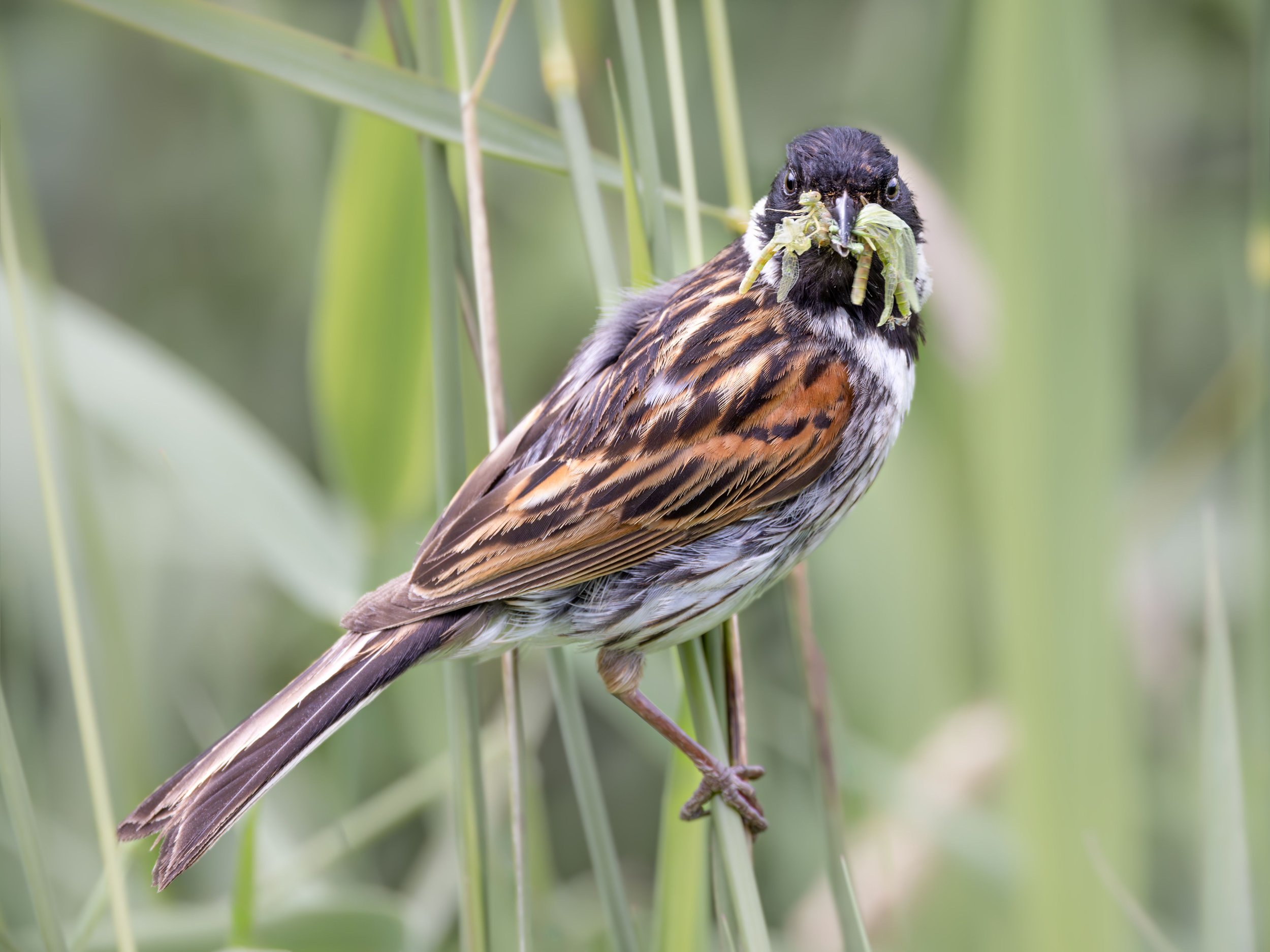
Why do Blackcaps now spend winter in Britain instead of migrating to southern Europe? Discover how bird ringing, genetics and garden feeding have revealed one of the most remarkable examples of rapid evolution in a wild bird—and what it tells us about migration and climate change.