
Birding Articles
Field notes, identification, migration and conservation in Britain, with emphasis on East Anglia.
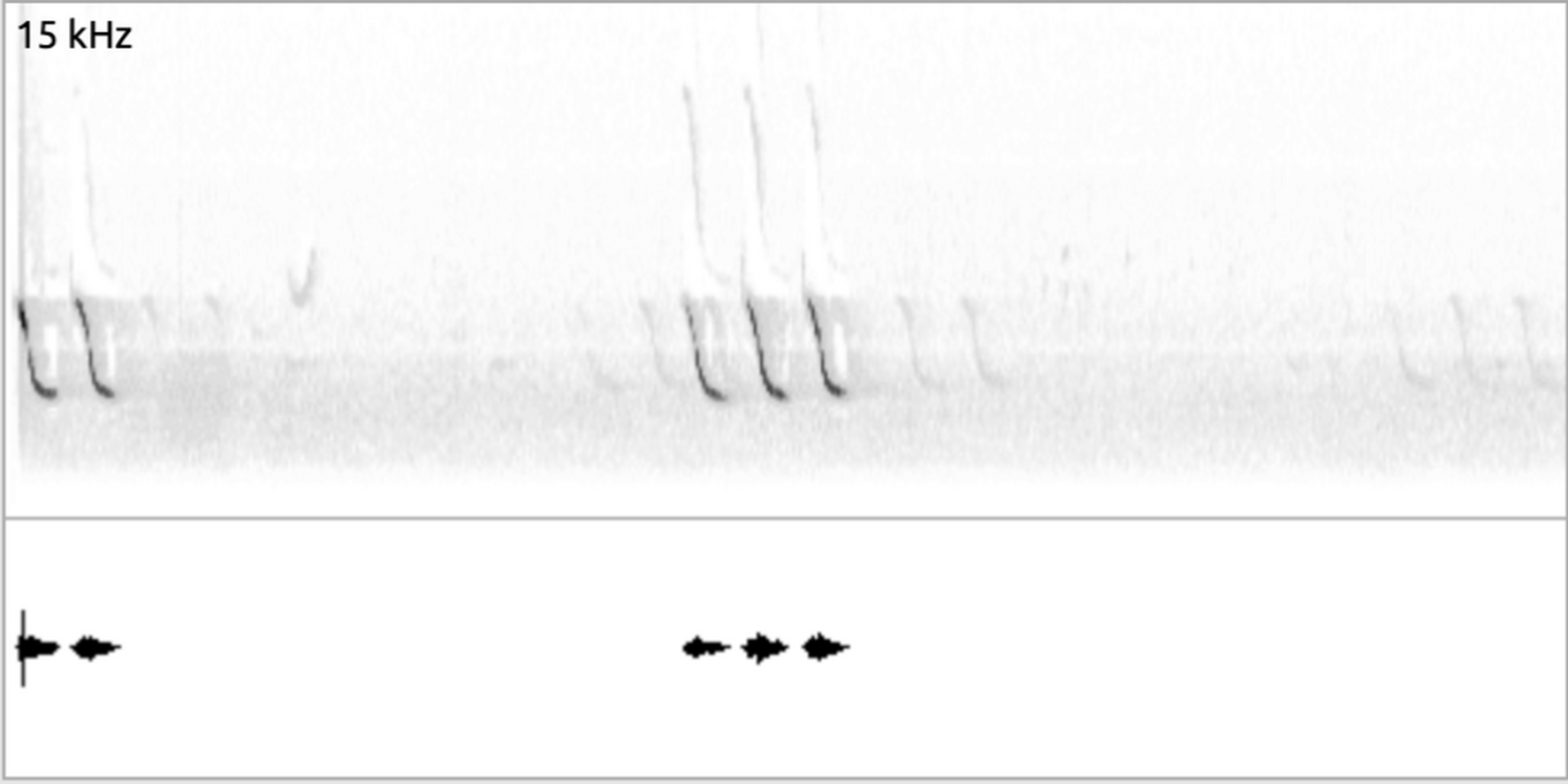
How to Use Xeno-canto for Bird Sound Identification
An editorial review of Xeno-Canto, the global open-access wildlife audio repository. Learn how active time-frequency spectrograms, precise subspecific geographic filtering, and background species annotations turn subjective listening into verifiable bioacoustic fieldcraft.
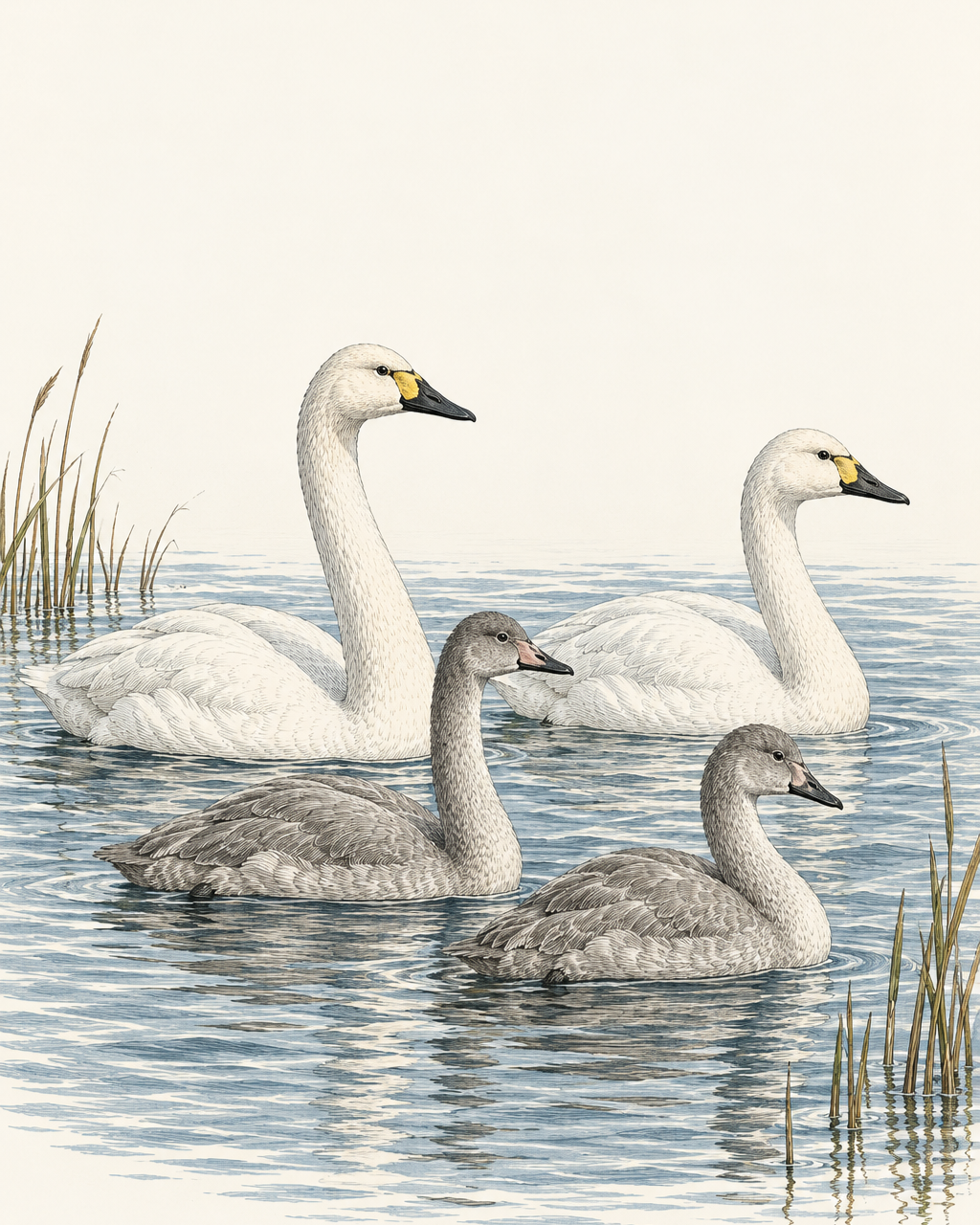
Whooper vs Bewick’s Swan: How to Tell Them Apart
Whooper or Bewick’s? Compare adult bill patterns, understand why young swans need a different approach, and learn how researchers recognise individual birds. A practical guide with clear photographs, illustrations and a short comparison with Mute Swan.
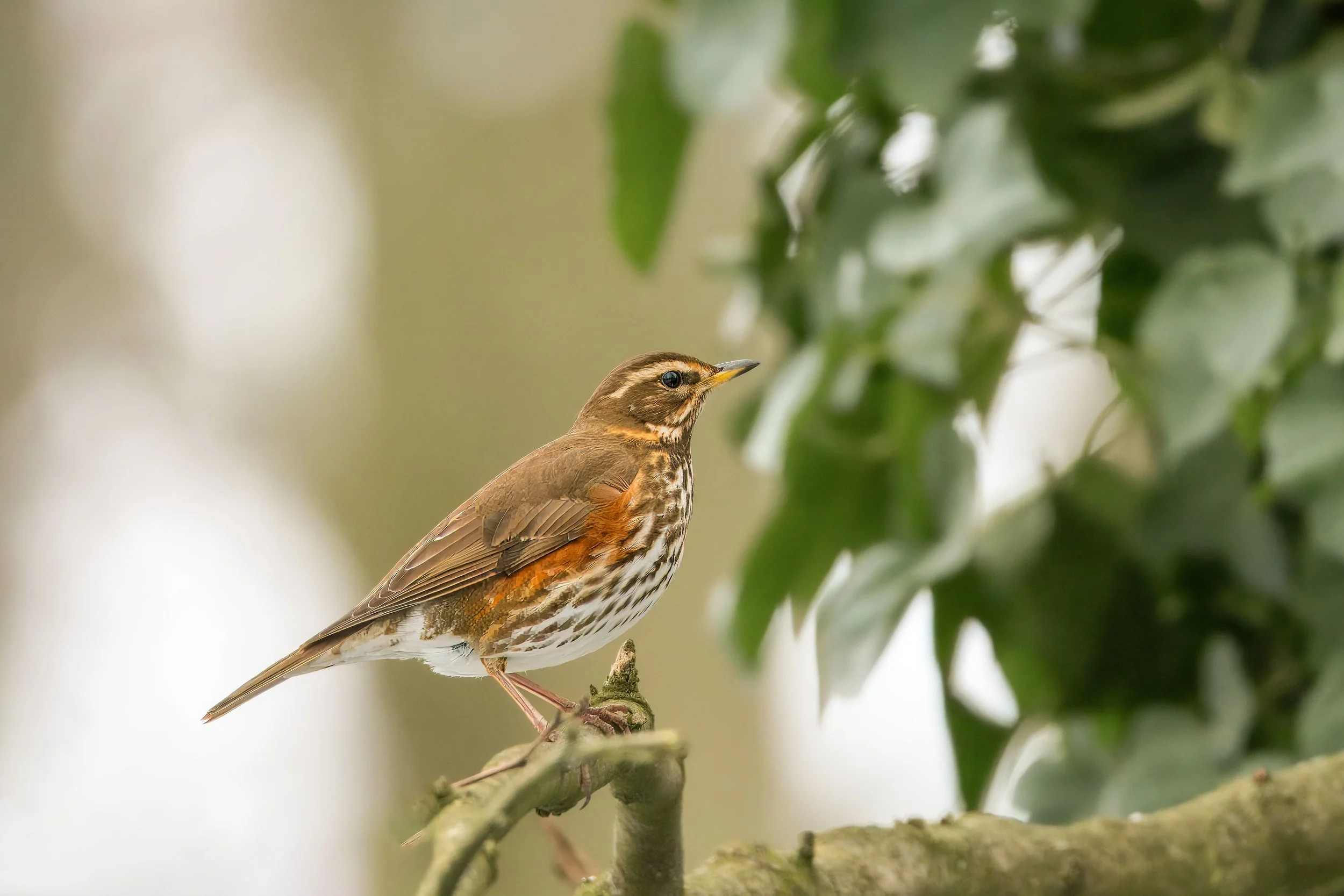
UK thrush identification: Song Thrush, Mistle Thrush, Redwing and Fieldfare
Song and Mistle Thrush can be difficult to separate; winter flocks add Redwing and Fieldfare to the comparison. This practical guide examines head patterns, spotting, proportions and calls, showing which features remain useful when a bird is distant or partly hidden.
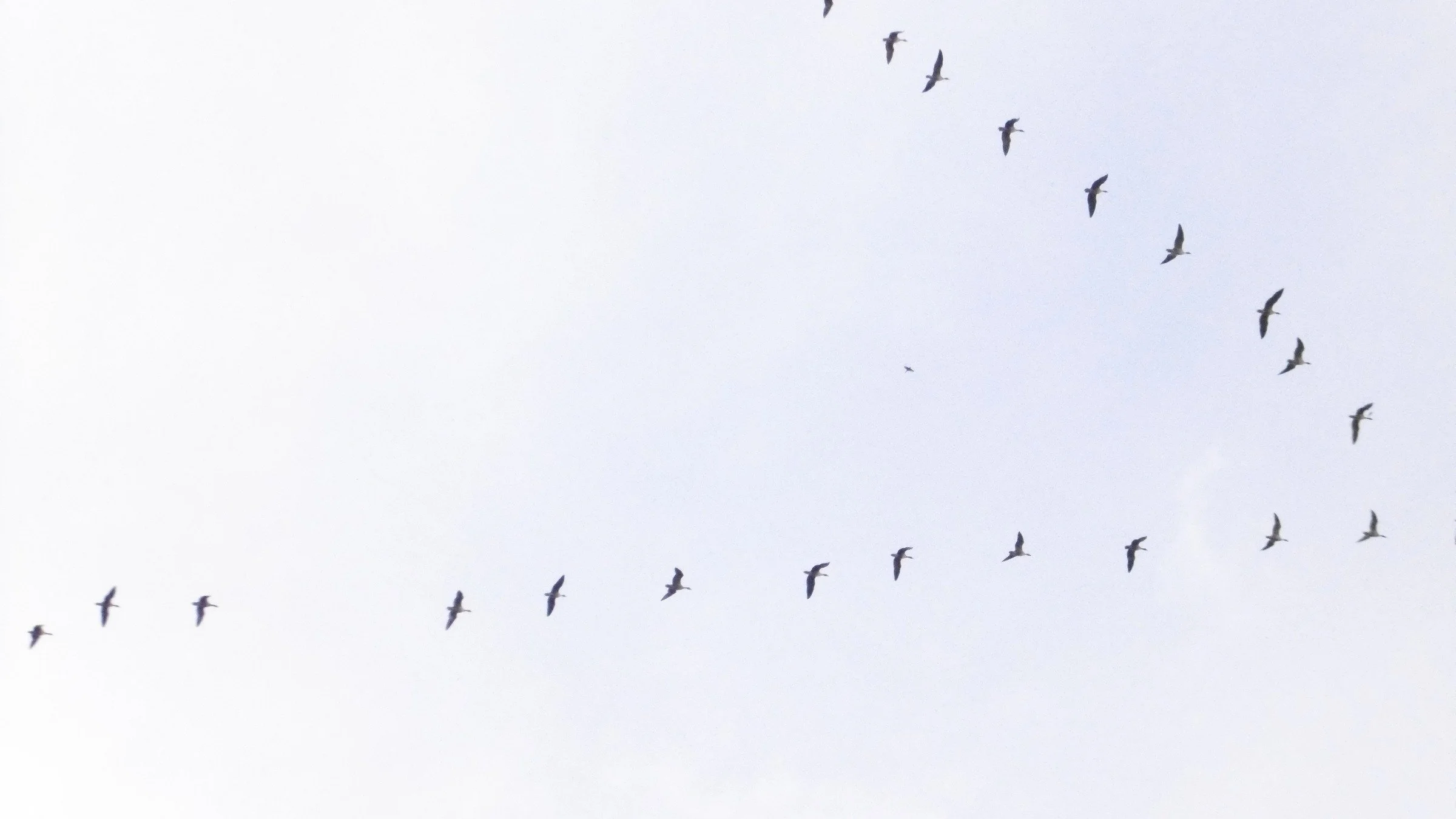
Pink-footed Goose Migration in Britain: Arrival, Redistribution and Daily Flights
Pink-footed Geese reach Britain from September, but a passing skein need not have just crossed from Iceland. Follow their North Atlantic journey, changing winter distribution and daily feeding flights, with practical clues for interpreting what you see.
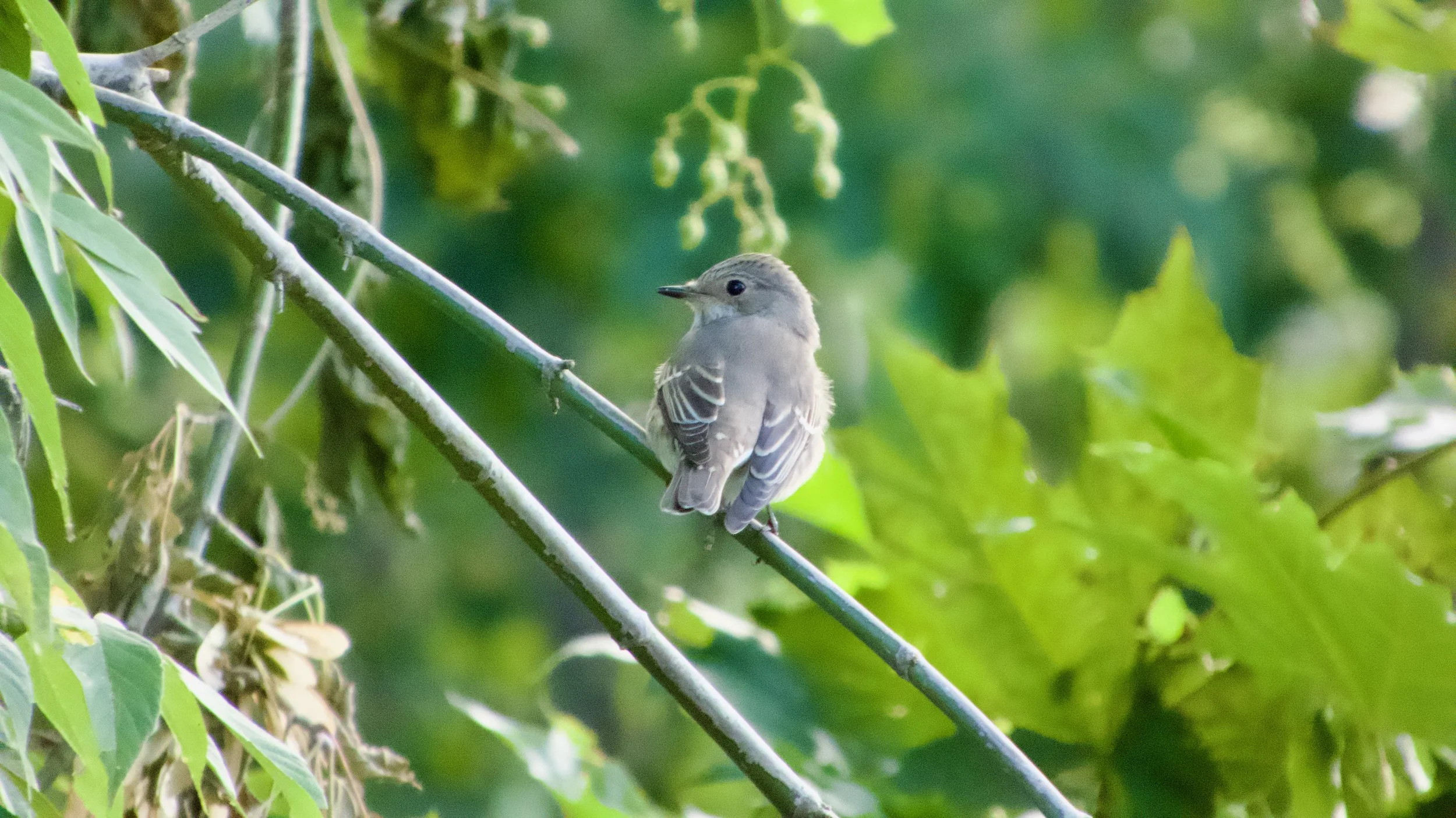
Photography as Field Evidence: Identifying a Young Spotted Flycatcher
A distant flycatcher appeared only briefly on a dark, rainy day. Three soft photographs taken in Auto mode preserved its crown, wing and tail well enough to test an initial Red-breasted Flycatcher impression and support identification as a young Spotted Flycatcher.
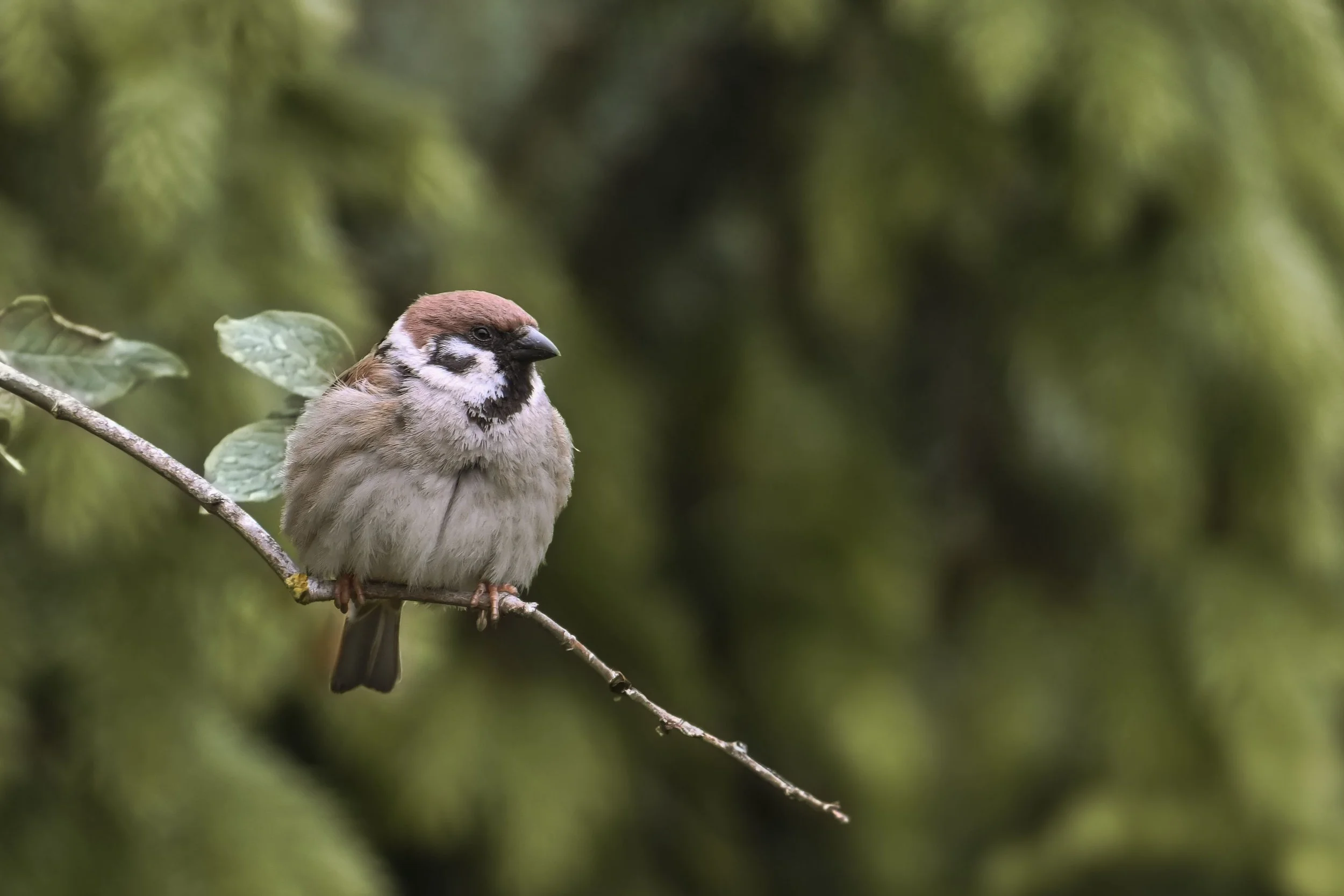
Tree Sparrow vs House Sparrow: How to Tell Them Apart
Tree and House Sparrows are easiest to separate by the head. This evidence-led guide explains juvenile Tree Sparrows and female and juvenile House Sparrows, while showing why size and habitat should remain supporting clues. It also covers the rare male Spanish Sparrow.
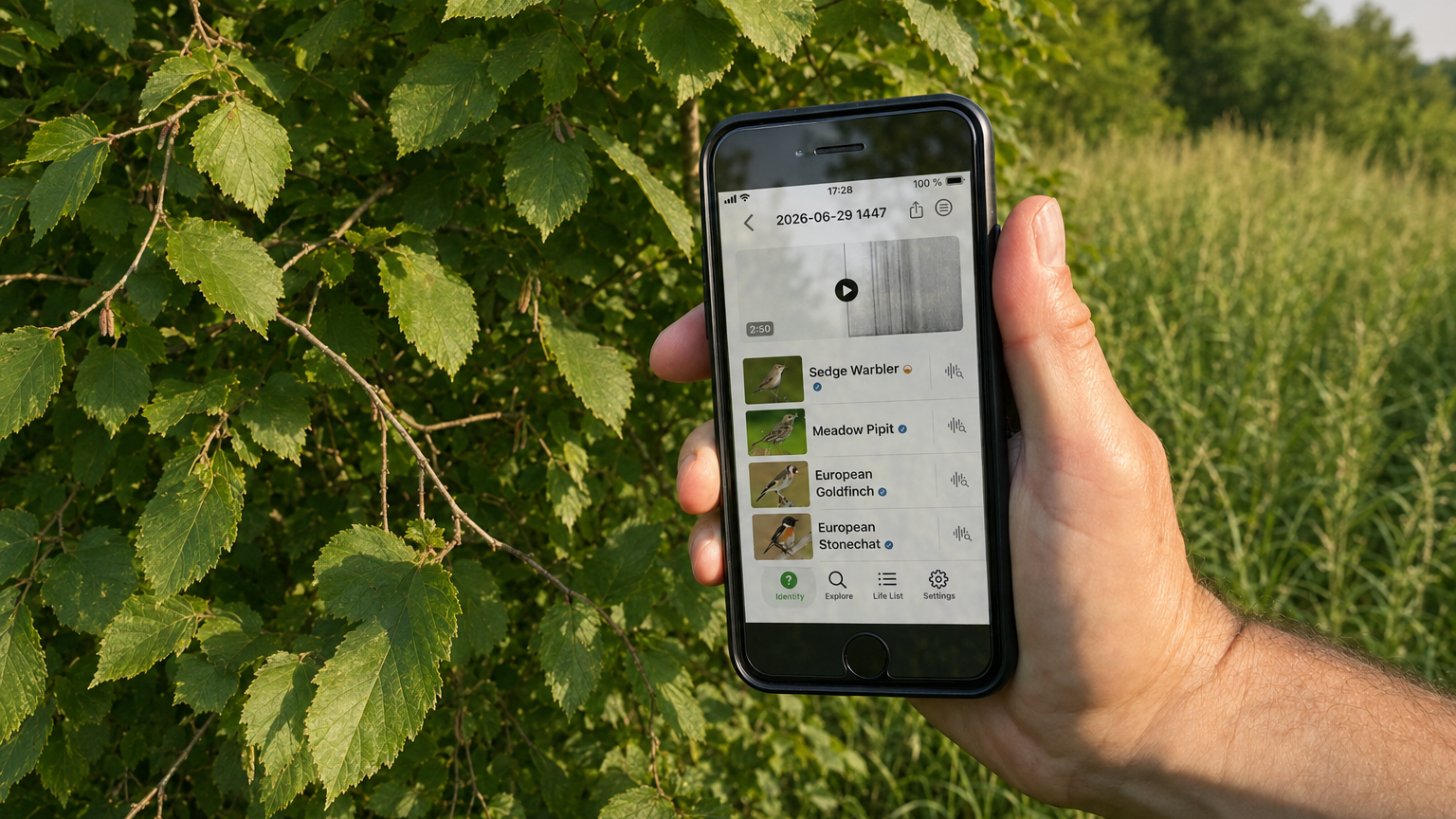
Can You Trust Merlin Sound ID? How to Decide Which Identifications to Believe
Merlin Sound ID can alert you to a bird before you recognise its call, but the name on the screen is only a suggestion. This practical guide explains how to check the recording, judge unusual results and avoid letting the app shape what you think you are seeing.
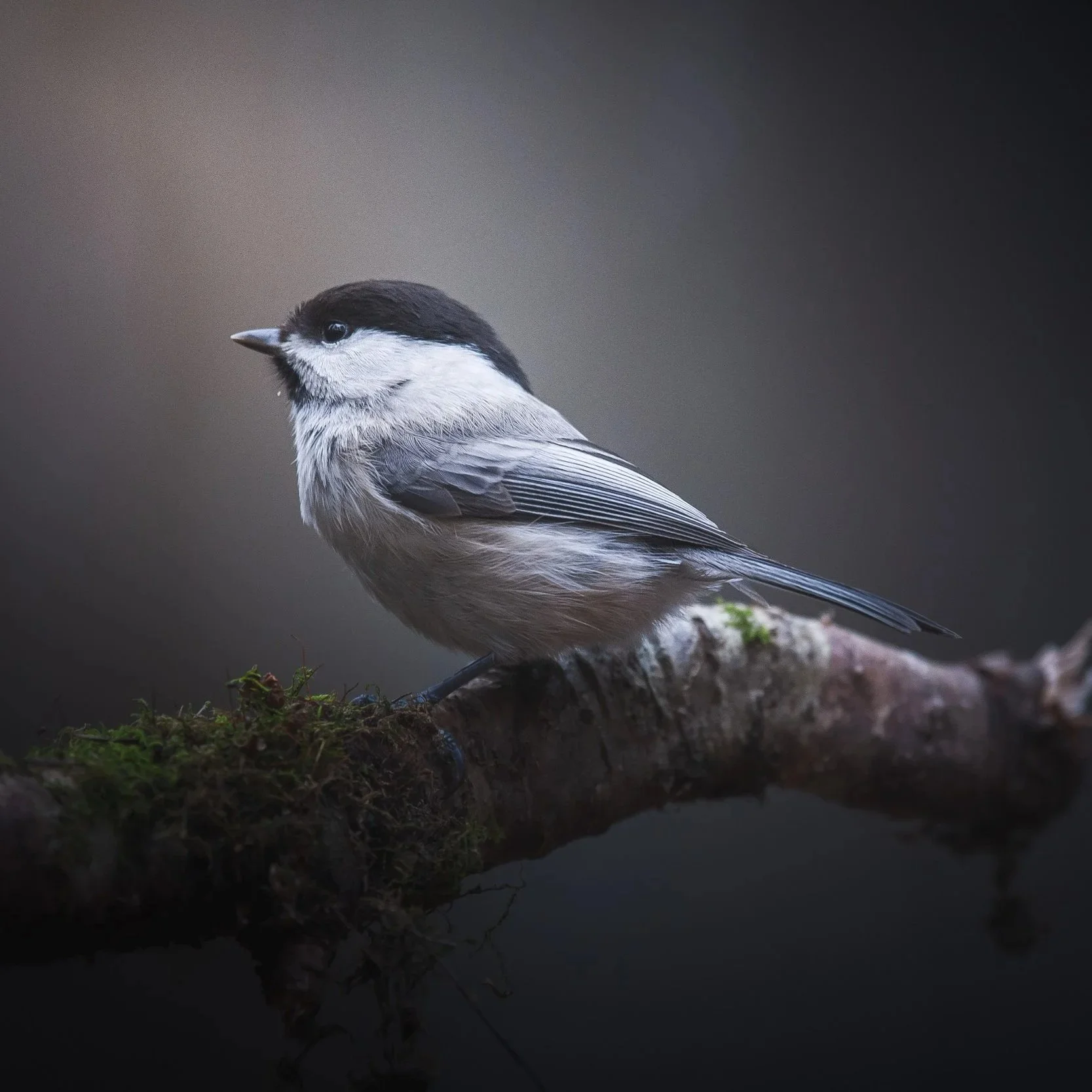
Marsh Tit or Willow Tit? Calls, Plumage and Habitat Compared
Calls provide the safest separation of Marsh Tit and Willow Tit, but a silent bird can sometimes be identified from the upper mandible and a combination of cheek, wing and habitat clues. This guide ranks the useful characters and the common traps.