
Norfolk birding
Norfolk bird sightings: where to go and what to look for
Norfolk has a fantastic variety of places to watch birds. You could spend a morning looking across the mudflats of the Wash, watch waders from a hide at Cley, search coastal bushes for migrants or sit and listen to the birds in the reedbeds of the Broads.
If you’re after a particular bird, check a recent report before you go. Sightings can change quickly. If you’re looking for a good day’s birdwatching, think about the season, the weather and the habitat you’d like to explore. This guide will help you choose. Our Norfolk birdwatching directory covers many more sites, while the Norfolk reserve guides provide more detail for individual visits.
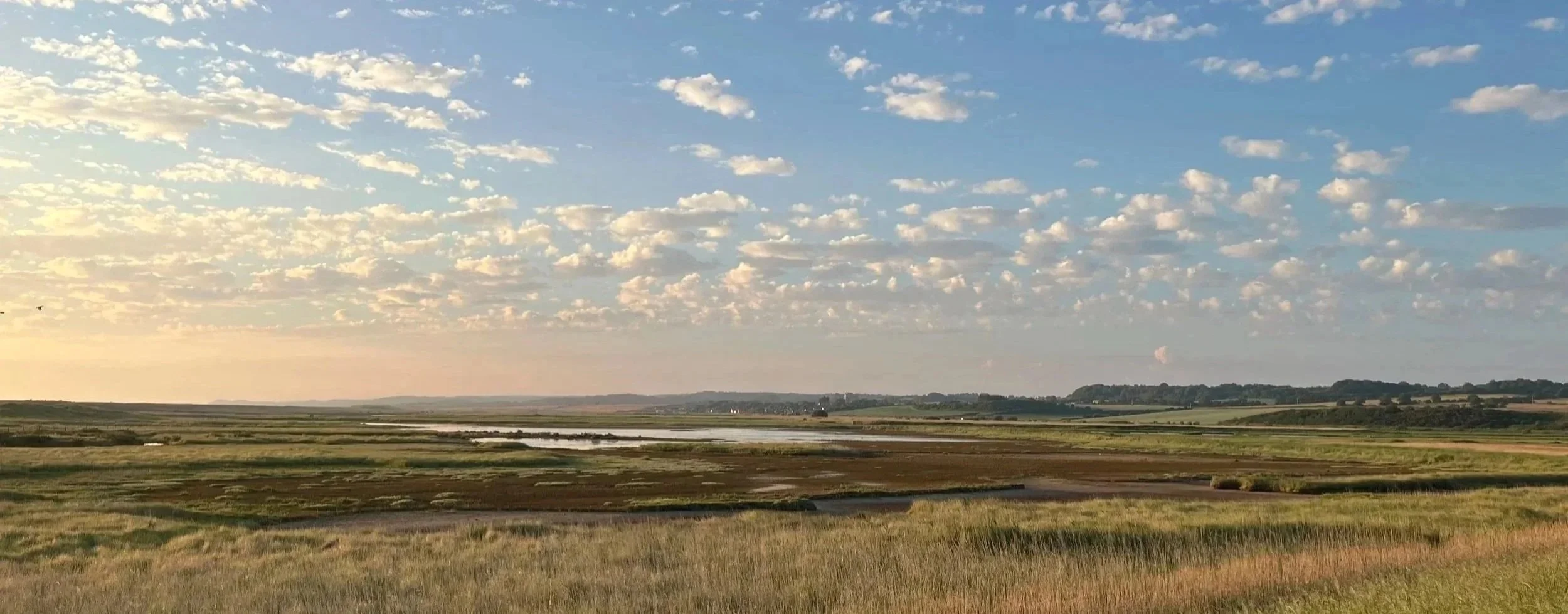
Snettisham and the Wash
RSPB Snettisham is renowned for its huge flocks of waders. On a particularly high tide, the water covers their feeding ground out on the Wash and pushes them towards the shore and their roosts. It’s an impressive sight, but it doesn’t happen on every high tide. If that’s why you’re going, check the RSPB’s spectacle dates and parking arrangements first.
I’ve visited when the tide was wrong for the spectacle. There was still plenty to enjoy about the scale of the Wash, but I didn’t see the mass movement I’d hoped for. In winter, look out for Pink-footed Geese and other wildfowl. Be prepared for an exposed walk to the main viewpoints.
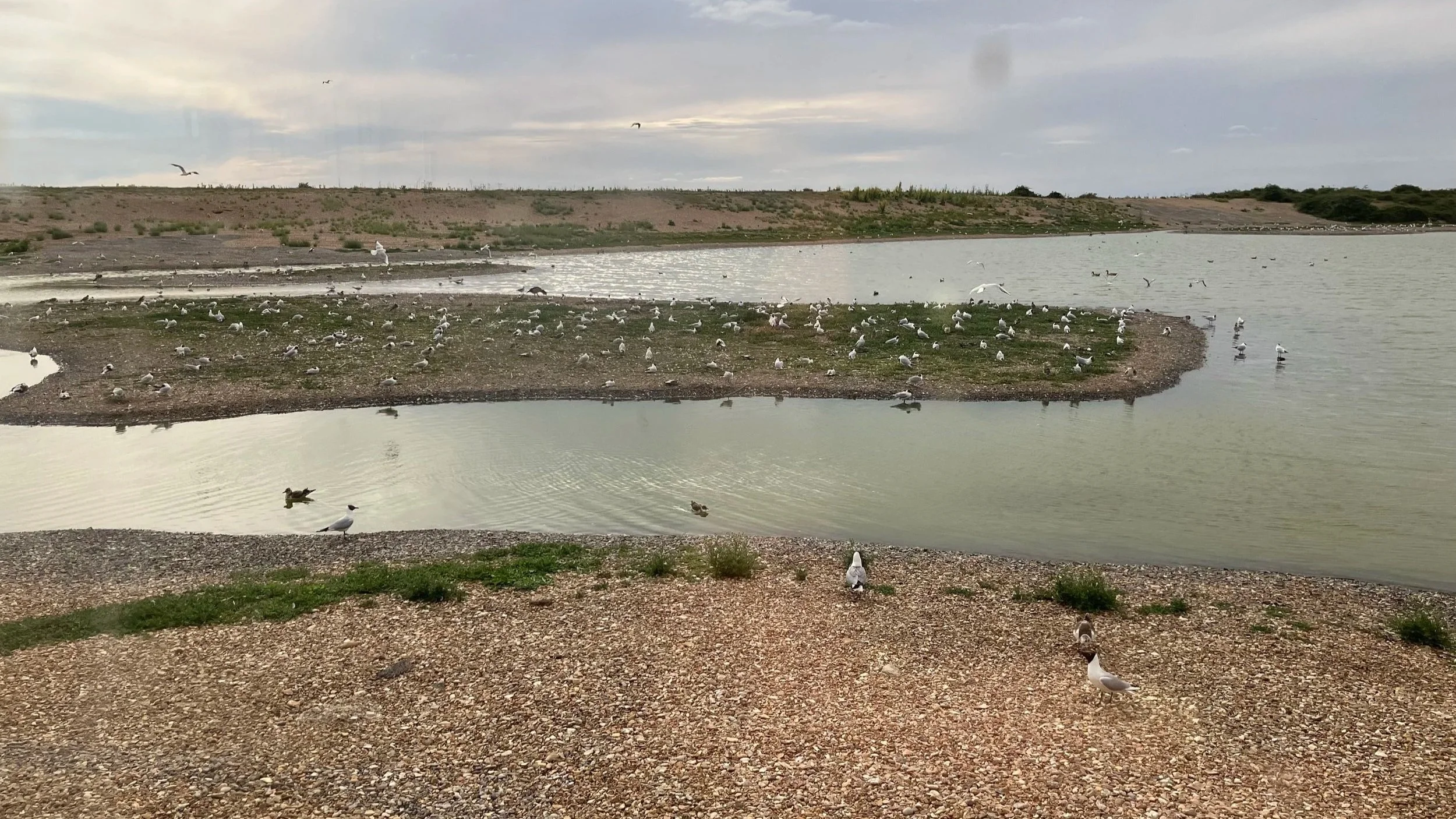
Titchwell and Holme
Titchwell Marsh is a great choice if you want to see several habitats without planning a complicated route. The main path takes you past the reedbed and freshwater marsh, then on to the saltmarsh and beach. It’s tempting to go straight to the sea, but the freshwater pools deserve a proper look. Check the muddy edges and islands, then look again on your way back. The birds may have shifted to another part of the marsh.
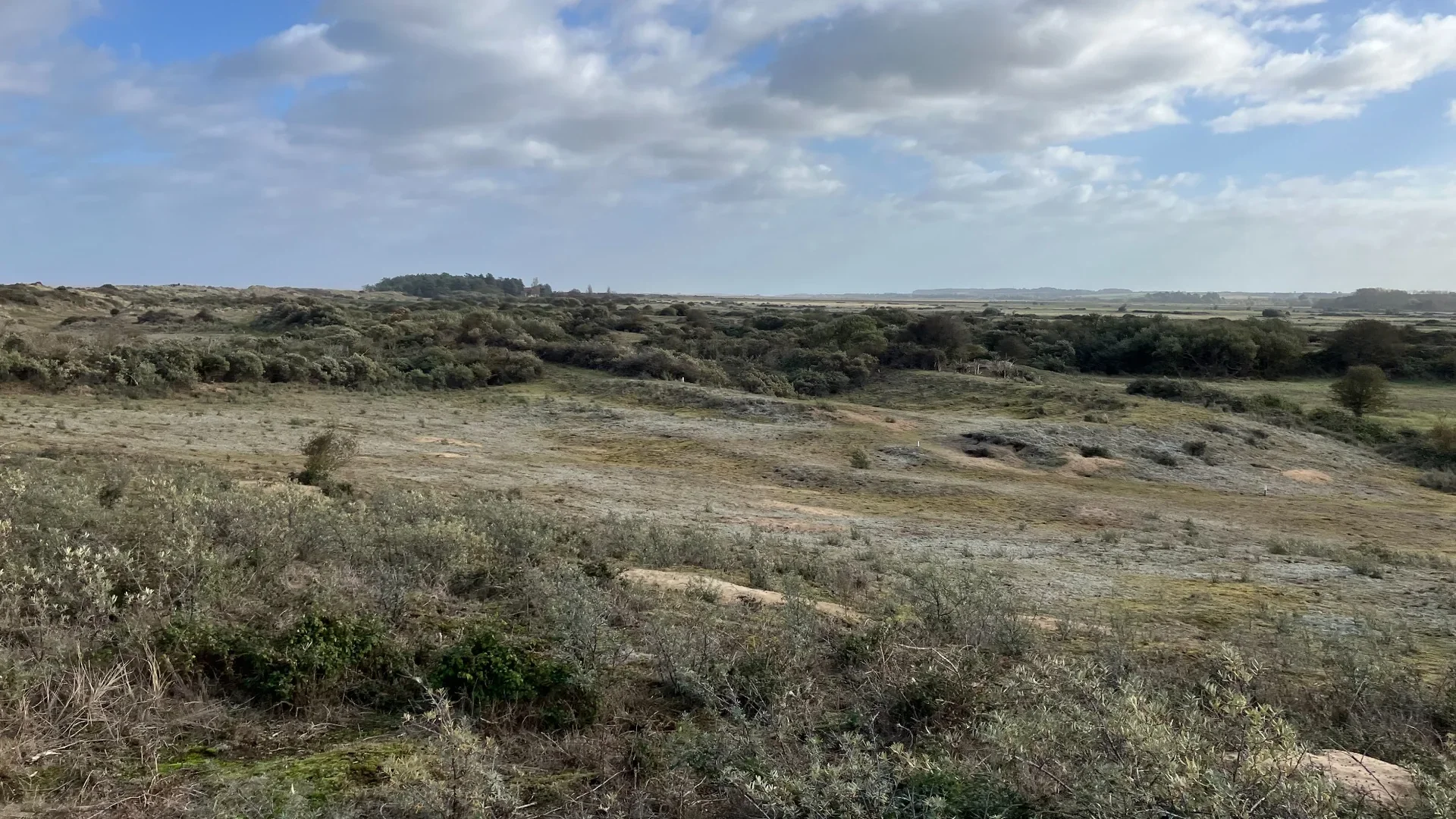
Holme Dunes offers a different sort of day. Its dunes, pools, scrub and beach are worth exploring, particularly during migration. Holme Bird Observatory’s reports can give you an idea of what has been seen recently.
Cley, Salthouse and Kelling
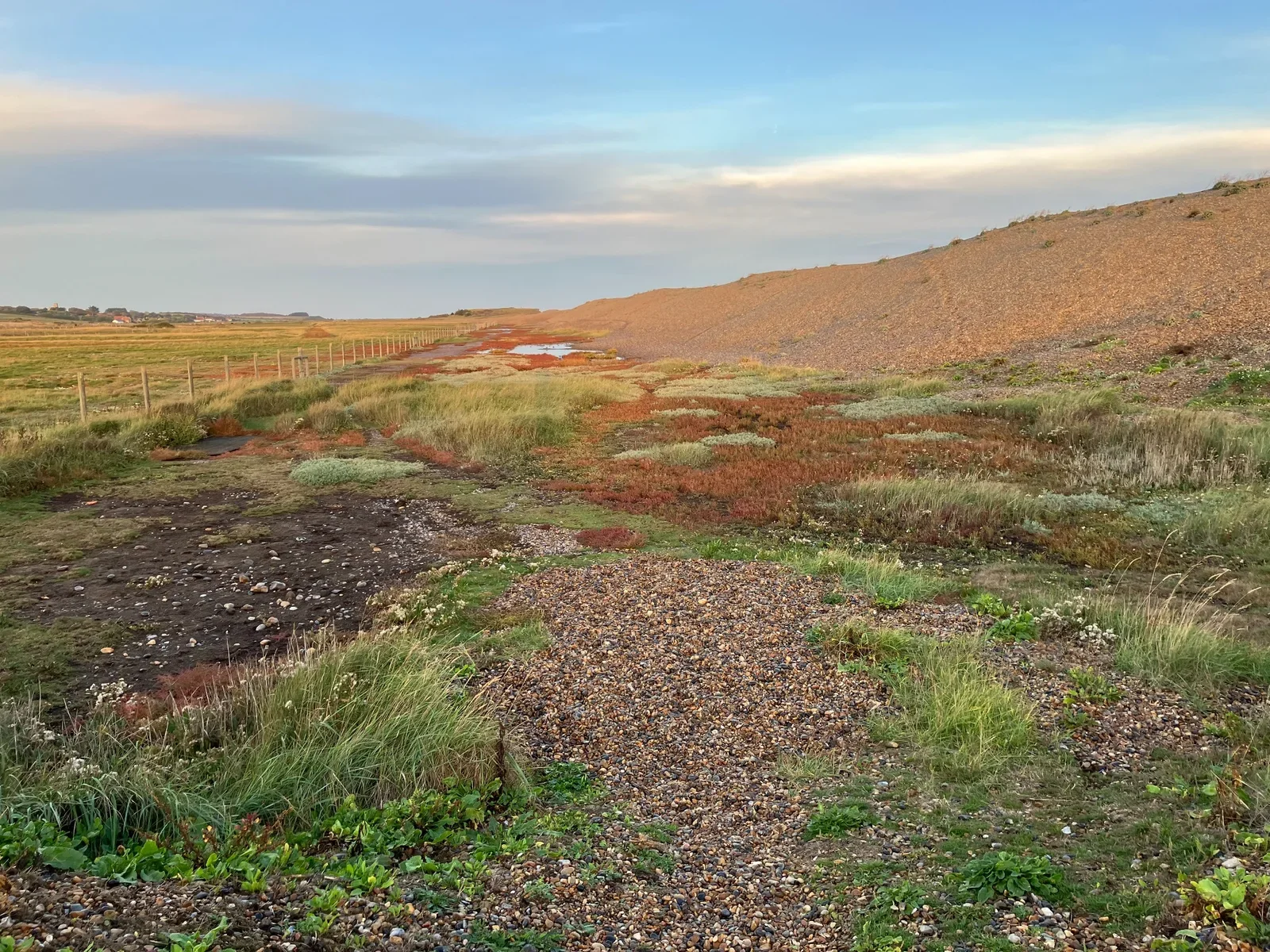
Cley and Salthouse Marshes can easily fill a day. The central hides look over freshwater pools, East Bank gives you views across the reedbed and marsh towards the coast, and Salthouse and the shingle beach add much more ground to watch. You don’t need to cover it all. Pick a place to start based on the latest reports and the conditions that day.
On an October walk east of Cley, I saw Gannets and Red-throated Divers offshore and Snow Buntings near Gramborough Hill. I describe that afternoon in my Cley to Salthouse and Kelling Quags field account.
Kelling Water Meadow and the Quags make a shorter outing nearby. You can view the Water Meadow pool from Meadow Lane, look across the Quags from the public path and spend some time watching the sea at Kelling Hard. Water levels make a big difference: when the pools have exposed muddy edges, there is more feeding space for waders.
Holkham, Blakeney and Sheringham
Holkham gives you room for a much longer day. The grazing marshes, beach, dunes and pinewoods offer very different birdwatching within the same stretch of coast. Winter geese are a reason to visit, while the woods and coastal cover attract attention during migration. Choose one part to explore properly rather than trying to cover the whole area in an afternoon.
Blakeney National Nature Reserve is another large stretch of coast rather than a single, compact reserve. Saltmarsh, grazing marsh, dunes and shingle all offer something different. Decide which part you want to visit before you go, particularly if you’re considering the long walk along Blakeney Point. Follow the seasonal restrictions that protect nesting birds and seals.
If the wind is right for seabird passage, Sheringham is another option. Its seafront shelters give you a place to watch the North Sea. Take a telescope if you have one, dress warmly and allow plenty of time. Even a good seawatching day can have long quiet periods.
The Broads and inland Norfolk
There’s much more to birdwatching in Norfolk than the north coast. Strumpshaw Fen has reedbeds and wet woodland, Hickling Broad has extensive wetland and open water, and Buckenham’s grazing marshes are particularly interesting in winter. The Brecks offer another change, with places such as Weeting Heath and Lynford Arboretum.
WWT Welney, on the Ouse Washes, is a winter destination for Whooper Swans and wildfowl. You can watch from the sheltered main observatory and stay towards dusk as swans return from the surrounding fields. Check water levels and road access before travelling, as flooding can affect the outer hides and the approach road.