
Birding Articles
Field notes, identification, migration and conservation in Britain, with emphasis on East Anglia.
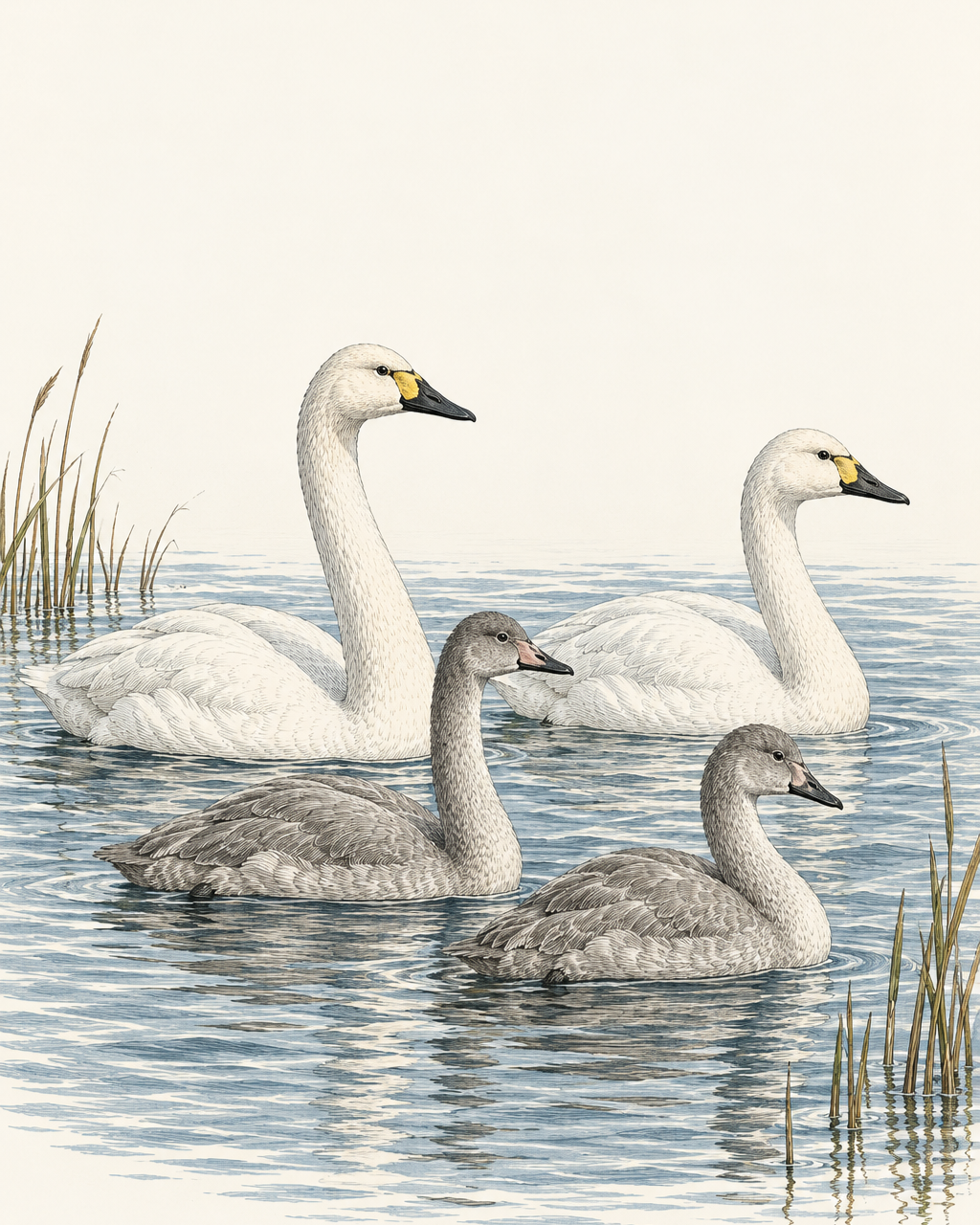
Whooper vs Bewick’s Swan: How to Tell Them Apart
Whooper or Bewick’s? Compare adult bill patterns, understand why young swans need a different approach, and learn how researchers recognise individual birds. A practical guide with clear photographs, illustrations and a short comparison with Mute Swan.
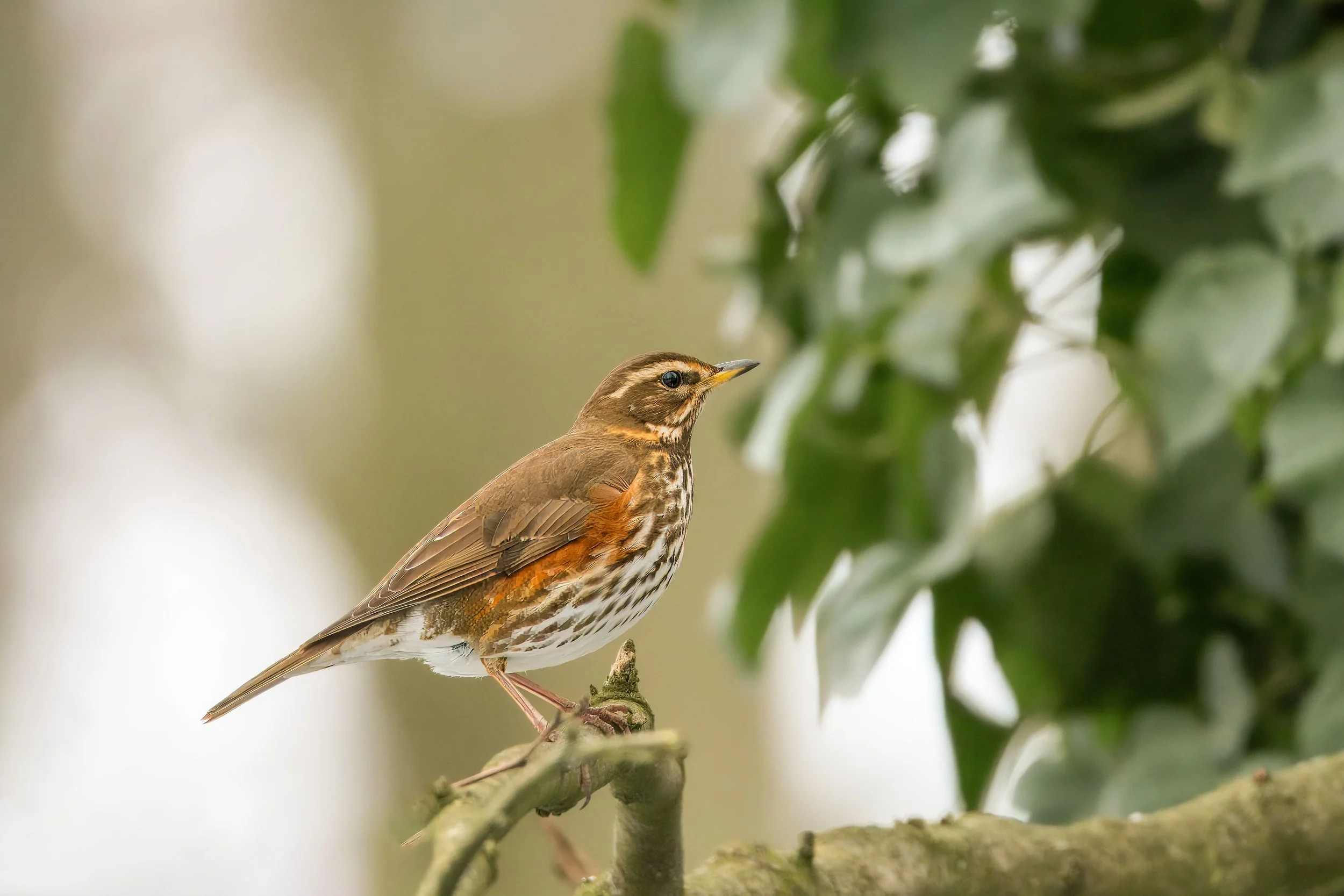
UK thrush identification: Song Thrush, Mistle Thrush, Redwing and Fieldfare
Song and Mistle Thrush can be difficult to separate; winter flocks add Redwing and Fieldfare to the comparison. This practical guide examines head patterns, spotting, proportions and calls, showing which features remain useful when a bird is distant or partly hidden.
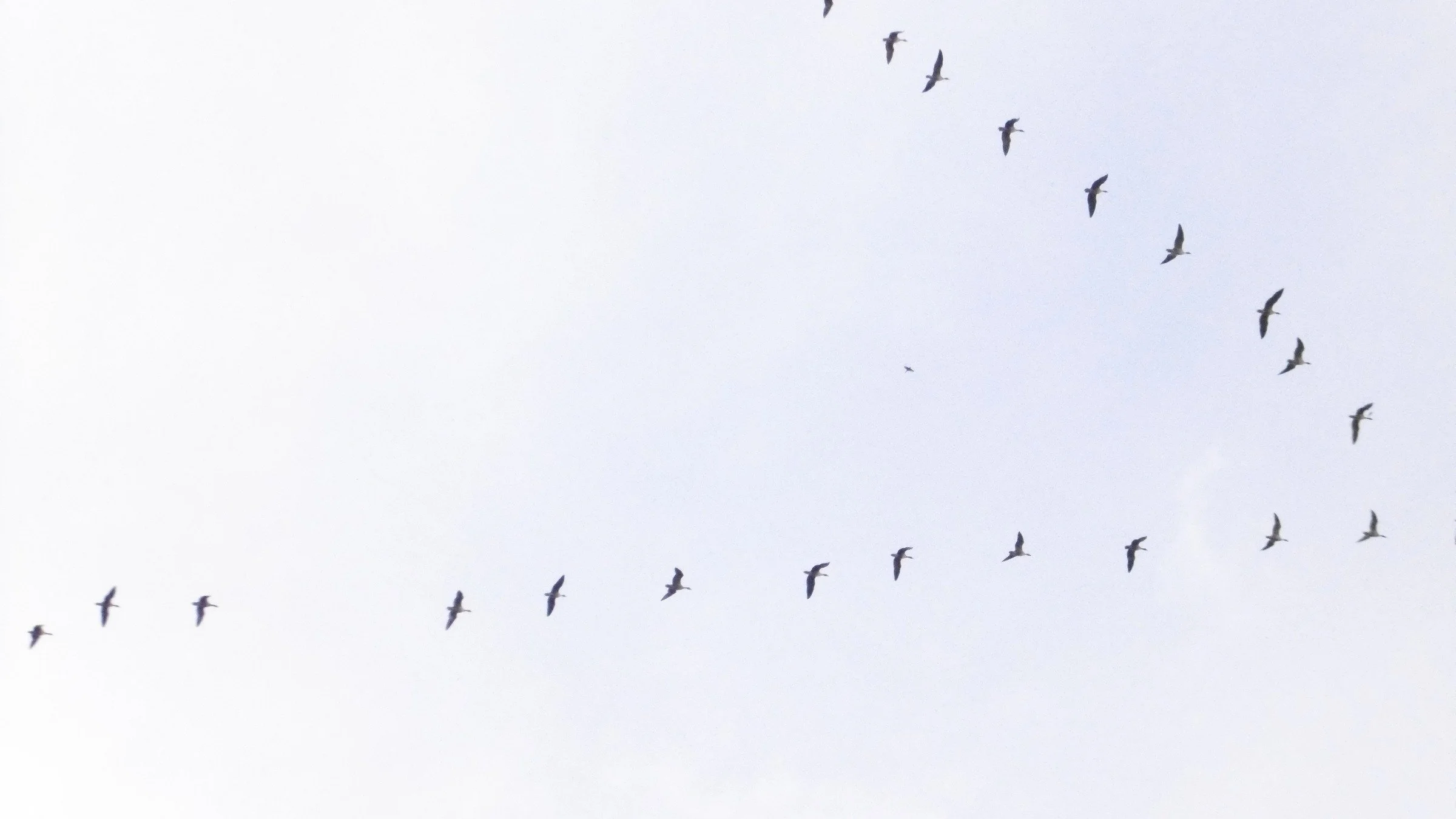
Pink-footed Goose Migration in Britain: Arrival, Redistribution and Daily Flights
Pink-footed Geese reach Britain from September, but a passing skein need not have just crossed from Iceland. Follow their North Atlantic journey, changing winter distribution and daily feeding flights, with practical clues for interpreting what you see.
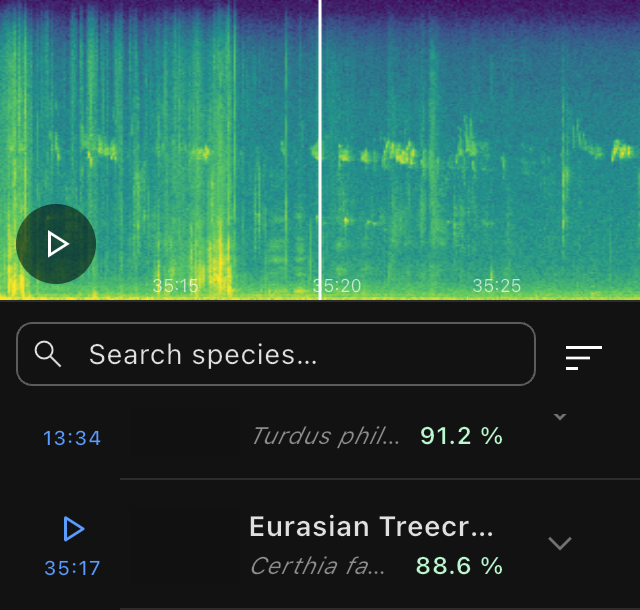
BirdNET Live Review: Professional Bioacoustics for Your Local Patch
BirdNET Live places continuous acoustic analysis, point counts, walking surveys, scheduled recording and research-compatible exports on a phone. This formal review examines how patch birders can use it for repeat monitoring, how its filters affect accuracy and where human checking remains essential.
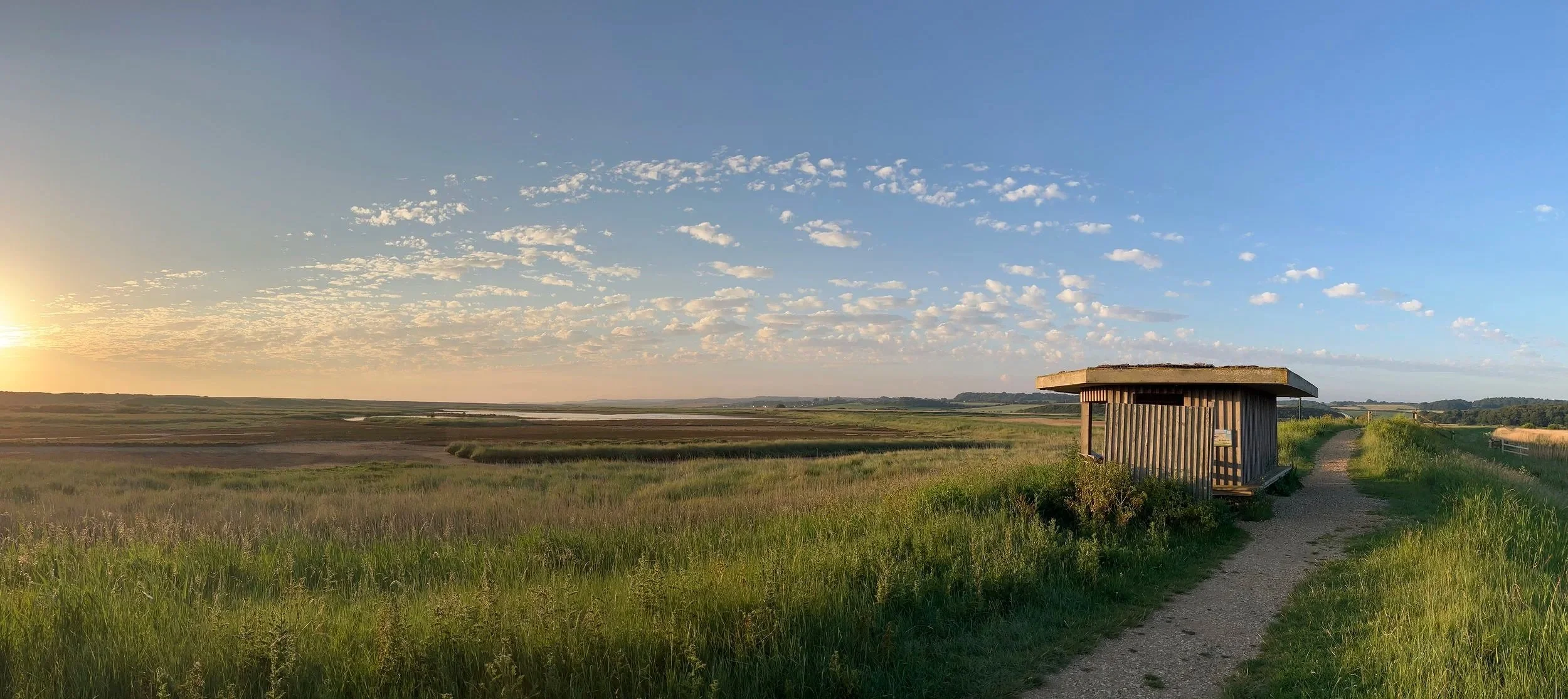
North Norfolk Birding in Autumn: A Long Weekend on the Coast
Stay in Wells, Cromer, Hunstanton or one of the smaller coastal villages, make Cley or Titchwell the anchor, then let autumn bird reports, wind and tide shape the rest of the weekend.
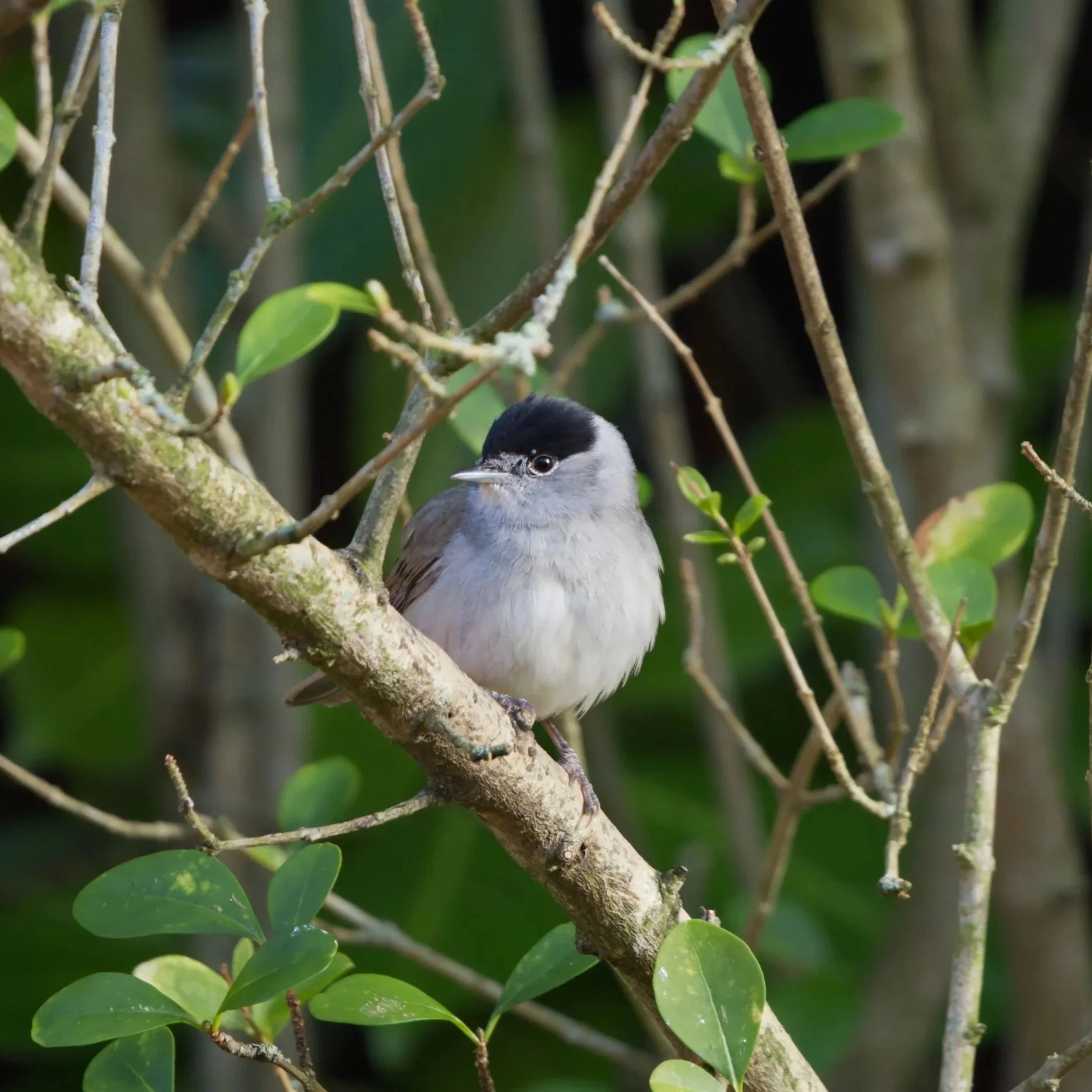
Why Blackcaps Now Spend Winter in Britain
Why do Blackcaps now spend winter in Britain instead of migrating to southern Europe? Discover how bird ringing, genetics and garden feeding have revealed one of the most remarkable examples of rapid evolution in a wild bird—and what it tells us about migration and climate change.